
Last updated November 24, 2026
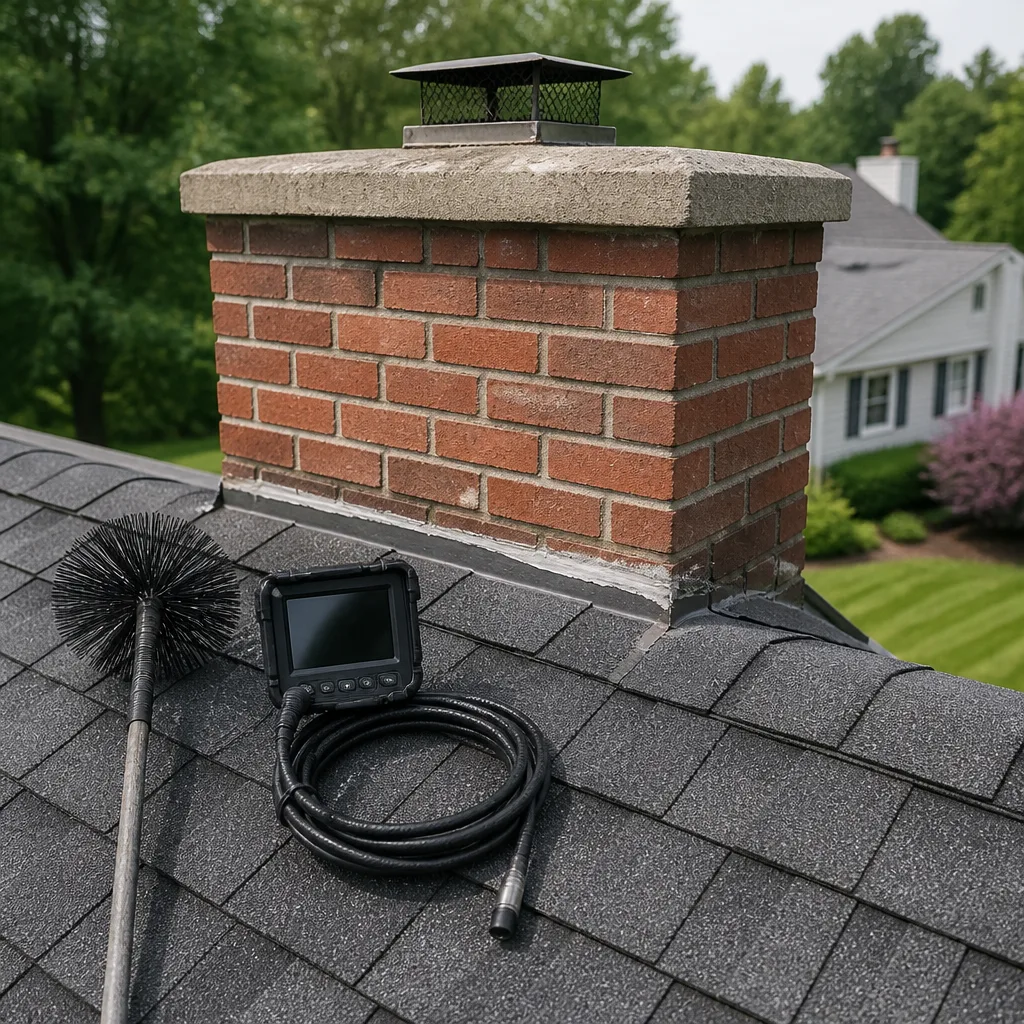 Sweep & inspection
 Caps & crowns
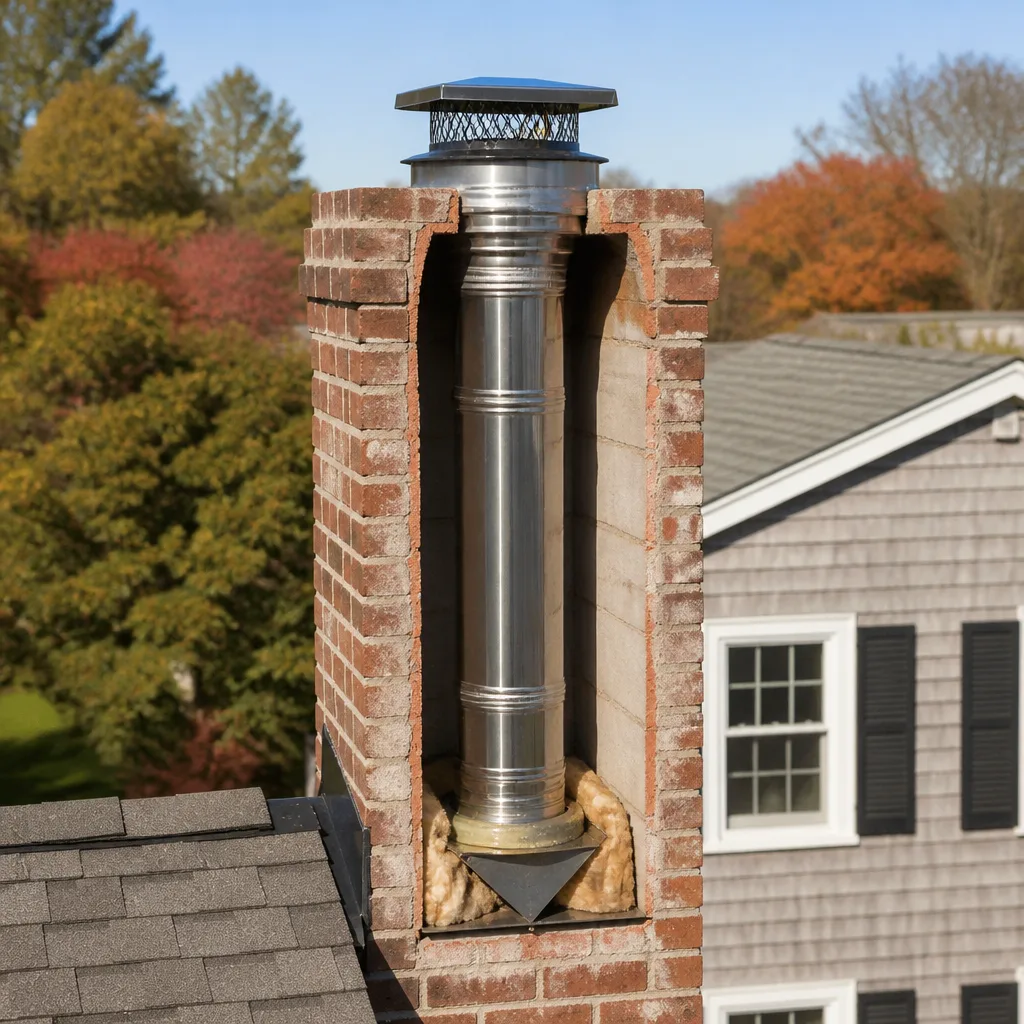 Flue relining
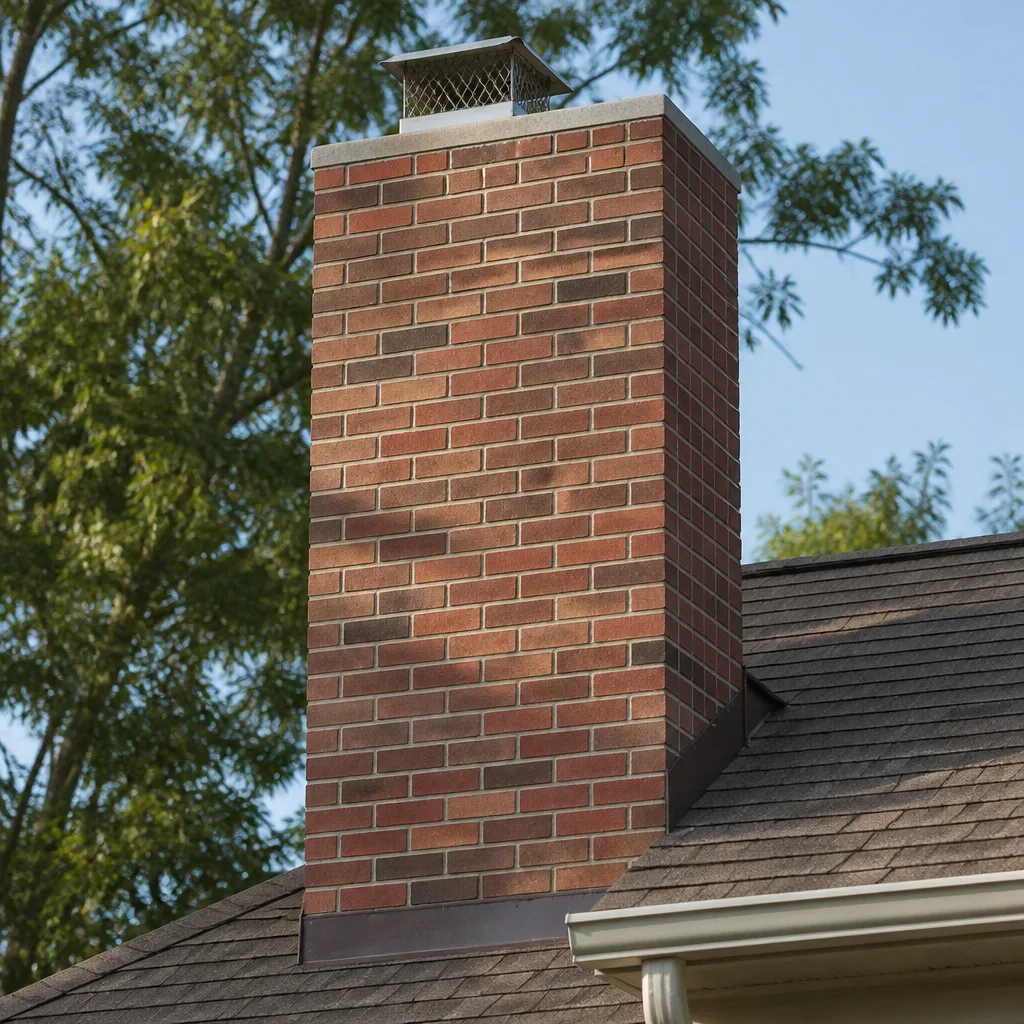 Masonry repair
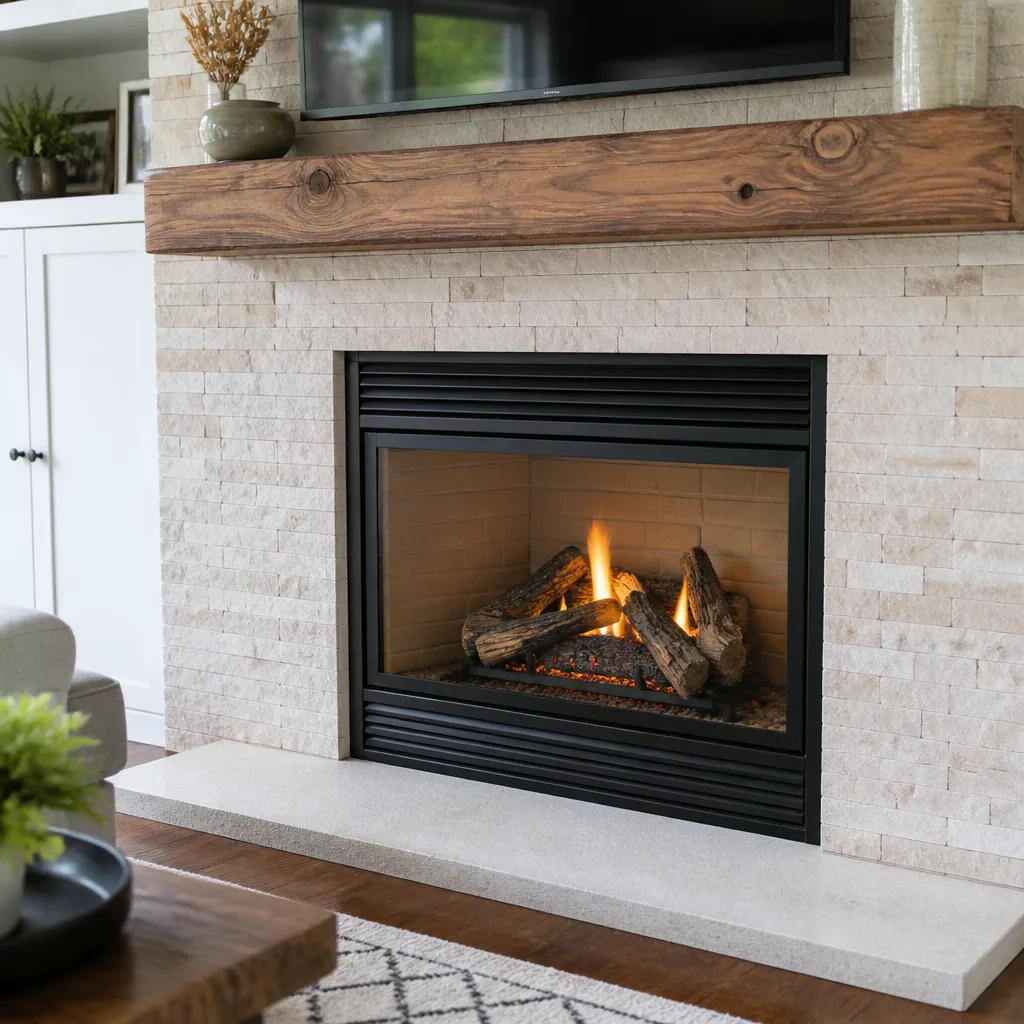 Gas fireplace service
Level 1 sweep and inspection to the NFPA 211 annual standard - flue, crown, cap, and flashing checked and photographed
Chimney sweep logs do not sweep chimneys. They loosen some creosote - which then falls where a brush and vacuum still have to collect it.
Choosing the Right Chimney Cleaning Brand: A Buyer’s Guide for Taylorsville
There’s no brand of chimney brush that will meaningfully change your life. The bristles are poly, the rods are rods, and the difference between one sweeping tool and another is not what keeps your family safe through a Taylorsville winter. What actually determines whether a repair holds for a decade or fails in two seasons is the material system behind it: the liner spec, the crown sealant chemistry, the cap gauge. Most homeowners never see those choices being made, and they find out what was installed only when something cracks, drips, or rusts through. This guide shows you how to ask the right questions and read the answers.
Quick Answer
The “brand” question in chimney cleaning matters less at the brush end than at the repair end. Professional chimney-supply brands like HeatShield, DuraFlex, Copperfield, and Gelco make liner systems, crown sealants, and caps formulated for flue conditions. Generic masonry patch products sold at hardware stores often fail within a couple of freeze-thaw cycles along the Wasatch Front. When you hire a chimney cleaning company in Taylorsville UT, ask what brands and specifications are specified for any repair, not just what they use to sweep.
Styles & brands we work with
- Sweep & inspection
- Caps & crowns
- Flue relining
- Masonry repair
- Gas fireplace service
Table of Contents
- Why the Brand Question Is Really About Materials
- What Professional Supply Channels Stock That Big-Box Stores Don’t
- Liner Systems Compared: Aluminum, Stainless, and HeatShield Resurfacing
- Crown Sealant and Parging Material Specs in Utah’s Freeze-Thaw Climate
- How to Ask a Contractor What Brand and Spec They’re Using
- The Contractor Is the Brand: Diagnostics and Sourcing Discipline
- What Actually Matters in the Sweeping Itself
- Reading Your Taylorsville Chimney in Context
Why the Brand Question Is Really About Materials
When homeowners search for a chimney cleaning company in Taylorsville UT, they usually picture a sweep and a brush. Fair enough. Routine cleaning removes creosote and soot, and the brand of brush matters very little to the outcome. The brand question becomes serious the moment the technician finds a cracked flue tile, a deteriorating crown, or a missing cap.
That moment is where material choice decides the lifespan of the repair. A flexible liner system designed for chimney service, with the correct alloy grade and a tested wall thickness, will outlast a general-purpose stainless duct repurposed for the flue. A chimney-specific elastomeric crown sealant will flex with a Utah freeze-thaw cycle; a bag of masonry patch mix will not.
We’ve seen this play out in Taylorsville homes repeatedly. The repair looks fine the first autumn. By the second spring thaw, the patch is crazed and the water is back inside the flue. The homeowner didn’t buy a bad sweep. They bought an under-specified material for a climate that punishes corners.
The takeaway is simple: judge a chimney contractor by what they specify for repairs, not what they clean with. Cleaning is a process. Repair is a material system. This guide is about the second one.
What Professional Supply Channels Stock That Big-Box Stores Don’t
Professional chimney supply channels exist because chimney components have very specific engineering demands. Flue gases are acidic, condensation is corrosive, temperatures swing, and the structure flexes. General hardware stores stock products built for general masonry, not for those conditions.
Here’s the practical difference you’ll see when you compare what a chimney-specific supplier carries against a home improvement aisle:
- Stainless liner alloy grades. Professional channels carry liner systems in grades formulated for wood, gas, and oil appliances separately. Big-box flexible duct is a single general-purpose product.
- Wall thickness tolerance. Chimney liner systems are specified to a known wall thickness. Repurposed duct may vary by the roll.
- Crown sealant chemistry. Chimney suppliers stock elastomeric sealants formulated to move with masonry. Hardware stores stock rigid masonry patch.
- Cap sizing and draft standards. Chimney-specific caps are dimensioned to flue size to allow proper draft. General-purpose caps are sized approximately.
- Insulation blankets and wrap systems. Professional suppliers carry liner insulation rated for exterior chimneys. Retail channels typically don’t.
We specify products only from dedicated chimney-industry brands – DuraFlex, HeatShield, Gelco, Olympia Chimney, Famco, and Copperfield – because the specification data exists for those systems. When a liner is installed and inspected by the manufacturer’s protocol, the homeowner knows what was installed, not just that something was installed. That documentation trail has real value if you ever sell the home or need a warranty claim.
Liner Systems Compared: Aluminum, Stainless, and HeatShield Resurfacing
Not every damaged flue needs a new liner. That single sentence is the most important line in this guide. The correct repair depends on what the flue looks like inside, what fuel you burn, and how much of the original clay tile remains intact.
The three broad options, with their typical application:
- Aluminum flexible liner. Used almost exclusively for gas appliances in modern installations. Light, inexpensive, and suitable for the lower-temperature, lower-corrosion conditions of a gas insert or furnace flue. Not appropriate for wood-burning appliances.
- Stainless steel flexible liner. The workhorse for wood and oil appliances. DuraFlex flexible liner systems are engineered to navigate older Taylorsville flues with offset or non-standard runs that a rigid liner cannot pass. Alloy grade matters: heavier grades handle wood-fired acidity better than lighter ones.
- HeatShield ceramic resurfacing. A proprietary ceramic product applied by trained technicians. Where the original clay liner is cracked but the tile structure is otherwise sound, HeatShield can restore a structurally sound flue surface without a full reline. It’s typically less expensive than full relining and preserves flue dimensions.
Which is right for your home? That’s a diagnosis, not a guess. Our technicians have up to 9 years of experience reading flue interiors with a camera, and that’s where the answer comes from. HeatShield resurfacing is a suitable fit for a specific subset of liners; using it where a full reline is warranted would be a mistake, and so would the reverse. The camera decides.
If you’re being told a liner is needed, ask which of the three repair categories your flue falls into and why. A contractor who answers “we’ll reline it” without saying which material system and why is telling you something about how they work.
Crown Sealant and Parging Material Specs in Utah’s Freeze-Thaw Climate
The chimney crown is the concrete cap at the top of the chimney. It’s the piece that sheds water away from the flue and structure. When it cracks or spalls, water gets in, and water is the source of most chimney damage in this part of Utah.
Elevation and dry-then-cold winters mean crowns here cycle through freeze-thaw repeatedly. A material must flex with that movement, not resist it. That’s the entire difference between chimney-specific crown sealant and hardware-store masonry patch.
- Elastomeric chimney sealants are rubber-modified. They expand and contract with the masonry and bridge hairline cracks without pulling away.
- Rigid masonry patch sets hard. It grips the surface and then shears away when the masonry moves underneath. In a climate with repeated freezes in a single season, failure can happen within a couple of cycles.
- Parging over a repair is different from a crown seal. Parging is a thin coat applied to the flue’s exterior or crown face to close surface porosity. It uses a different mix and application than a structural crown repair.
- A full crown rebuild is warranted when the existing crown is structurally unsound – badly spalled, cracked through, or improperly sloped. A polymer-modified crown mix is used on site.
Ask a contractor which class of product they plan to use for a crown repair: a chimney-specific elastomeric, a polymer-modified crown mix, or a hardware-store patch. If the third answer comes back, you know what’s coming in two winters.
How to Ask a Contractor What Brand and Spec They’re Using
This is where the buyer’s-guide question becomes a script. The right questions take a contractor two minutes to answer if the materials are specified. A vague answer tells you something important.
Here’s the sequence we suggest, in order:
- “Which liner system are you specifying for my flue, and what alloy grade?” Expect a brand name and a material grade. For a wood-burning flue, that should be stainless with a stated grade. Vague answers like “the good stuff” or “same as everyone uses” are a red flag.
- “What crown material will you use, and is it elastomeric or rigid masonry?” The right answer for a crown seal in Taylorsville is a flexible chimney-specific sealant.
- “Will the repair include a written spec I can keep?” A professional installation includes documentation of the product and process. Ask for it.
- “Is the cap sized to my flue, or are you cutting down a general-purpose cap?” Gamco and Copperfield make caps sized to actual flue dimensions for proper draft. Generic caps restrict or leak.
- “What will the inspection show me before we agree on any work?” The answer should include a camera inspection and a report the homeowner sees.
- “Is the work covered in a written estimate I receive before booking?” Every job should be priced in writing before it starts.
The pattern matters more than any single answer. A contractor who can name brand and spec without hesitation has a sourcing process. A contractor who deflects to “trust us” has a sourcing shortcut.
The Contractor Is the Brand: Diagnostics and Sourcing Discipline
Two contractors can use the same liner system and get different results. The material is only half the story. The diagnostic process and the sourcing discipline are the other half, and in most cases they’re the half homeowners never inspect.
Diagnostic process means: a camera inspection of the flue interior, a real evaluation of the firebox and damper, a look at the crown and cap from the roof, a check for creosote thickness at the smoke chamber, and photos the homeowner sees before any recommendation is made. If the recommendation is “reline,” the photos show why. If the recommendation is “wait,” the photos show why that’s a safe call too.
Sourcing discipline means: any repair uses a product specified for chimney applications by a maker who publishes specification data. Not a repurposed duct, not a general masonry patch. When you commit to a roster like DuraFlex, HeatShield, Gelco, Olympia Chimney, Famco, and Copperfield, you can’t hide behind general-purpose substitutes.
This is the framing we work from. The brand on the brush matters very little. The contractor behind the diagnosis and material spec matters a lot. When you need a chimney sweep, look for the diagnostic process. When you need a chimney repair, look for the sourcing discipline.
What Actually Matters in the Sweeping Itself
Standard chimney sweeping – the routine annual sweep – is a process rather than a product. The variables that matter are method, access, and what the sweep checks while it’s in there.
- Rotary or rod-and-brush? Either can work. What matters is that the brush is matched to flue size and type, and that the technician works the full run, not just the accessible top portion.
- Creosote staging. Third-degree, glazed creosote requires a chemical treatment or a professional rotary method, not a standard brush pass. The sweep should identify stage and note it.
- Debris removal from the smoke shelf and firebox. Sweeping without vacuuming the firebox and smoke chamber is a partial job.
- Inspection accompanying the sweep. A sweep without an inspection is a cleaning, not a maintenance visit. What you want, especially in a house burning wood through a Taylorsville winter, is both.
We schedule annual chimney sweep visits that cover the sweep plus a level-one visual inspection, so any change in the flue is caught before it develops into a liner or crown problem. The cleaning is not the whole value of the visit. The evaluation is.
Reading Your Taylorsville Chimney in Context
Chimney conditions here have a lot to do with housing stock and the fuel mix. The Salt Lake Valley’s older neighborhoods are full of homes from the mid-20th century where original clay tile liners have been in service through decades of freeze-thaw cycles. Many were built with masonry chimneys sized for fireplaces that have since been converted to gas inserts or replaced entirely, which introduces a mismatch between flue size and appliance.
That mismatch matters for materials. A flue sized for a large wood-burning fireplace but now serving a small gas insert runs cold, and cold flues accumulate corrosive condensation. That’s a case where an aluminum liner to match the appliance or a properly sized stainless run will perform better than leaving the original clay. It’s also a case where a general-purpose flexible duct from a hardware store will fail fast.
Winter here also produces sharp thermal swings. A flue heated by a morning fire and then cold again by afternoon condenses on the inside, and the crown cycles at the top. Crown sealants that are flexible and chimney-specific are chosen for exactly this environment. Rigid masonry patch is chosen by contractors who don’t know the difference, and it fails accordingly.
Ask about your home’s specific configuration when you call. Flue size, appliance type, and roof exposure all push the material choice in different directions, and there’s no single answer for every Taylorsville chimney.
Common Mistakes to Avoid
- Judging a contractor by the price of the sweep only. The sweep is the entry point. What matters is what they find, how they diagnose it, and what spec they use to fix it.
- Accepting a “reline” without knowing the product. Always ask which liner system, which alloy, and why it’s the right match for your flue. A vague answer is a material shortcut waiting to happen.
- Using hardware-store masonry patch on a crown. Rigid patch on a flexible masonry crown in a freeze-thaw climate like Taylorsville will fail faster than it takes to notice.
- Skipping the inspection because the sweep “looks fine.” A clean-looking firebox can sit on top of a cracked flue. The sweep is the cleaning; the inspection is the safety check.
- Repairing a damaged liner with resurfacing when relining is warranted, or the reverse. HeatShield ceramic resurfacing is right for some flues. It is not right for every flue. Only a camera diagnosis tells you which.
- Oversizing or undersizing a cap to save a few dollars. A cap that doesn’t match flue dimensions will interfere with draft or leak at the seal. It’s not a cosmetic part.
- Ignoring a missing or damaged cap through a winter. Water and animals get in through an open flue, and both do damage that costs more than a cap does.
See the difference
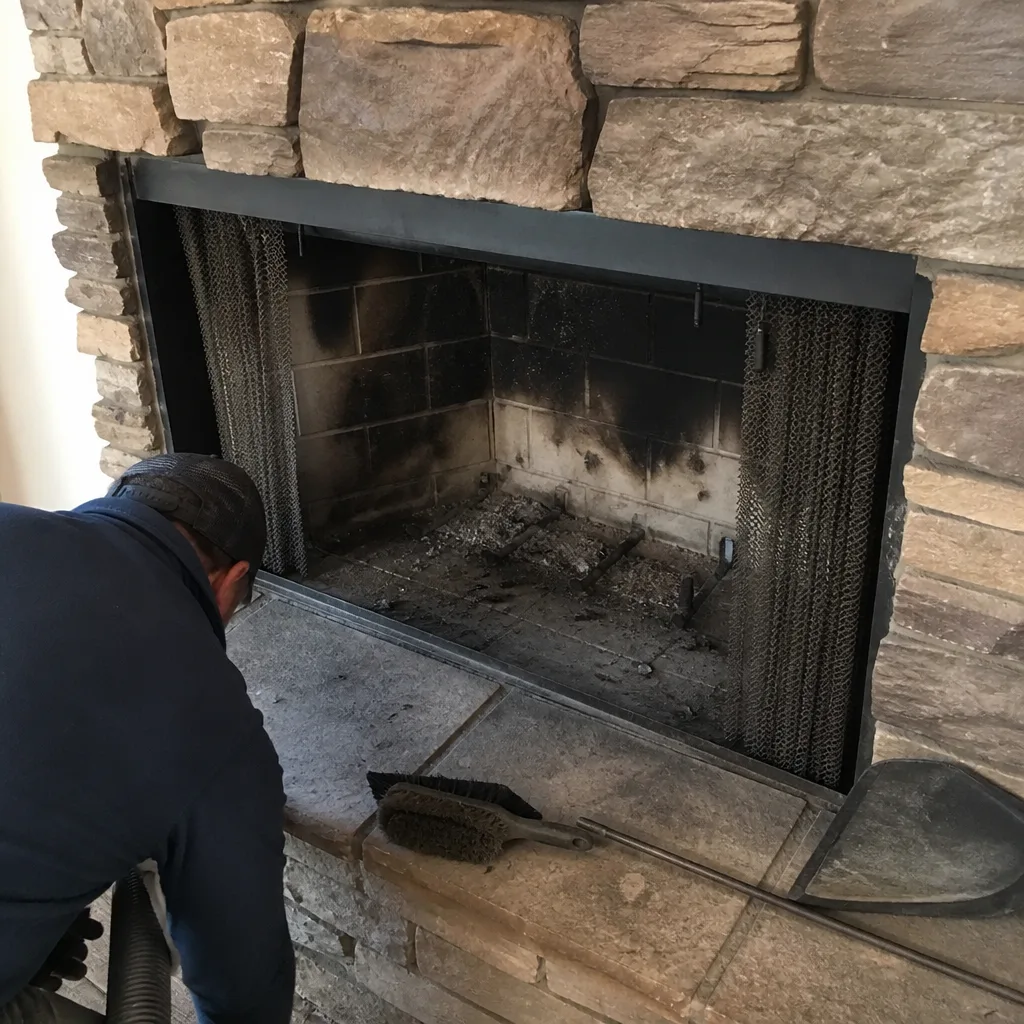 Before
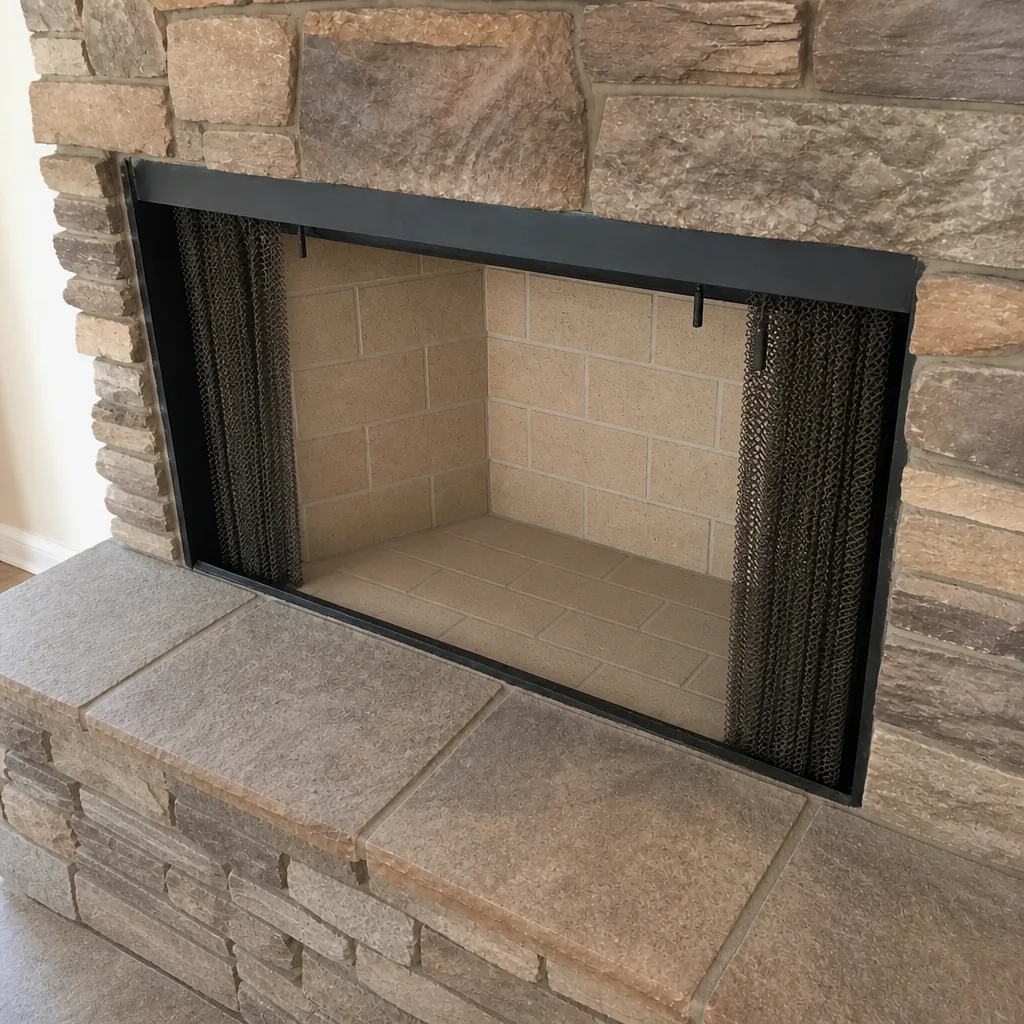 After
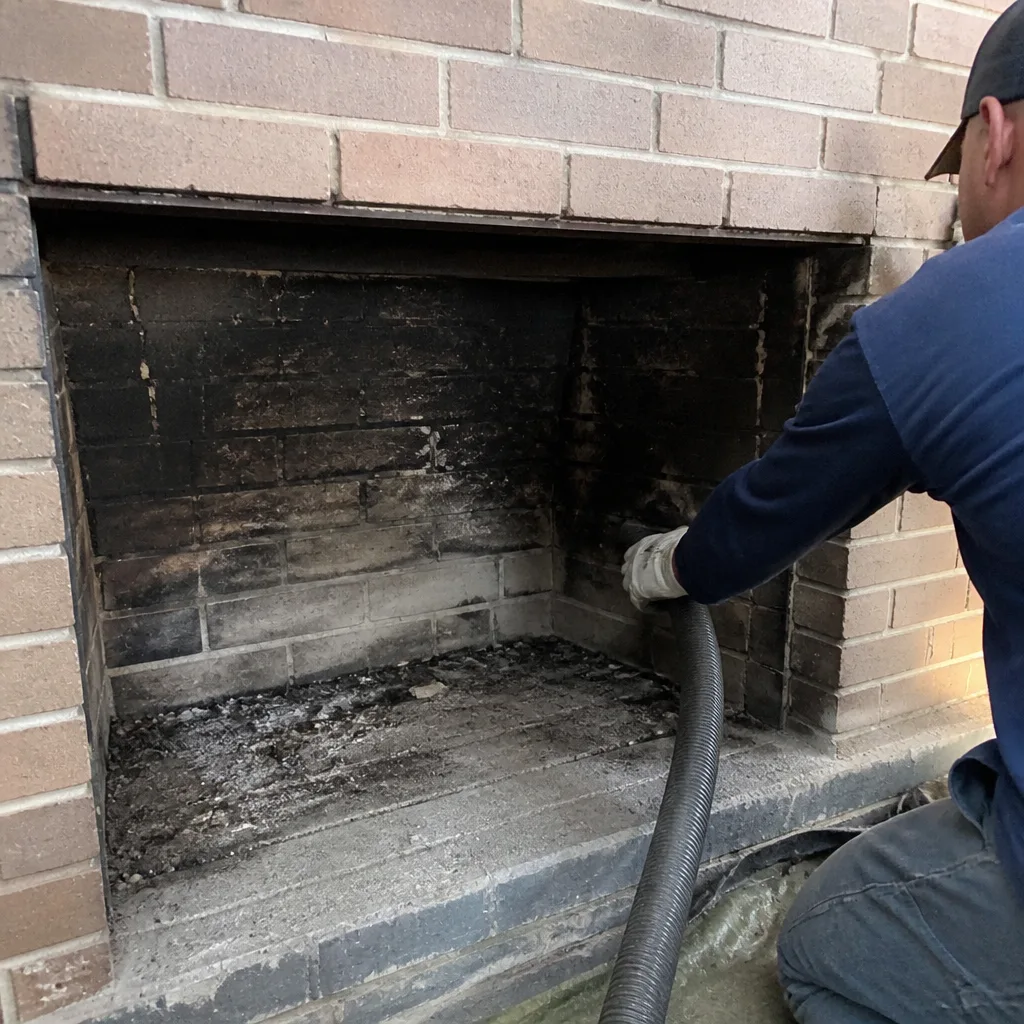 Before
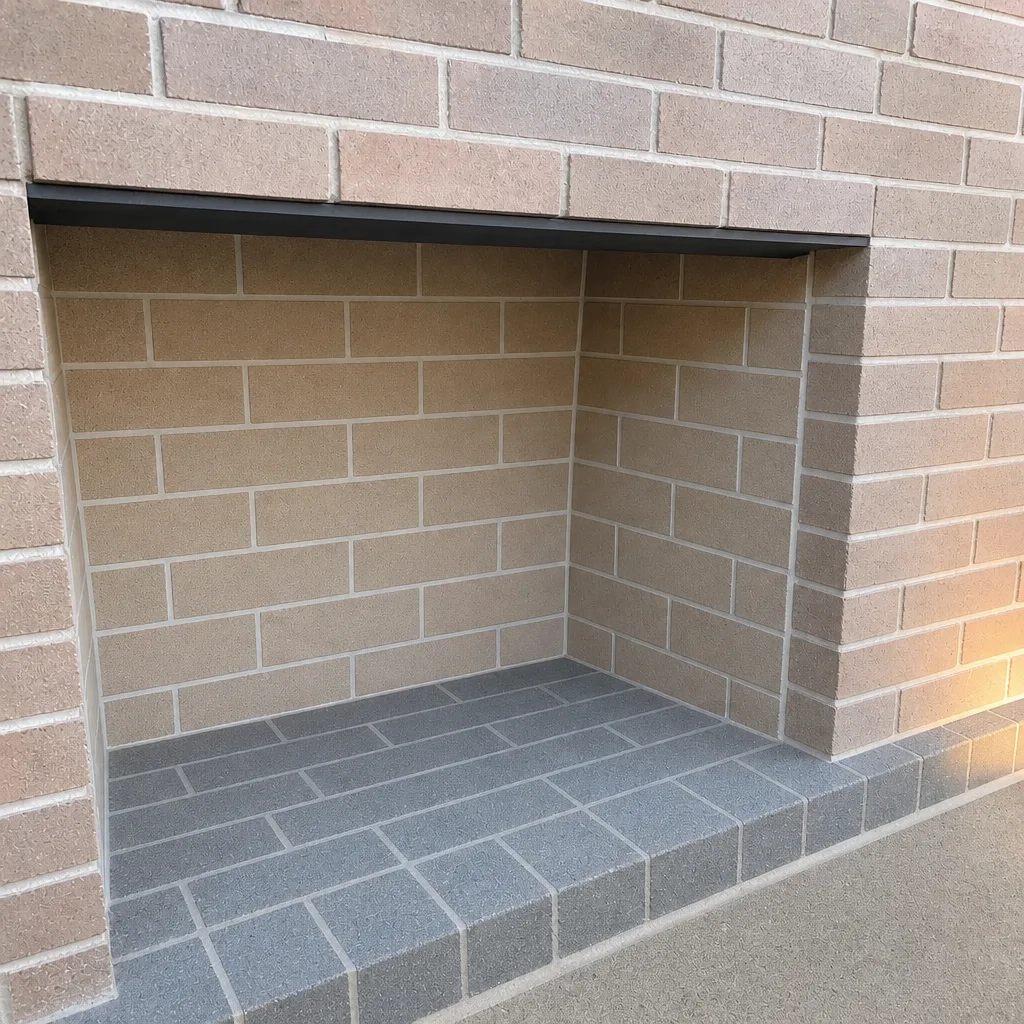 After
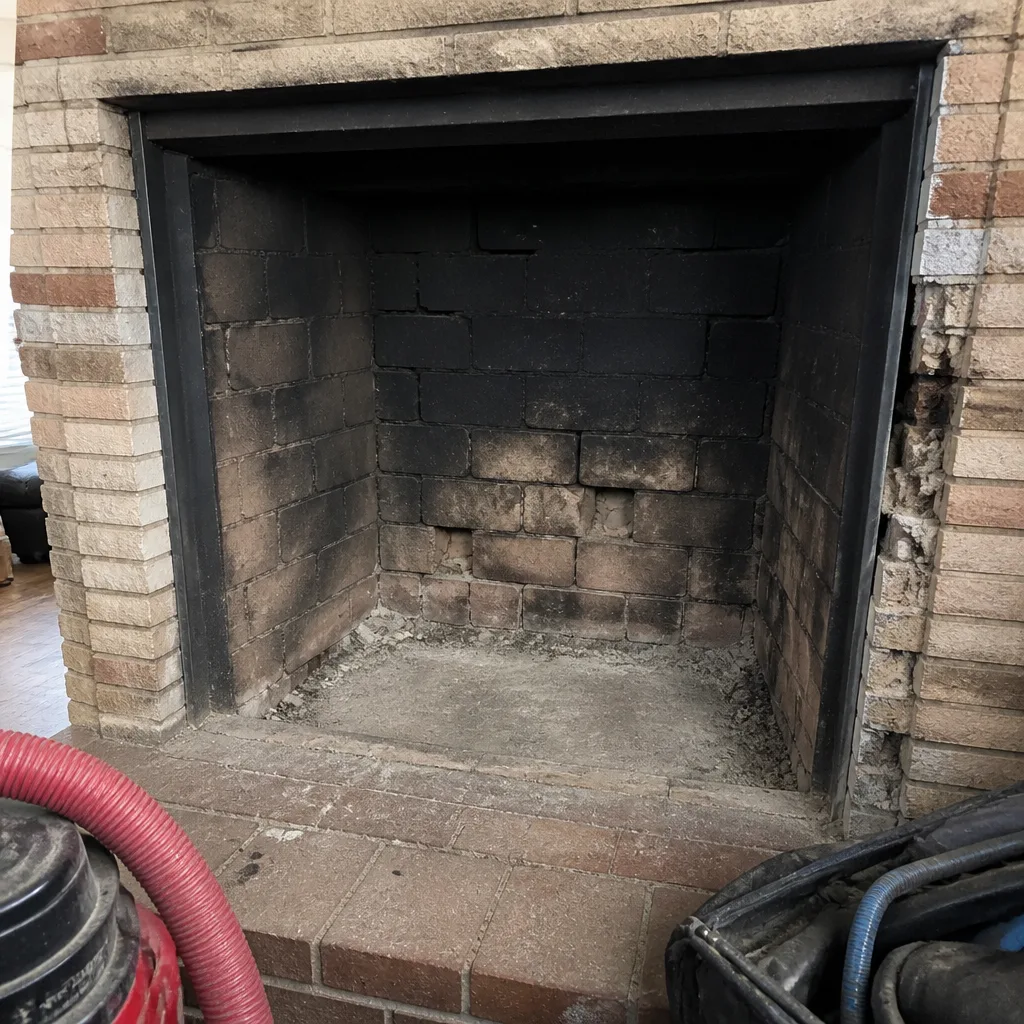 Before
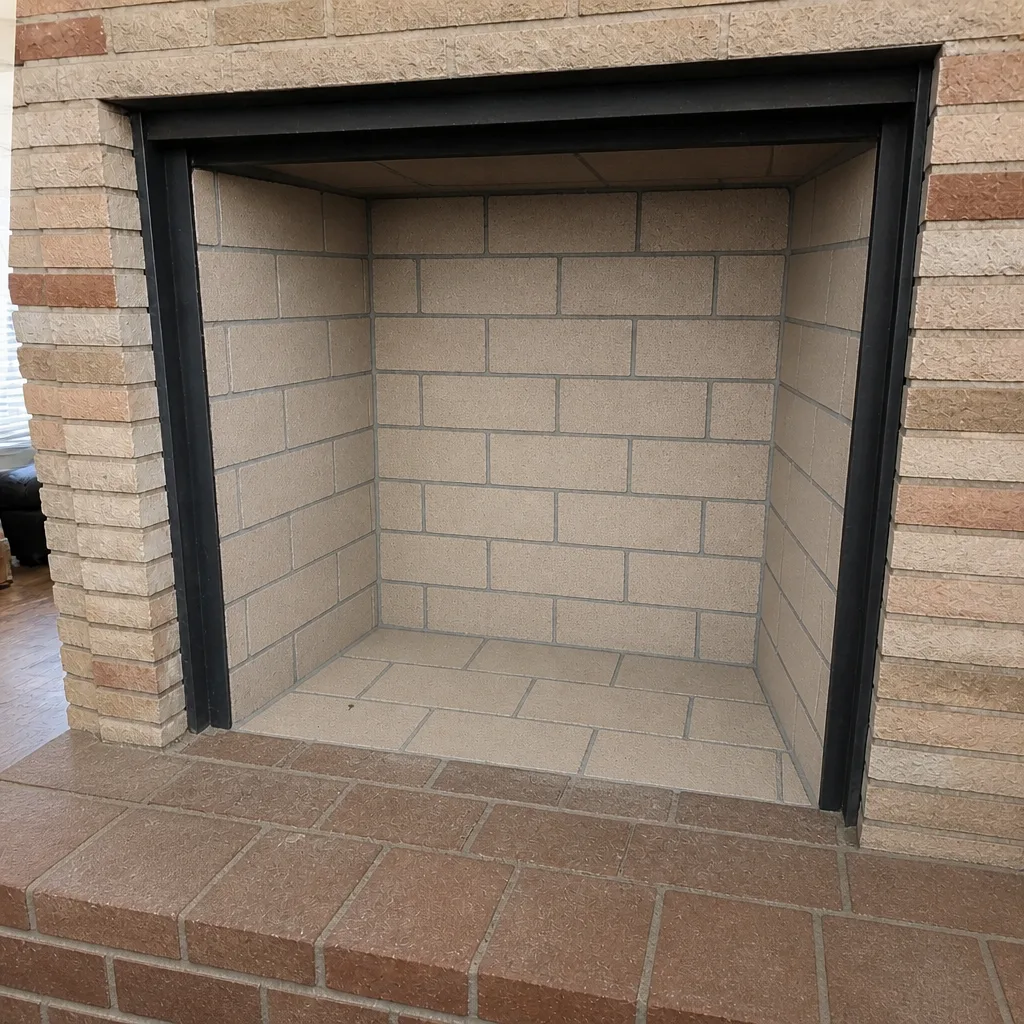 After
When to Call a Professional
Call a professional chimney technician when you notice a cracked or spalled crown, rust at the damper, water staining in the firebox, a missing or damaged cap, or creosote buildup past a quarter-inch. Call immediately if you smell gas from a gas appliance, notice smoke spilling into the room, or see signs of a chimney fire. Structural flue work, liner replacement, and crown work are not homeowner projects – they involve heights, fire-safety codes, and material systems with a specific installation method.
Taylorsville Chimney Sweep provides Taylorsville Chimney Sweep services across sweeping, inspection, chimney repair, fireplace repair, and cap and crown installation, with a full-lifecycle scope on a single structure. Free estimates in Taylorsville – call (833) 513-8777. We answer 24/7. Fast dispatch from 7am to 7pm, Sunday through Friday.
Frequently Asked Questions
Not much. The brush is a fit-for-flue-size tool, not a material system, and most professional brushes perform similarly. What matters more is whether the sweep accompanies the cleaning with a camera inspection, and what brand of liner or crown material is specified if a repair turns out to be needed. Ask about materials on the repair side, not the sweep side.
Rubberized, chimney-specific crown sealant is the right choice along the Wasatch Front. Elevation, dry winters, and repeated freeze-thaw means masonry crowns move, and a sealant must flex with that movement. Rigid masonry patch shears away when the crown cycles. A chimney sealant designed for masonry movement will hold through multiple seasons where a general patch won’t.
HeatShield ceramic resurfacing is appropriate when the original clay tile is cracked but the tile structure is otherwise intact. It rebuilds the flue surface without a full liner, and it can be a lower-cost solution that preserves the existing flue dimensions. When tiles are missing, misaligned, or too damaged to support a resurfaced liner, a full stainless reline is the correct path. A camera inspection and a specified repair plan are the only way to know which applies to your flue.
Hardware-store flexible duct is general-purpose and not specified for flue-gas acidity, condensation, or the temperature swings that chimney flues run through. Chimney liner systems like the DuraFlex line are engineered with defined alloy grades and wall thickness for specific fuels and flue conditions. Using a general-purpose duct as a liner may not meet the appliance manufacturer’s installation requirements and may fail faster than a purpose-built system.
Ask for the brand, the specification, and a written estimate that names the product before booking. A contractor working from professional chimney-supply channels will name the system without hesitation. Ask for the camera inspection photos that justify the product choice, and read the estimate carefully. If the material isn’t named, the placement isn’t documented.
It’s safer not to. An open flue lets water, animals, and debris in, and water is the source of most chimney damage. A properly sized cap from a chimney-specific brand protects the flue and preserves draft. A generic cap sized approximately can interfere with the very draft it’s supposed to serve. The repair is generally modest in cost compared with what water intrusion causes.
The Bottom Line
Chimney cleaning brushes are not where the brand question lives. The brand question lives in the materials a contractor specifies for the repair: a DuraFlex liner system matched to your flue and fuel, HeatShield resurfacing where the tiles support it, a chimney-specific elastomeric crown sealant instead of hardware-store patch, and a cap sized to your actual flue dimensions. Ask which product, which grade, and why. A contractor who can answer without hesitation has a sourcing process you can trust. A contractor who can’t is telling you what kind of repair you’re likely to get.
Written by the team at Taylorsville Chimney Sweep.