
Last updated November 24, 2026
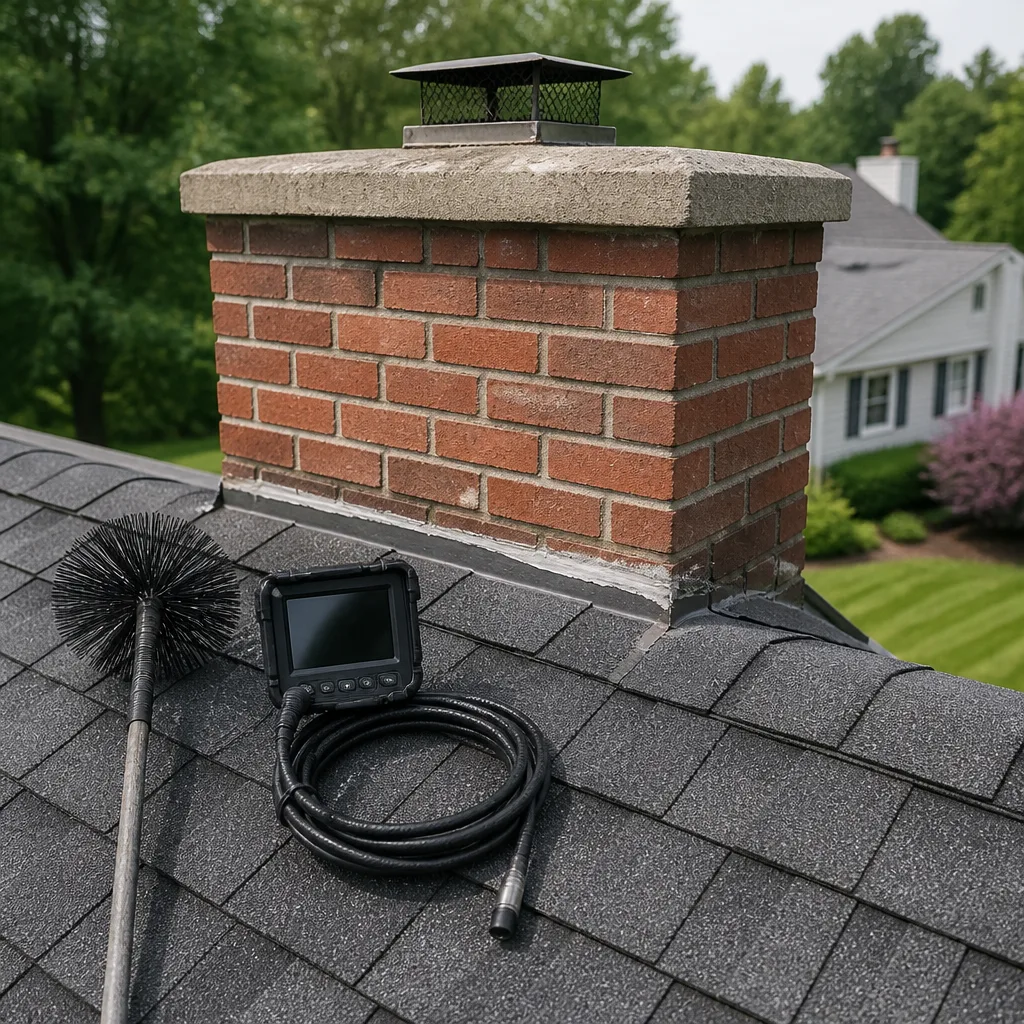 Sweep & inspection
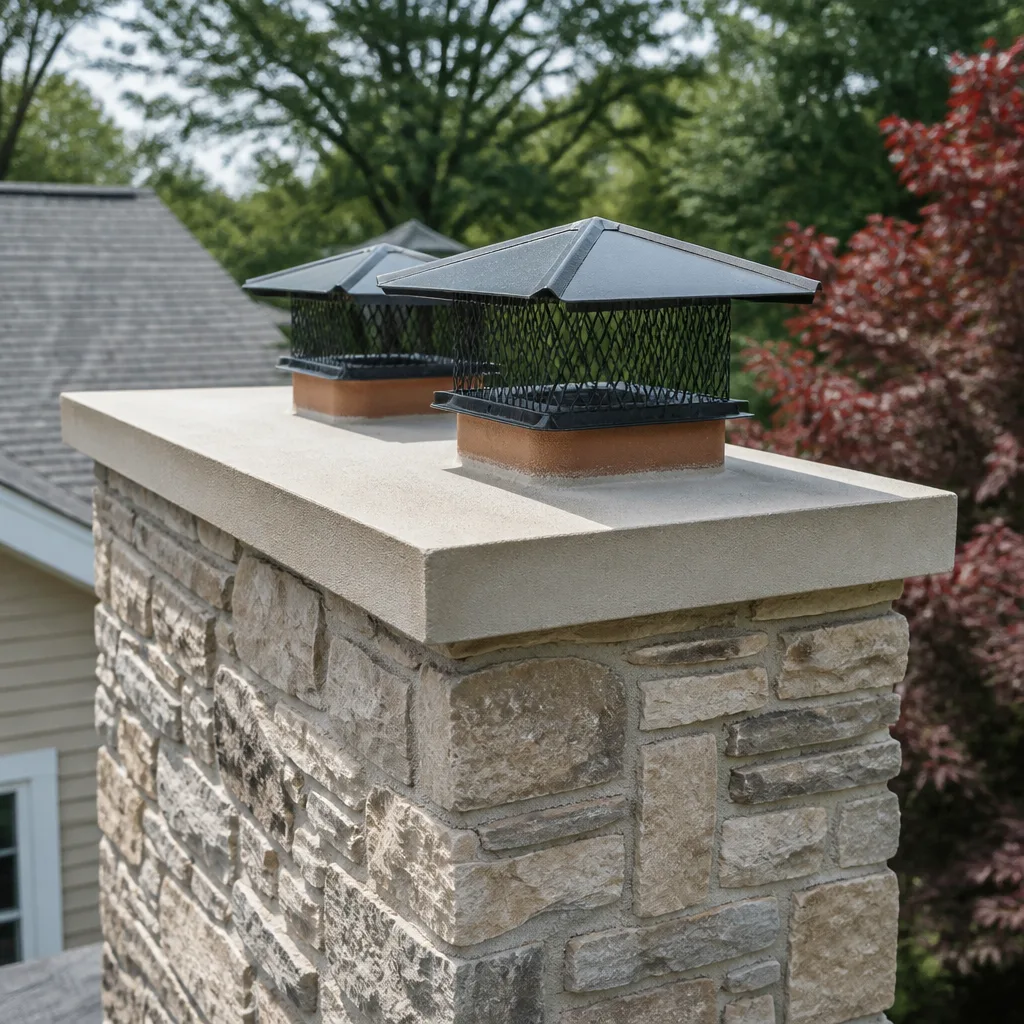 Caps & crowns
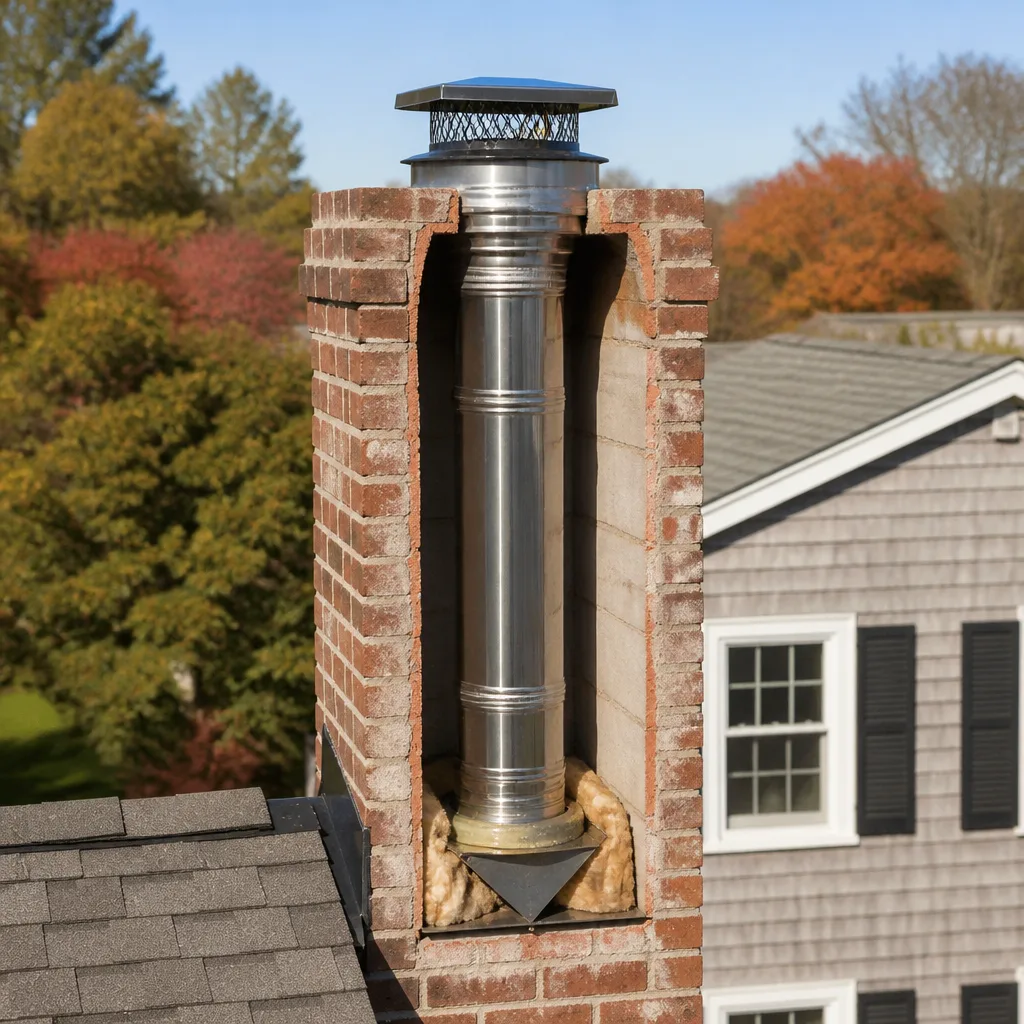 Flue relining
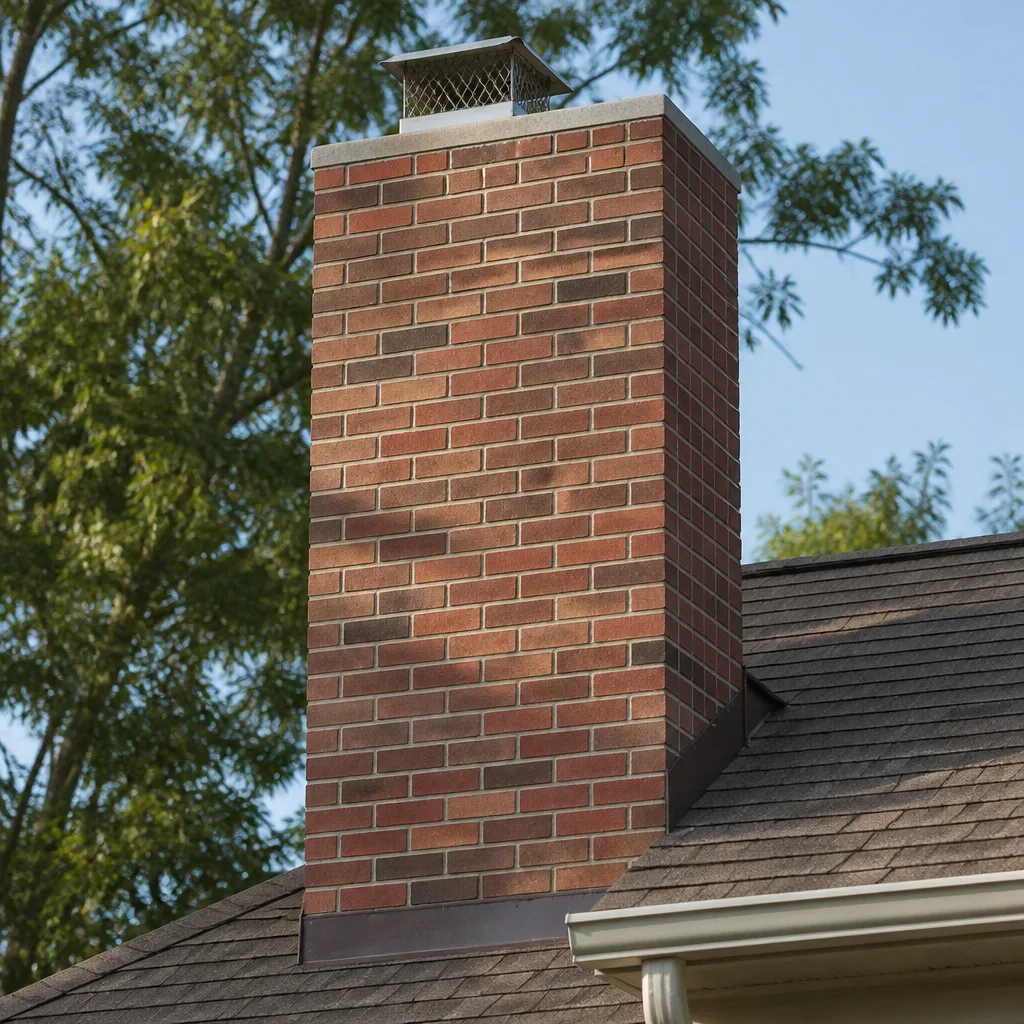 Masonry repair
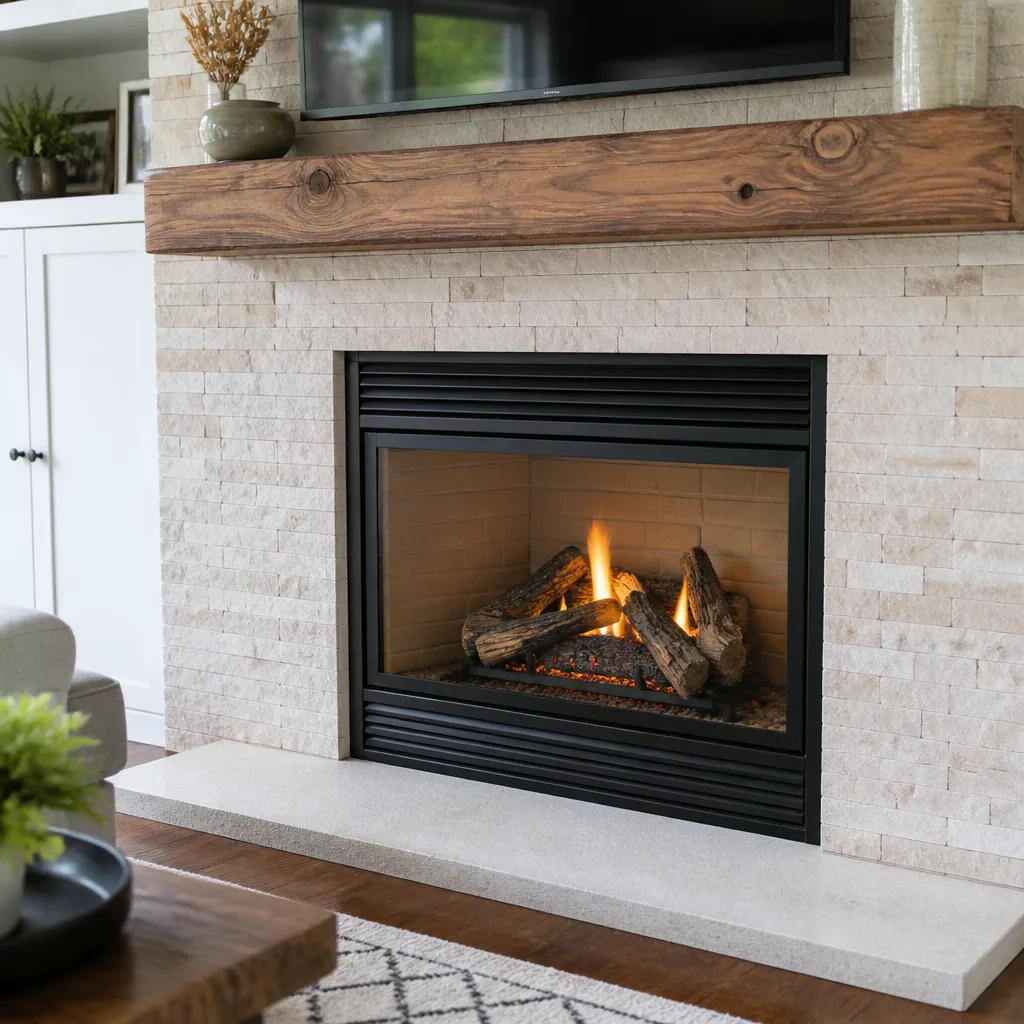 Gas fireplace service
Level 1 sweep and inspection to the NFPA 211 annual standard - flue, crown, cap, and flashing checked and photographed
Chimney sweep logs do not sweep chimneys. They loosen some creosote - which then falls where a brush and vacuum still have to collect it.
The Complete Guide to Chimney Cleaning in Taylorsville
Most homeowners think of chimney cleaning as one task: a brush goes up, soot comes down, done. That view misses what actually makes a sweep worth doing. Cleaning is the first layer of a three-part process, and the order matters more than the brush itself. Get the sequence wrong and the inspection that follows is reading through a dirty lens, which is exactly how cracks, gaps, and early creosote glazing slip past a quick look. This guide walks through the process the way a professional works it, step by step, so you know what you’re paying for and why each stage exists. We’ll cover creosote stages, what rotary systems remove that hand brushes don’t, and how a Taylorsville winter changes the picture.
Quick Answer
Chimney cleaning in Taylorsville is a sequence, not a single errand: a thorough sweep first, a camera-assisted inspection second, and an honest assessment of what the evidence shows third. Skipping or reordering those steps is the most common reason a chimney problem goes unnoticed. Most wood-burning chimneys need attention once a year, and the written report you receive after the visit is your record of what was found and what, if anything, needs doing next.
Styles & brands we work with
- Sweep & inspection
- Caps & crowns
- Flue relining
- Masonry repair
- Gas fireplace service
Table of Contents
- Why Sweeping Must Come Before Inspection
- Creosote Stages and Taylorsville Winters
- What Rotary Cleaning Removes That Hand Brushes Leave Behind
- How a Professional Sweep Actually Runs, Step by Step
- How a Full-Lifecycle Specialist Reads Your Chimney
- The Documentation You Should Get After Every Cleaning
- How Often Does a Taylorsville Chimney Need Cleaning?
- What Chimney Cleaning Costs in Taylorsville
Why Sweeping Must Come Before Inspection
An inspection performed before the flue is clean is a partial inspection. Soot, ash, and creosote deposits sit on the very surfaces an inspector needs to see, and they hide the defects that matter most: hairline cracks in terra cotta tiles, failed mortar joints, gaps at the smoke chamber transition. The CSIA has long pointed out that incomplete debris removal before inspection is one of the most common reasons chimney problems get missed entirely. That single fact reshapes how the whole visit should be scheduled.
Think about what an inspector is actually looking for. A crack in a flue tile may be a quarter-inch wide and barely visible under a coat of black creosote. A gap where the liner meets the smoke chamber can be completely obscured by a shelf of soot. Camera work makes it worse, not better: a dirty flue produces a dirty image, and a dirty image is a defective diagnostic tool. The sequence protects the inspection, not the other way around.
So the correct order for any chimney service visit is fixed:
- Sweep first. Remove the loose and bonded deposits from the flue, firebox, smoke shelf, and smoke chamber.
- Inspect second. With the surfaces exposed, run a camera-assisted inspection of the flue, crown, cap, and all accessible components.
- Assess third. Compare what the camera shows against what the chimney is supposed to do, then explain the findings and the options.
When a contractor reverses that order, the homeowner pays for an inspection that couldn’t see past the residue. It’s the equivalent of reading an X-ray through a smudged lens. In our experience, this is the single biggest gap between a cheap sweep and a proper one, and it has nothing to do with how hard the technician scrubs.
Creosote Stages and Taylorsville Winters
Creosote is the residue left behind when wood smoke cools before it exits the flue. It doesn’t form all at once, and it doesn’t stay in one state. Professionals describe it in three stages, and each stage calls for a different cleaning approach.
Stage 1: Soot and Flaky Creosote
This is the light, dusty, flaky deposit that accumulates on the flue walls during normal burning. It brushes off with standard tools and poses the least risk. Stage 1 is what most homeowners picture when they think about chimney cleaning, and it’s what a routine annual sweep is designed to remove.
Stage 2: Glazed, Crusty Creosote
Stage 2 is where things get interesting. As deposits build up and get repeatedly heated, they fuse into a hardened, crusty layer that clings to the flue tiles. Standard brushes skid across it. Removing Stage 2 takes rotation, mechanical action, and sometimes chemical treatment before the surface will yield. This is also the stage most associated with chimney fire risk, and it’s the one that builds fastest in chimneys that run cool or burn unseasoned wood.
Stage 3: Glazed, Tar-Like Creosote
Stage 3 is a dense, baked-on glaze that looks almost like varnish. It’s the hardest to remove, and it’s a strong signal the chimney has been running inefficiently or under-restricted draft. Stage 3 usually calls for rotary equipment and, if it can’t be safely removed, a professional conversation about what the flue can and can’t handle going forward.
Why Taylorsville Winters Push Creosote Faster
Taylorsville sits in a bowl, and that bowl traps cold air in the valley during winter. Inversions hold that cold air in place, and the effect on a chimney is real: a colder exterior makes it harder for the flue to warm up and hold temperature, so smoke cools more quickly on the way out. Cooler smoke deposits more creosote. That’s the mechanism behind Stage 2 buildup accelerating in wood-burning systems here compared to a milder or higher-elevation climate. Homeowners who burn through the colder months will often see Stage 2 deposits form in a single season of heavy use, especially if the wood isn’t fully seasoned.
The practical takeaway is straightforward: a Taylorsville wood-burning chimney benefits from a sweep on a consistent annual schedule rather than waiting until the firebox looks messy. Waiting a second season gives Stage 2 deposits more time to harden into Stage 3.
What Rotary Cleaning Removes That Hand Brushes Leave Behind
A standard brush-and-rod setup is a good tool with real limits. The brush follows the flue, contacts the high points, and knocks loose the deposits it can reach. What it can’t do is apply consistent pressure to the whole circumference of an older terra cotta flue. Aged tiles often have pitted surfaces, spalled edges, and uneven mortar joints where deposits collect in ways a round brush doesn’t fully address. The brush passes over the pits, and the deposits stay.
Professional rotary cleaning systems work differently. A rotating head driven by a flexible rod system mechanically scrubs the full flue surface as it moves, so the cleaning action covers the pits, joints, and corners a hand brush misses. That difference matters most in older Taylorsville homes, where the original terra cotta liners have had decades to develop irregular surfaces. The result isn’t just a cleaner flue; it’s a flue that’s clean enough for the inspection to actually work.
What rotary systems tend to reach that brushes leave behind:
- Deposits packed into pitted or spalled terra cotta tile surfaces
- Stage 2 glazed creosote bonded to the flue walls
- Residue in uneven mortar joints and offset flue transitions
- Soot shelf deposits at the smoke chamber transition
For chimneys with off-set or non-standard flues, a flexible rod and head combination also navigates corners and shifts that a rigid setup can’t follow. The rotary equipment is part of why an older home gets a genuinely clean flue rather than a lightly dusted one.
How a Professional Sweep Actually Runs, Step by Step
A professional sweep follows a predictable sequence. Knowing the steps helps you evaluate whether the visit you’re paying for is complete, and it removes the guesswork about what “cleaning” includes.
- Protect the room. Drop cloths and a containment setup go down around the hearth before any equipment comes in. Ash and soot travel.
- Inspect the firebox and smoke shelf. Before anything is brushed, the technician checks the firebox, damper, smoke shelf, and the visible flue throat for loose debris and obvious damage.
- Sweep the firebox and smoke chamber. Loose ash and deposits come out from the bottom up, so nothing removed from the flue lands on an already-cleaned surface.
- Sweep the flue. Rotary or brush equipment runs the full height of the flue from the top down or bottom up depending on access, and the technician repeats passes until the flue surfaces are clean.
- Remove and contain debris. Everything swept out is bagged and removed, not left in the firebox for the homeowner to deal with.
- Inspect. With the surfaces clean, a camera-assisted inspection of the flue, crown, cap, and accessible joints follows.
- Report. The technician walks through what the camera shows, explains the findings, and leaves written documentation of the visit.
That last step is where the difference between contractors shows up. A sweep that ends at step four is a cleaning. Steps five through seven are the part that protects the homeowner.
How a Full-Lifecycle Specialist Reads Your Chimney
A sweep-only contractor looks at one thing: the flue interior. A full-lifecycle specialist reads the whole system, because the flue is only one part of how the chimney behaves. The difference shows in what gets noticed.
Start at the top. Crown condition tells you whether water is getting into the masonry. A cracked or spalled crown lets moisture in, and moisture in a chimney is what drives freeze-thaw damage, mortar failure, and eventually liner deterioration. A loose or corroded cap does the same thing from a different angle. That’s part of why we install purpose-built caps and dampers from Famco, sized to the chimney’s dimensions and draft needs rather than improvised from generic hardware.
Then read the liner. Liner integrity is where the inspection earns its keep. Terra cotta tiles have a service life, and older flues show it in cracked joints and displaced tiles. Where a sweep-only contractor might recommend a full reline, a specialist with restoration capability can often evaluate whether damaged sections can be resurfaced instead. We install the HeatShield liner restoration system, a proprietary ceramic product that requires trained application and can restore a structurally compromised liner without pulling the whole thing. Where a full reline is genuinely needed, DuraFlex flexible liner systems handle offset and non-standard flues that rigid alternatives can’t.
Finally, read the smoke chamber. Corbeling in the smoke chamber, the transition between the firebox and the flue, affects draft and turbulence. Poorly corbeled smoke chambers cause smoke to spill into the room and contribute to creosote buildup. A specialist evaluates whether that corbeling is doing its job or whether it needs repair.
None of this shows up on a sweep-only visit, which is why a single company handling sweeping, inspection, chimney repair, fireplace repair, and cap and crown work gives cleaner answers than coordinating separate contractors for one structure. You get one assessment of the entire system, not a stack of invoices from contractors who each saw a different slice of it.
The Documentation You Should Get After Every Cleaning
Good cleaning leaves a paper trail. That trail does two things for a homeowner: it establishes a maintenance record and it creates evidence if you ever need to file an insurance claim tied to a chimney fire or smoke damage.
What a proper visit should produce:
- A written report of findings. What was found during the inspection, in plain language, with the specific locations noted (crown, flue, cap, smoke chamber).
- Camera images or video. Photos or short clips of the flue interior, crown, and cap condition. These are what let you see the evidence for yourself rather than take a recommendation on faith.
- A statement of what was cleaned and what remains. If Stage 2 or Stage 3 deposits couldn’t be fully removed, the report should say so instead of leaving it implied.
- A clear recommendation with a reason. Any suggested repair should be tied to what the camera showed, not to what’s convenient to sell.
- Date and service summary. Useful for insurance and for tracking how fast deposits build between visits.
Why this matters specifically in Utah: homeowner’s insurance carriers frequently want documentation of maintenance when a chimney-related claim is filed. A history of consistent sweeps with written records supports a claim. A gap of several years with no record weakens it. For homeowners going through the insurance process, this paperwork is often more valuable than the cleaning receipt itself.
How Often Does a Taylorsville Chimney Need Cleaning?
For wood-burning chimneys in Taylorsville, once a year is the standard answer, and it’s a reasonable baseline for most homes that burn through the winter. The real answer depends on how you burn. A house that uses the fireplace nightly from November through February will produce more creosote than one that lights a fire a few times a season. Unseasoned wood produces more than properly dried wood. A restricted or undersized flue produces more than one with good draft.
The practical rule most professionals use is a visual check every year and a full sweep when the deposit layer warrants it. With the inversion-driven creosote buildup in this valley, a failing annual check is where most Stage 2 problems start.
Gas fireplaces follow a different schedule. They don’t produce creosote the way wood does, but they still need periodic inspection for venting conditions, debris, and blockages from birds or nesting material. A gas appliance that hasn’t been inspected in several years is worth having looked at, even if it doesn’t need a sweep.
What Chimney Cleaning Costs in Taylorsville
Chimney cleaning pricing in Taylorsville typically runs on a per-job basis, and the written estimate you receive before work starts is the price you pay. The variables that move the number are the flue height, how heavy the deposit load is, and whether the visit includes just a sweep or a sweep plus inspection and camera work. A chimney with years of Stage 2 buildup will take longer than one on a regular annual schedule.
What a typical visit should cover and what each part involves:
- Sweep: Firebox, smoke shelf, smoke chamber, and full flue from bottom to top.
- Inspection: Camera-assisted review of flue, crown, cap, damper, and accessible joints.
- Debris removal: Bagged and removed, not left on site.
- Written report: Findings, photos, and any recommendation with the reason behind it.
- Estimate for any extra work: Separate from the cleaning, agreed before anything proceeds.
Watch out for a price that shows up after the work. A sweep that’s quoted as a number but ends with a surprise addition for “extra creosote removal” or “camera inspection” is a sign the original price didn’t reflect the job. The written estimate you agree to before the visit is the number that should stand.
Common Mistakes to Avoid
- Treating cleaning and inspection as separate errands. A sweep without a follow-up inspection leaves the flue clean but undiagnosed. The two belong in one visit, in that order.
- Waiting until there’s a problem to schedule a sweep. By the time a fire draws poorly or smoke backs into the room, Stage 2 or Stage 3 deposits are already in the flue. A yearly check catches it early.
- Burning green or unseasoned wood to save money. Unseasoned wood burns cooler and deposits more creosote, which is the mechanism that shortens the interval between cleanings. It’s a false economy in a valley that already traps cold air.
- Accepting a liner replacement recommendation without asking to see the camera. Any recommendation for relining should be backed by images of the damage you can look at yourself. If the camera footage isn’t offered, ask for it.
- Ignoring the crown and cap. Water damage from a cracked crown or missing cap is one of the most common paths to liner deterioration. It gets overlooked because it’s outside the flue.
- Skipping the documentation. Without a written report and photos, you have no record for insurance or for comparing one year’s findings to the next.
- Assuming a cheap brush-and-rod sweep is enough. In older Taylorsville homes with pitted terra cotta tiles, standard brushing can leave deposits behind that then get read as damage by the next inspector.
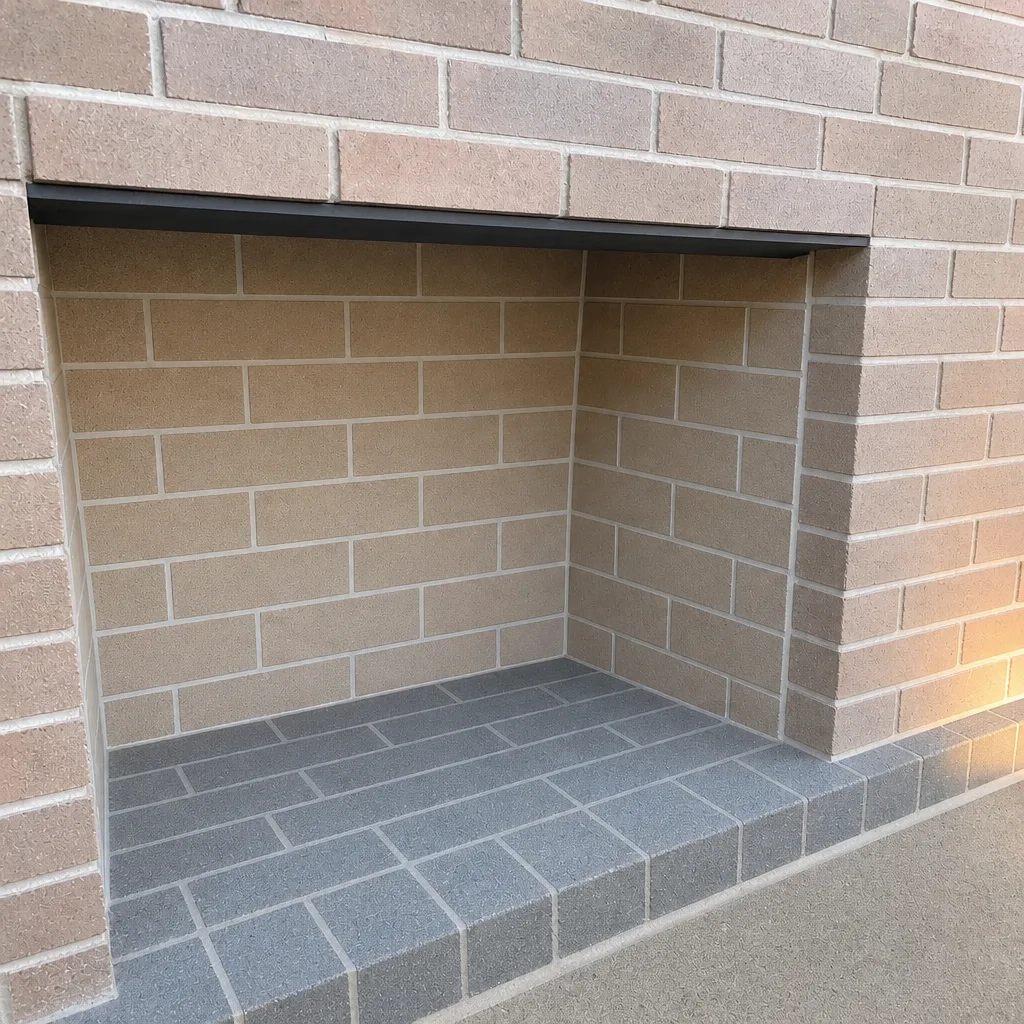
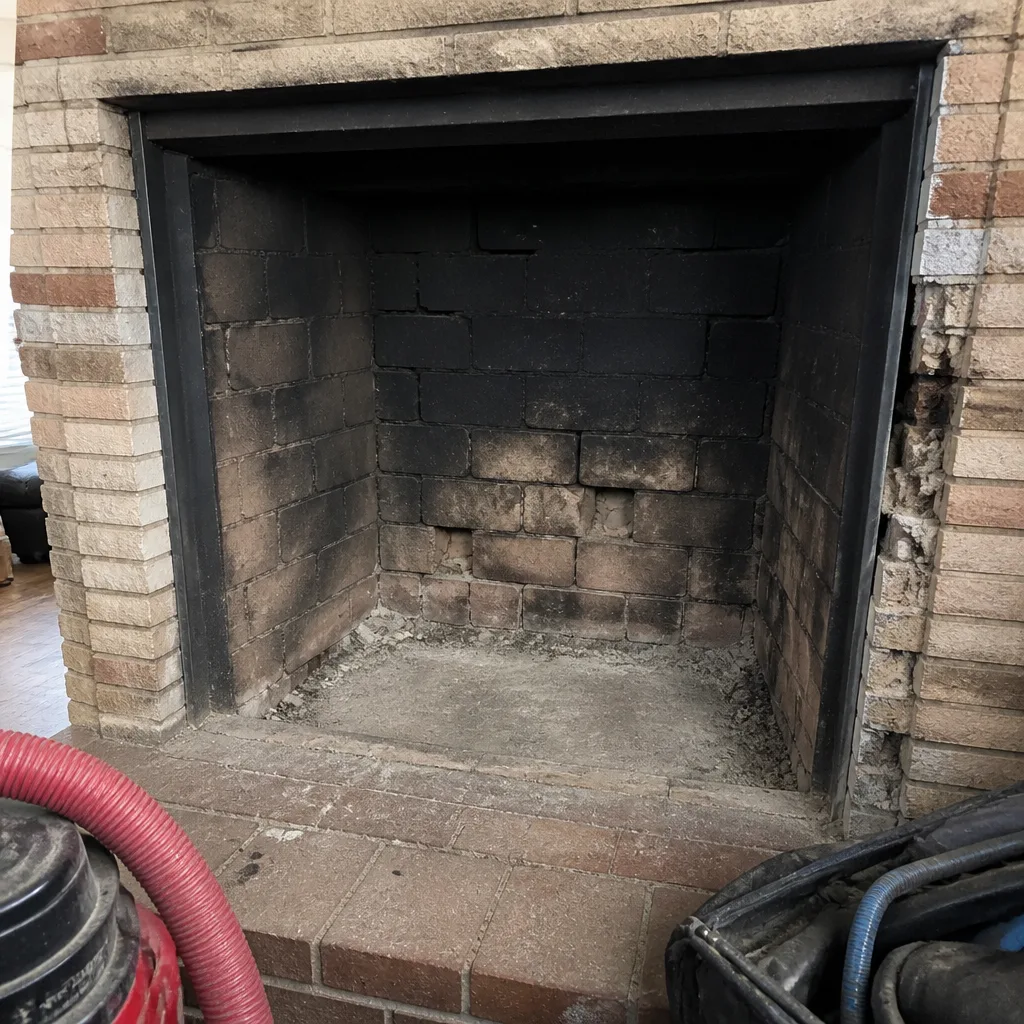
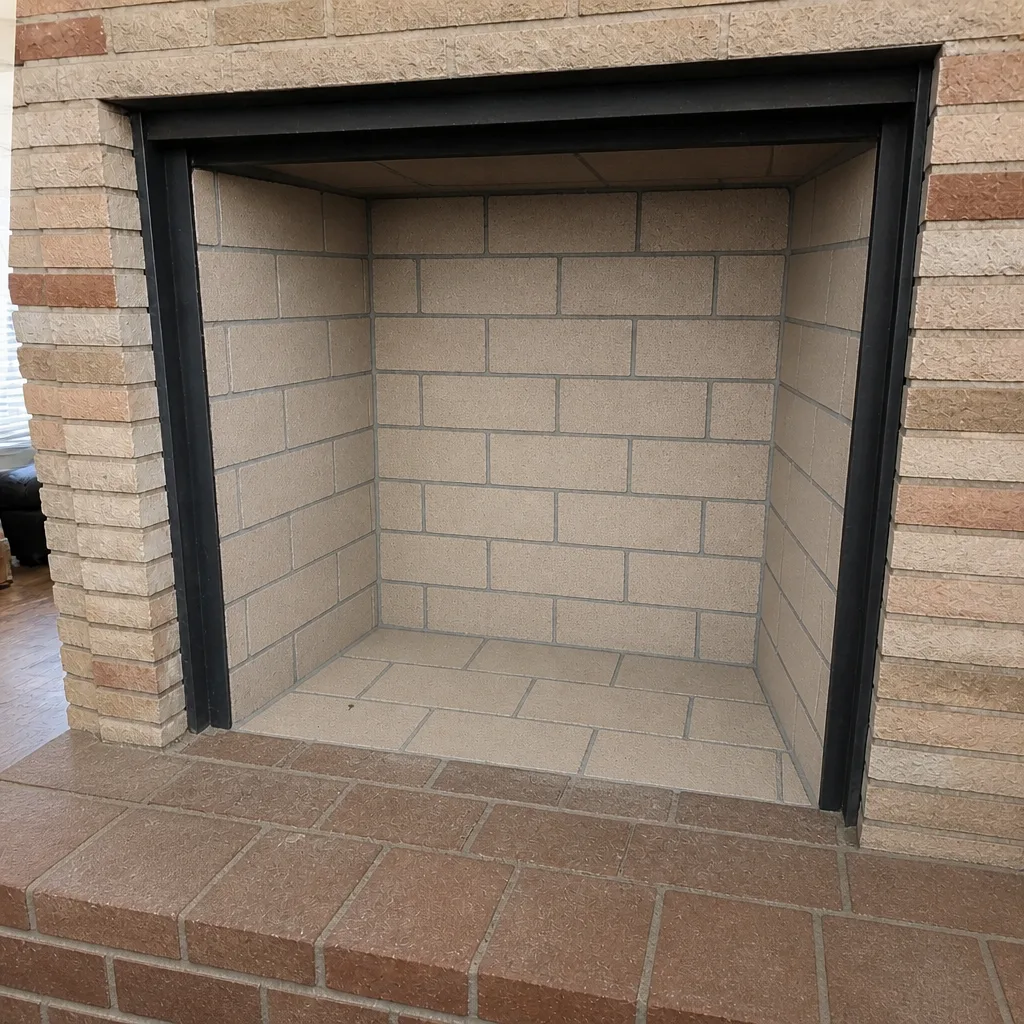
See the difference
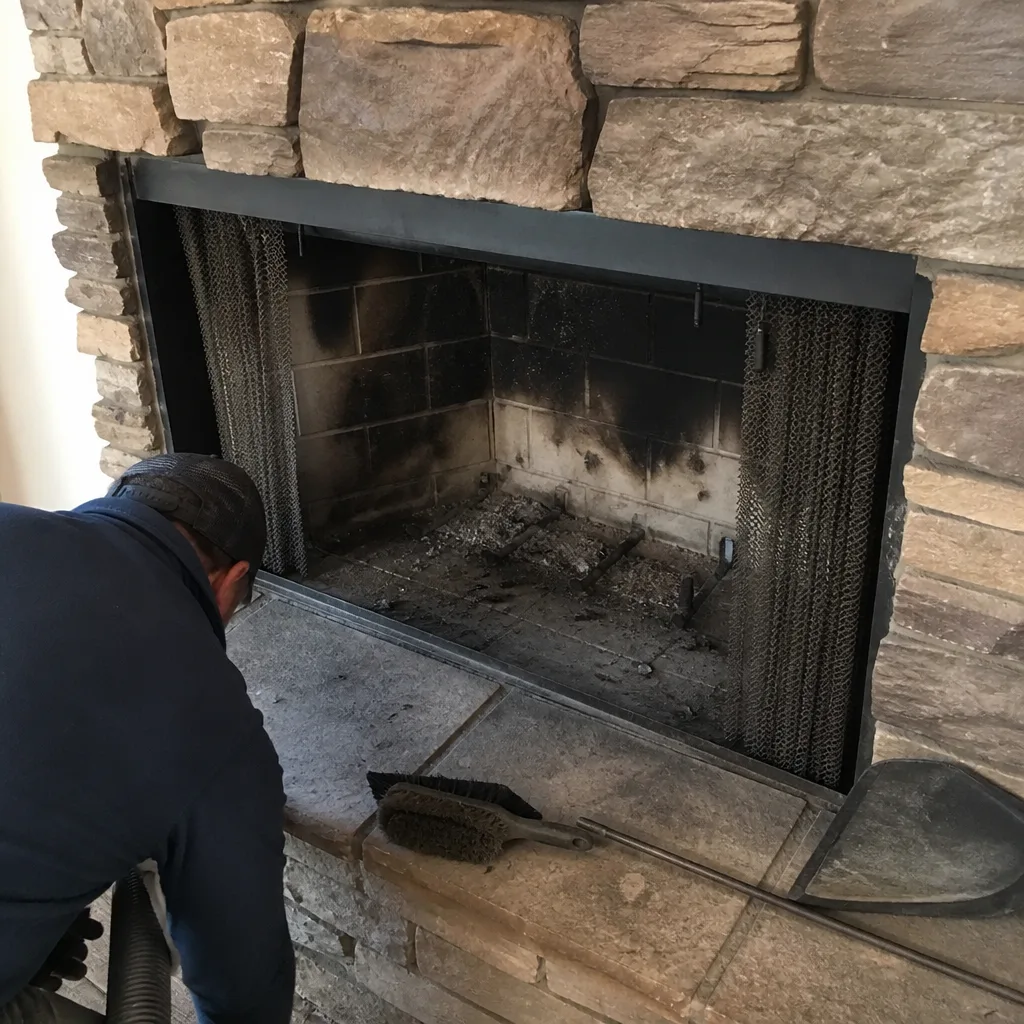 Before
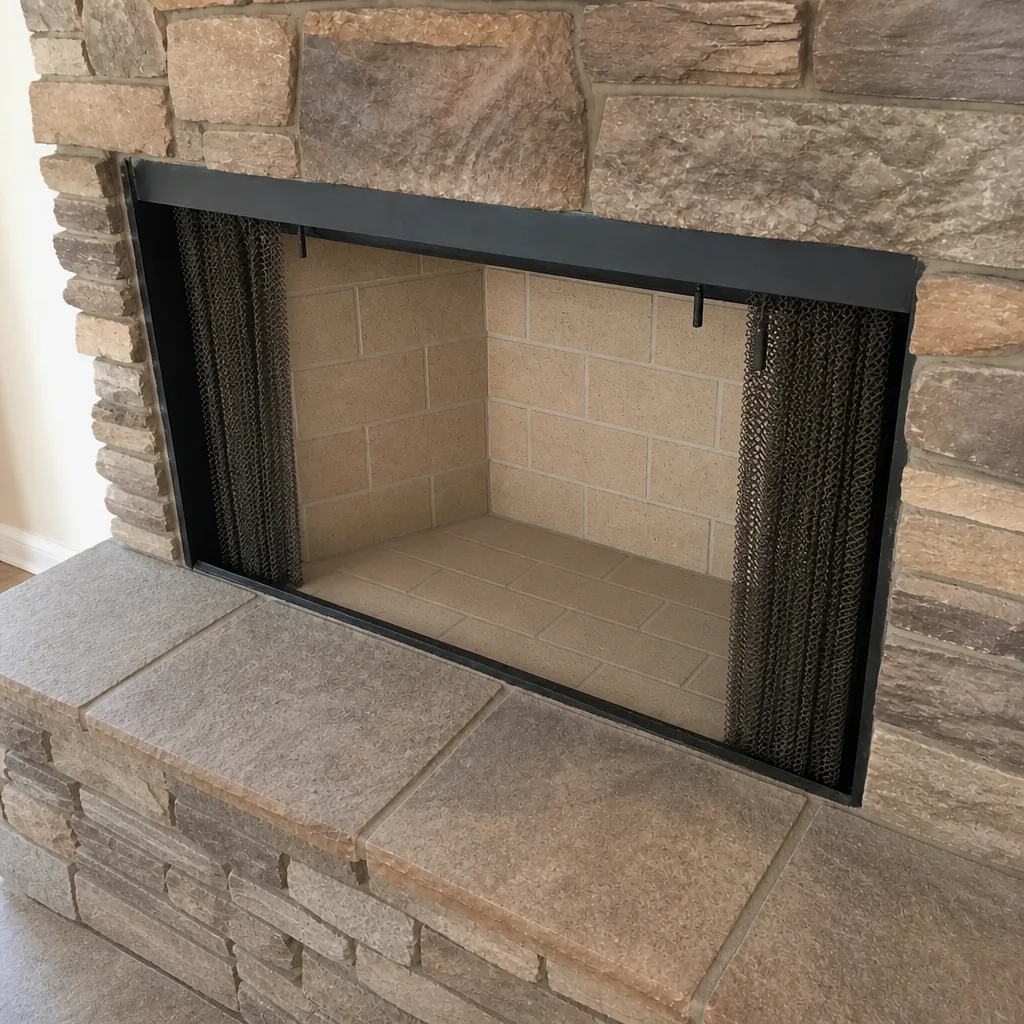 After
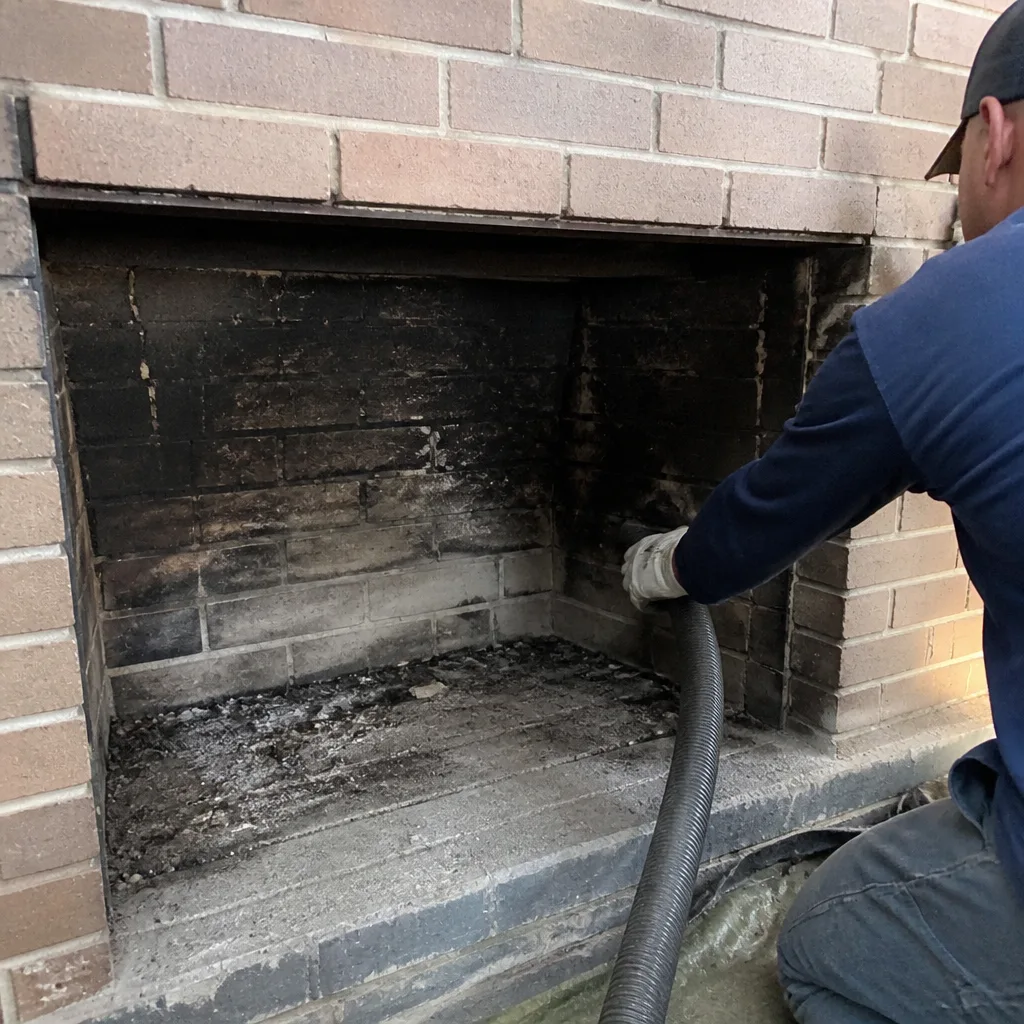 Before
 After
 Before
 After
When to Call a Professional
Call a professional when the fire draws poorly, when smoke backs into the room, when you smell a strong creosote odor on warm days, or when you notice soot streaking on the outside of the chimney or around the firebox doors. Any of these signs means something in the system isn’t behaving, and the diagnosis is best done by someone with a camera and the experience to read what it shows. Gas fireplace owners should call when they notice venting issues or an unfamiliar smell.
You should also call when you’ve gone more than a year since the last sweep, when you’ve just moved into a Taylorsville home with a fireplace you haven’t had inspected, or when you’re preparing to sell and want a written record of condition. The visit is the starting point, not a commitment to work.
Taylorsville Chimney Sweep offers free estimates in Taylorsville. Call (833) 513-8777. We answer 24/7. Fast dispatch from 7am to 7pm, Sunday through Friday. The estimate is a written number, and nothing is recommended that the camera can’t show you.
Frequently Asked Questions
Chimney cleaning in Taylorsville is priced per job by written estimate, and the number depends on flue height, deposit load, and whether inspection and camera work are included. The estimate is free and agreed before work begins. Call (833) 513-8777 for an exact quote – estimates are free.
Not always. Liner replacement is one option, and it’s often recommended when a full reline is genuinely the only path. But damaged sections can frequently be restored with HeatShield ceramic resurfacing, which is a structurally sound alternative that costs less than a full reline. The camera footage is what decides. Call (833) 513-8777 for an exact quote – estimates are free.
Once a year is the standard baseline for wood-burning chimneys in Taylorsville, and it’s the schedule that keeps Stage 2 deposits from accumulating into Stage 3. Homes that burn heavily or use unseasoned wood should treat the annual sweep as a firm minimum. Call (833) 513-8777 for an exact quote – estimates are free.
Skipping sweeps allows creosote to build to a glazed layer that raises chimney fire risk and is much harder to remove. It also lets small problems (a cracked crown, a failed liner joint) progress unchecked. The cost of a sweep is consistently lower than the repair that follows years of neglect. Call (833) 513-8777 for an exact quote – estimates are free.
Taylorsville sits in a valley that traps cold air during winter inversions. A colder exterior makes it harder for the flue to hold temperature, so smoke cools faster going up and deposits more creosote. The practical result is Stage 2 buildup forming in a single season of heavy use. Call (833) 513-8777 for an exact quote – estimates are free.
A written report of findings, camera images or video of the flue and crown, a statement of what was cleaned, and any recommendation with the reason behind it. This record matters for homeowner’s insurance in Utah, where carriers frequently want maintenance history when a chimney-related claim comes up. Call (833) 513-8777 for an exact quote – estimates are free.
The Bottom Line
Chimney cleaning in Taylorsville works when it’s done in sequence: sweep first, inspect second, assess third. Reverse that order and the inspection is compromised before it starts. Creosote builds through three stages, and the valley’s winter inversions accelerate the second stage in wood-burning systems, which is why an annual sweep matters more here than the calendar alone would suggest. Rotary cleaning reaches what brush-and-rod setups leave behind in older terra cotta tiles. A full-lifecycle specialist reads the crown, liner, and smoke chamber alongside the flue, and can restore before recommending replacement when the camera shows restoration is the right call. The written report is the part that protects you, both for insurance and for knowing what changed year over year. If you’re ready to schedule, Taylorsville Chimney Sweep handles the full process, from the routine chimney sweep through repair and crown work. Call (833) 513-8777. We answer 24/7. Fast dispatch from 7am to 7pm, Sunday through Friday. The estimate is free, and the report is yours to keep.
Written by the team at Taylorsville Chimney Sweep.