
Last updated November 24, 2026
 Sweep & inspection
 Caps & crowns
 Flue relining
 Masonry repair
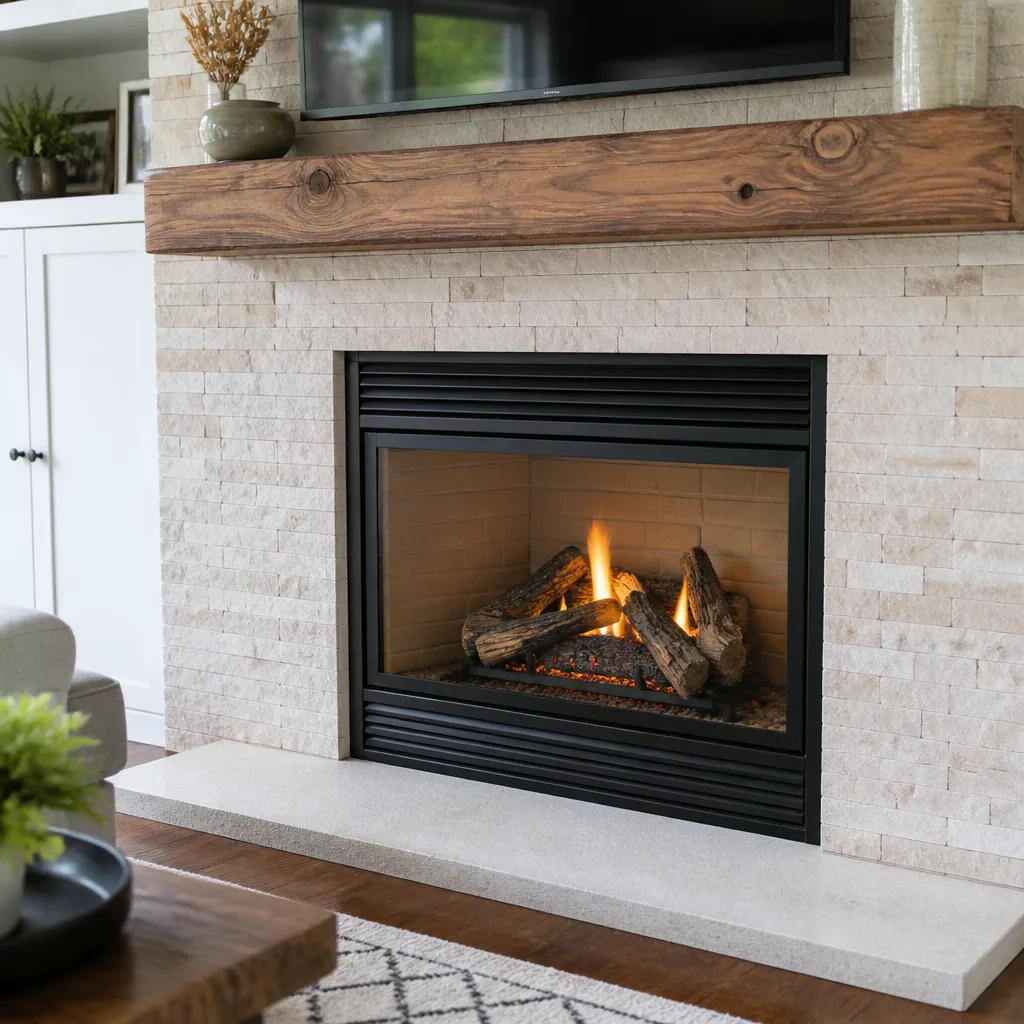 Gas fireplace service
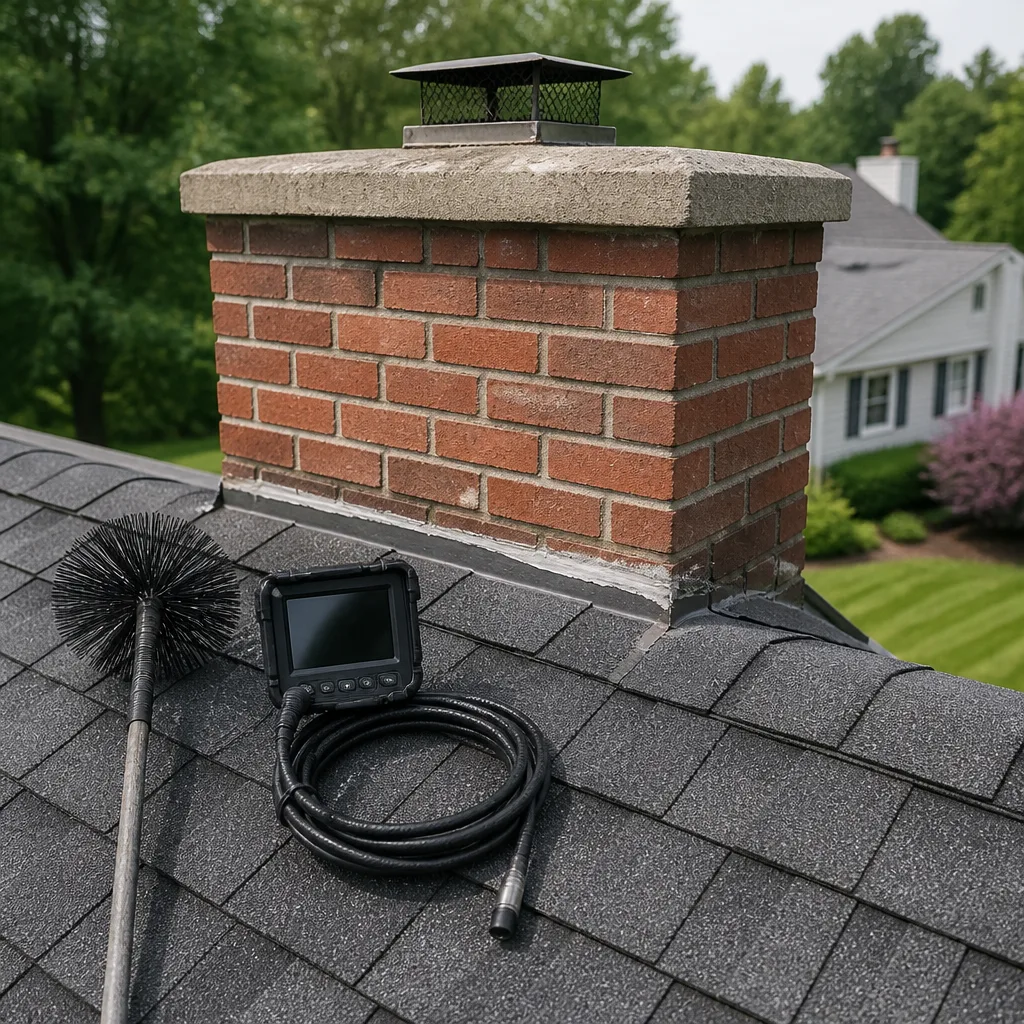
Level 1 sweep and inspection to the NFPA 211 annual standard - flue, crown, cap, and flashing checked and photographed
Chimney sweep logs do not sweep chimneys. They loosen some creosote - which then falls where a brush and vacuum still have to collect it.
Chimney Cleaning Emergency Preparedness Guide for Taylorsville Homes
Most homeowners believe the right move in a chimney fire is to call 911 and wait. In reality, there are two actions you can take in the first 60 seconds that the fire department will tell you to handle yourself while the truck is rolling: close the damper completely and clear every combustible item away from the firebox. Those two steps slow lateral fire spread before crews arrive, and they buy time that matters. This guide walks through how to recognize an active chimney fire from sound, smell, and roofline signs, how to tell a chimney fire apart from a carbon monoxide event, and why a chimney that has experienced a fire cannot go back into service without a proper inspection. If you live in Taylorsville and burn wood, this is the page to read before the season starts, not after.
Quick Answer
An active chimney fire needs three moves in order: get everyone out, call 911, then close the damper if the fire is still contained in the flue and clear combustibles from around the firebox. A carbon monoxide event needs a completely different response: evacuate, ventilate by opening doors and windows, and do not re-enter until the source is found. After any fire event, NFPA 211 requires a Level 2 inspection before the chimney returns to service, regardless of how minor the damage looks from the ground.
Styles & brands we work with
- Sweep & inspection
- Caps & crowns
- Flue relining
- Masonry repair
- Gas fireplace service
Table of Contents
- How do you recognize an active chimney fire?
- The damper-close protocol: when it helps and when it doesn’t
- Carbon monoxide versus chimney fire: two different protocols
- What happens after a chimney fire event
- Pre-season emergency preparedness checklist
- Why Taylorsville homes face specific chimney risks
- Documenting chimney condition before each burn season
- When to call a professional
How do you recognize an active chimney fire?
Chimney fires announce themselves in three channels: sound, smell, and what you can see from the ground or the roofline. Fast-burn events are loud and obvious. Slow-burn events burn quietly inside the flue for hours and are far more dangerous because they go unnoticed until structural damage has already happened.
Listen for a low roaring sound like a distant freight train or a rumble that builds when you add wood. That rumble is the sound of a large volume of hot gas moving through an undersized or obstructed flue. Some homeowners hear a series of pops or ticking noises as the metal liner expands unevenly under intense heat. A chimney that suddenly sounds like it has a small engine inside it is a chimney with a fire in it.
Smell for a sharp, hot, almost chemical odor that is different from the normal woodsmoke of a working fireplace. A properly burning fire smells like wood. A chimney fire smells like burning metal, scorched creosote, or hot tar. If the house fills with a dense smell that lingers even after the fire is out, treat it as a red flag.
Watch for these visible signs:
- Thick, dark smoke pouring from the chimney top well after ignition
- Puffs of smoke coming out of the chimney in bursts rather than a steady stream
- Sparks or embers visible at the cap
- A glow or visible flame at the top of the flue
- Discolored or warped metal at the cap or on the roof
- Creosote flakes or pieces of liner visible on the roof or in the yard below the chimney
Slow-burn fires are trickier. The signs may be limited to a soft buzzing sound, a slight vibration in the walls near the chimney, or a smell of hot creosote you can’t quite place. If you suspect one, treat it like a full event until someone qualified has inspected the flue.
The damper-close protocol: when it helps and when it doesn’t
Closing the damper during a chimney fire is one of the most effective spread-limiting moves available, but only when the fire is still contained inside the flue. The decision depends entirely on fire stage, and getting it wrong can accelerate carbon monoxide migration into the living space.
Close the damper when:
- The fire is still burning inside the firebox or the flue
- You can hear the roar or rumble from the chimney
- Smoke is still going up the chimney rather than filling the room
- The fire department has been called and is en route
Do not close the damper when:
- Smoke is already backing into the living space
- You see flames at the top of the chimney or coming out of the cap
- The fire has moved outside the flue into the chimney structure or the surrounding framing
- Carbon monoxide alarms have triggered inside the home
The logic is straightforward. A closed damper starves the fire of the oxygen flowing up through the flue, which chokes the burn and limits how much heat reaches the surrounding combustibles. But if the fire has already escaped the flue, or if there is a CO problem in the living space, closing the damper traps exhaust inside the house instead of venting it. In that scenario, leave the damper open and get everyone outside.
Removing combustibles from around the firebox runs in parallel with the damper decision. Logs, kindling, newspapers, furniture, curtains, and fireplace tools on a hearth mat are all fuel for a fire that has jumped the hearth. Clearing a two-meter radius around the firebox in the first minute is the second half of the 60-second protocol.
Carbon monoxide versus chimney fire: two different protocols
Homeowners frequently conflate chimney fires and carbon monoxide events, and the results can be dangerous because the response is completely different. A chimney fire wants a closed damper and a 911 call. A CO event wants open doors and windows, evacuation, and a different kind of investigation.
Carbon monoxide is a colorless, odorless gas produced by incomplete combustion. A blocked flue, a cracked liner, a broken crown, or a reversed draft can all push CO into the living space instead of up the chimney. The signs include headache, dizziness, nausea, confusion, and drowsiness in multiple occupants at the same time. Pets may show symptoms first. A CO detector going off is the clearest signal.
If you suspect CO:
- Get every person and pet out of the house immediately.
- Call 911 from outside.
- Open doors and windows on the way out, but do not stop to investigate.
- Do not re-enter until the fire department has cleared the building.
- Do not relight the fireplace until a chimney professional has inspected the entire venting system.
If you suspect a chimney fire, the order shifts:
- Get everyone out of the house.
- Call 911.
- If the fire is still contained in the flue, close the damper and clear combustibles from around the firebox.
- Wait for the fire department.
- Do not return the chimney to service until it has been inspected.
The confusion usually comes from the smoke. A chimney fire can produce smoke in the living space if the flue is blocked, and a CO event can feel like a fire because of the smell. The rule to hold onto: flames and roaring means fire protocol, headaches and alarms with no fire means CO protocol. When you’re unsure, evacuate and call 911. You can sort out the details once everyone is safe.
What happens after a chimney fire event
A chimney that has experienced a fire event cannot be returned to service without a Level 2 inspection under NFPA 211, regardless of visible damage. That is a code requirement, not a suggestion, and it applies even if the fire was small enough that you almost didn’t notice it.
Level 2 means the inspector goes beyond the visual check with a camera or video scan of the flue interior and access to concealed areas. A slow-burn fire can crack the inner liner, distort the flue tiles, or damage the mortar joints in ways that are completely invisible from the firebox. The heat is intense enough to spall masonry, warp metal liners, and open gaps at flue tile seams that Creosote and hot gases can travel through on the next burn.
After the inspection, there are usually four possible outcomes:
- No damage found. The chimney is cleaned and returned to service with a report documenting the inspection.
- Minor liner damage. HeatShield ceramic resurfacing can restore damaged liner sections in many cases without full relining, giving you a structurally sound flue without the cost of a complete replacement.
- Significant liner damage or a compromised flue. A DuraFlex flexible liner system can reline older homes with offset or non-standard flues that rigid alternatives can’t navigate.
- Structural damage to the crown or exterior. Crown work and cap replacement come next, using products sized to chimney dimensions rather than improvised general-purpose fittings.
The point of this section is not to scare you into repair work. The point is that the inspection is mandatory before a fire-damaged chimney goes back into use, and the inspection is how you find out which of those four outcomes applies. No one should be recommending liner or masonry work after a fire without camera evidence you can look at yourself.
Pre-season emergency preparedness checklist
Every Taylorsville home with a wood-burning fireplace should have the following items in place before the first burn of the season. This is the list we walk through with homeowners who want to be ready rather than reactive.
- Carbon monoxide detectors on every level of the home. Test them at the start of the season and replace the batteries. Detectors near bedrooms and on the sleeping level catch overnight CO events that sleeping occupants would otherwise miss.
- A fire extinguisher rated for the fire type. For chimney-adjacent fires, an ABC dry chemical extinguisher is the standard choice. Keep it accessible in the room with the fireplace and check the gauge at the start of each season.
- A metal ash can with a tight lid. Ashes stay hot for days. Empty the firebox into metal, never plastic, and never straight into a trash bin.
- A flashlight stored near the fireplace. If the power goes out during a fire event, you need light to find your way out, and you don’t want to be fumbling in a dark room with smoke in it.
- A documented chimney inspection from the last 12 months. A current report shortens the post-event investigation and helps with insurance claims.
- A clear two-meter radius around the firebox. No furniture, no stacked firewood, no rugs on the hearth edge. This is the third of the 60-second protocol moves already done for you.
- An agreed meeting place outside. Every occupant of the house should know where to go if they have to leave in a hurry.
None of this is complicated. What makes it work is rehearsal. A homeowner who has thought about the damper decision, the CO alarm, and the exit route before the season starts makes materially better choices in the first three minutes of a chimney emergency than one who is improvising. The three minutes are the difference between a contained event and a structural fire.
Why Taylorsville homes face specific chimney risks
Taylorsville sits in the Salt Lake Valley, which means homes here burn through more heating-degree days than most of the country and sit under a winter inversion layer for weeks at a time. Both factors affect chimney performance in ways that matter for emergency preparedness.
The inversion effect is the one homeowners underestimate. When the warmer air traps cooler air below it, smoke from a chimney does not vent as cleanly as it would on a clear winter day. Draft can weaken, and a marginal flue that works fine in October can stall in January, backing smoke and combustion gases into the living space. That stall is one of the common pathways to a CO event. Burn dry, well-seasoned wood and watch for the signs of poor draft: smoke rolling back into the room when you open the damper, a lazy fire that refuses to burn hot, or a persistent smell of smoke in the house after a burn.
The valley’s housing stock adds another layer. Many Taylorsville homes were built in the mid-to-late 20th century, which means fewer fireplace systems were designed to the current code for chimney sweep access and clearance from combustibles. Older masonry chimneys in particular can have offset flues, cured and cracked flue tiles, or original metal liners that have reached the end of their service life. Those are the configurations where a chimney fire escalates fastest, because the fire has less structural resistance to slow it down. DuraFlex flexible liners are often the right answer for these homes specifically because they can be routed through the existing offset flue.
If you’re not sure what your Taylorsville home was built with, a professional chimney sweep and inspection in the off season tells you in an hour. Our technicians have up to 9 years of experience with valley homes and the flue configurations they were built with.
Documenting chimney condition before each burn season
Documenting chimney condition at the start of every burn season is a ten-minute habit that pays off if you ever need to file an insurance claim after a fire event. Most homeowners skip it, and then struggle to prove the condition of the chimney before the event.
Here’s what to capture each September or October, before the first fire:
- Photo of the chimney exterior from two angles, including the cap and crown
- Photo of the firebox, damper, and the first visible section of the flue from the top of the firebox
- The written inspection report from your annual sweep, signed and dated
- A note of the date of the last sweep and the last inspection
- Any repairs made since the last report, with receipts
If your home has a wood-burning fireplace, the annual sweep and inspection report is the single most useful document you can hold. It establishes a baseline of the chimney’s condition, and it gives the inspector after a fire event something to compare against. If your chimney has been restored using HeatShield ceramic resurfacing or a DuraFlex liner system, keep the installation documentation with your home maintenance records so future inspectors know what’s behind the flue tiles.
If your home has a gas appliance venting through the chimney, the documentation matters for a different reason. Gas appliances produce less creosote but more moisture, which can degrade masonry over time. An annual inspection catches those issues before they become emergencies. A gas-burning fireplace repair visit is a good moment to fold in the documentation update.
Common Mistakes to Avoid
- Waiting to call 911 because you’re not sure it’s a real fire. The dispatcher can sort out whether it’s a full response or a check, and the fire department would much rather roll a truck for a controlled burn than arrive to a roofline fire already through the framing. Call first, investigate second.
- Closing the damper in every fire event. Closing the damper is a spread-limiting move only when the fire is still in the flue. If smoke is backing into the room or a CO alarm has triggered, the damper goes the other way: leave it open or open it, and get everyone outside.
- Confusing a CO alarm with a smoke alarm. A smoke alarm beeps in a steady pattern with a sharp, urgent sound. A CO alarm has a different pattern and usually a distinct voice alert. If your home has both, know which is which before an event, because the response is different.
- Restarting the fireplace after a fire event because “it looks fine.” A fire event can leave the flue structurally compromised without any visible sign from the firebox. NFPA 211 requires a Level 2 inspection after a fire event, and the requirement exists because homes have re-lit a fire-damaged chimney and lost the roof to it.
- Skip the fire extinguisher because “we’d just call the fire department.” The fire department’s response time is measured in minutes. A fire extinguisher is measured in seconds. For a fire that has jumped the hearth, seconds are what you need.
- Burn unseasoned wood because it’s cheaper. Wet wood produces more creosote, which is the fuel that makes chimney fires severe rather than manageable. Seasoned wood burns hotter and cleaner, and it produces less of the exact material you’re trying to keep out of your flue.
- Leave the annual inspection as a “when we get to it” item. The single most effective chimney-fire prevention is the annual sweep and inspection. It is also the cheapest chimney service on the menu. Homeowners who defer it every year are the ones calling us at the start of a burn season with a fire event already in the rear view.
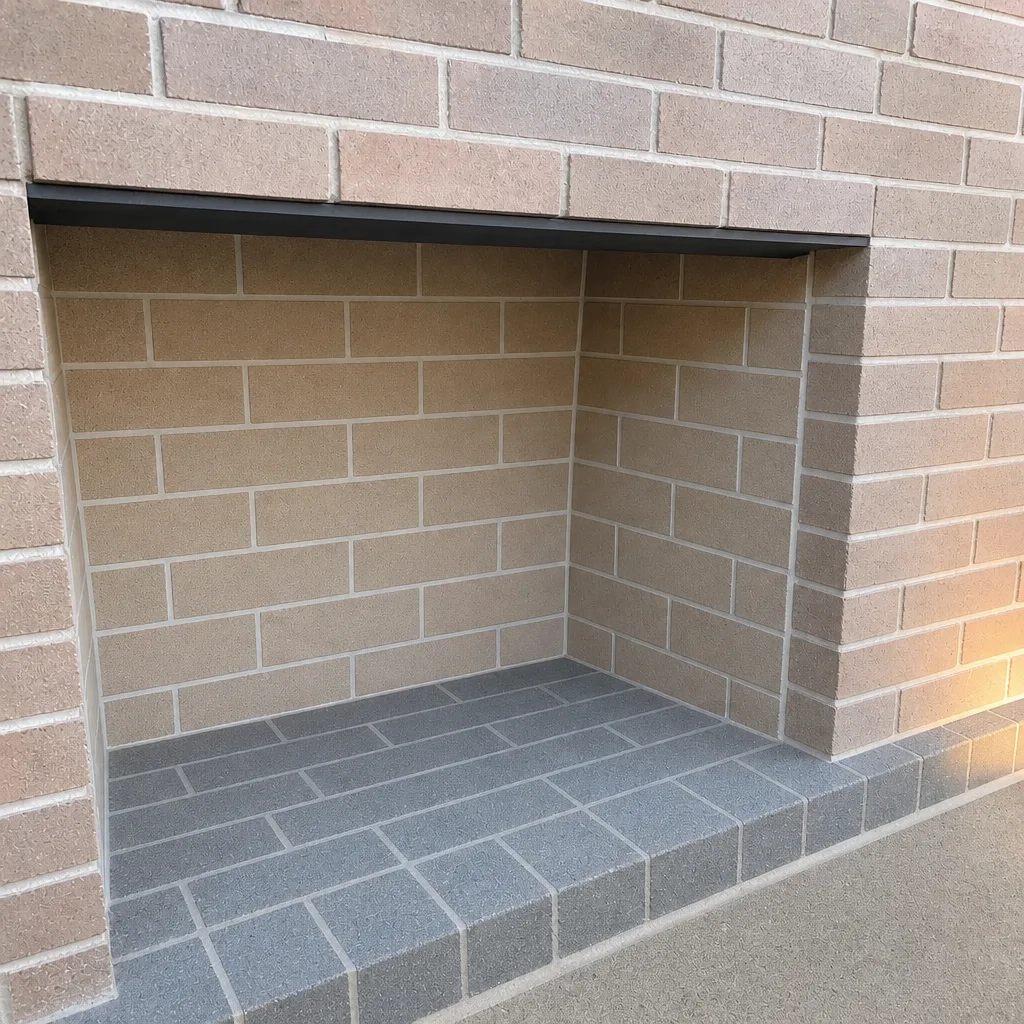
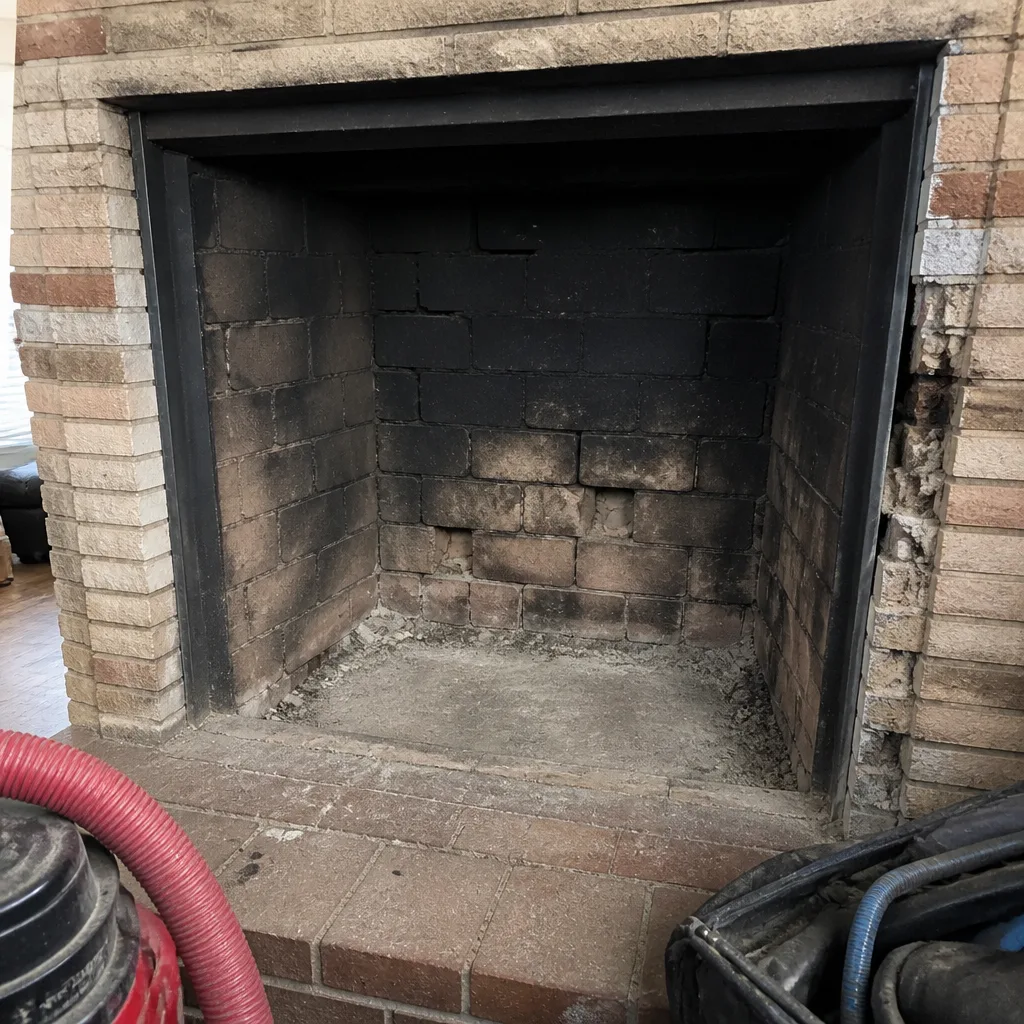
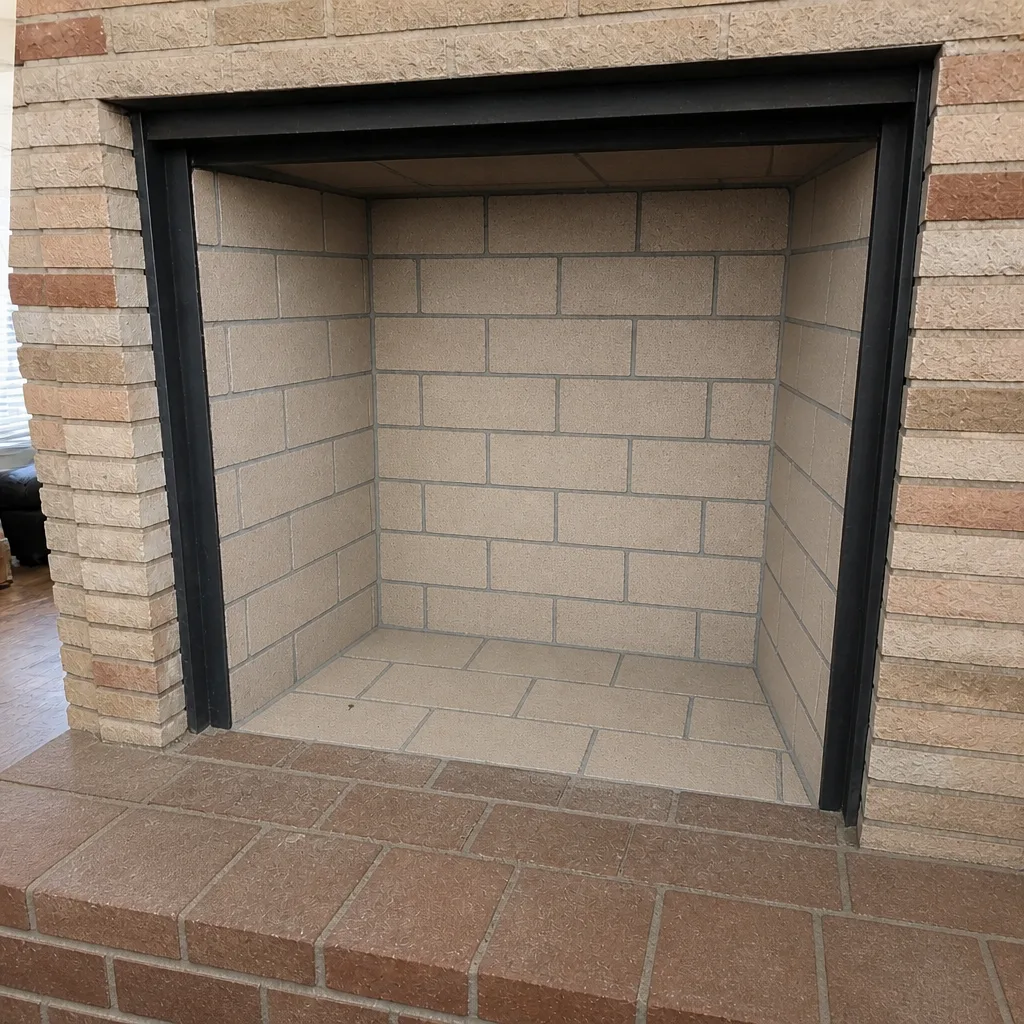
See the difference
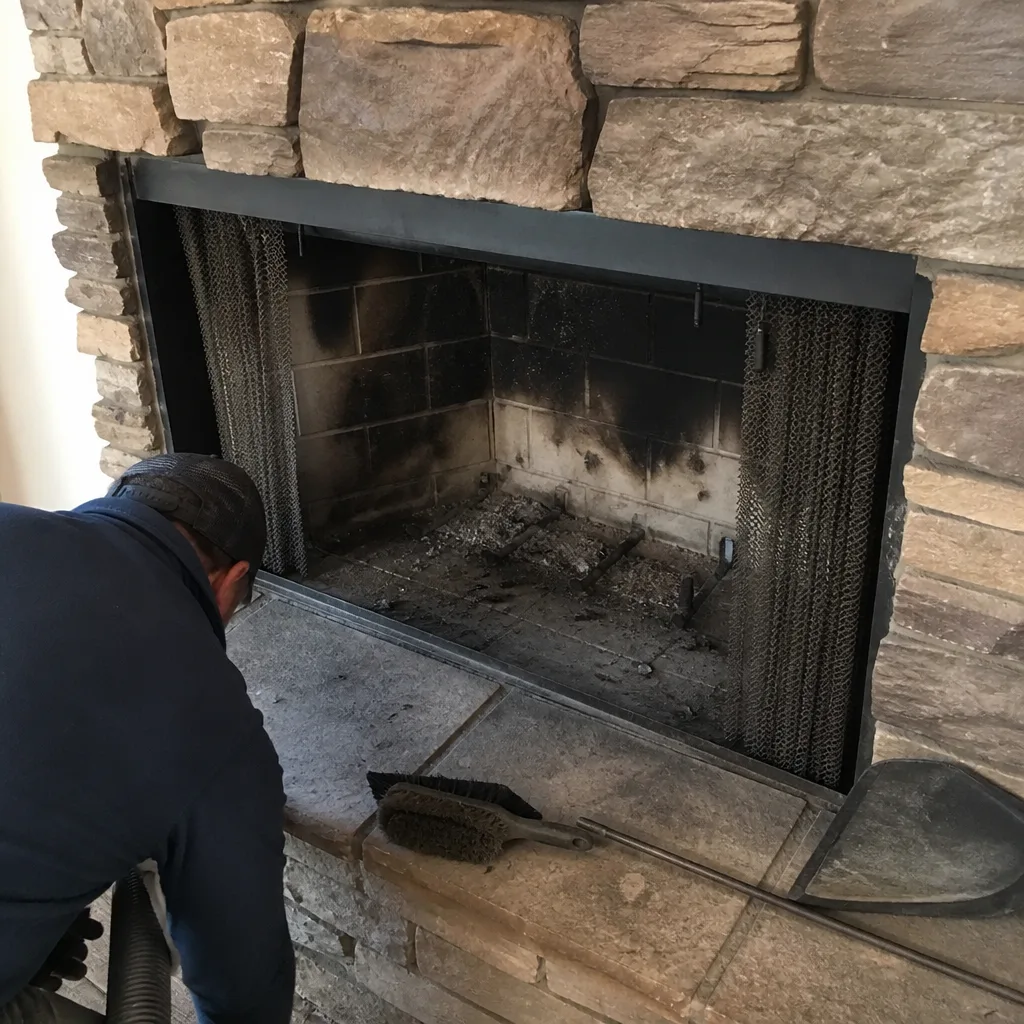 Before
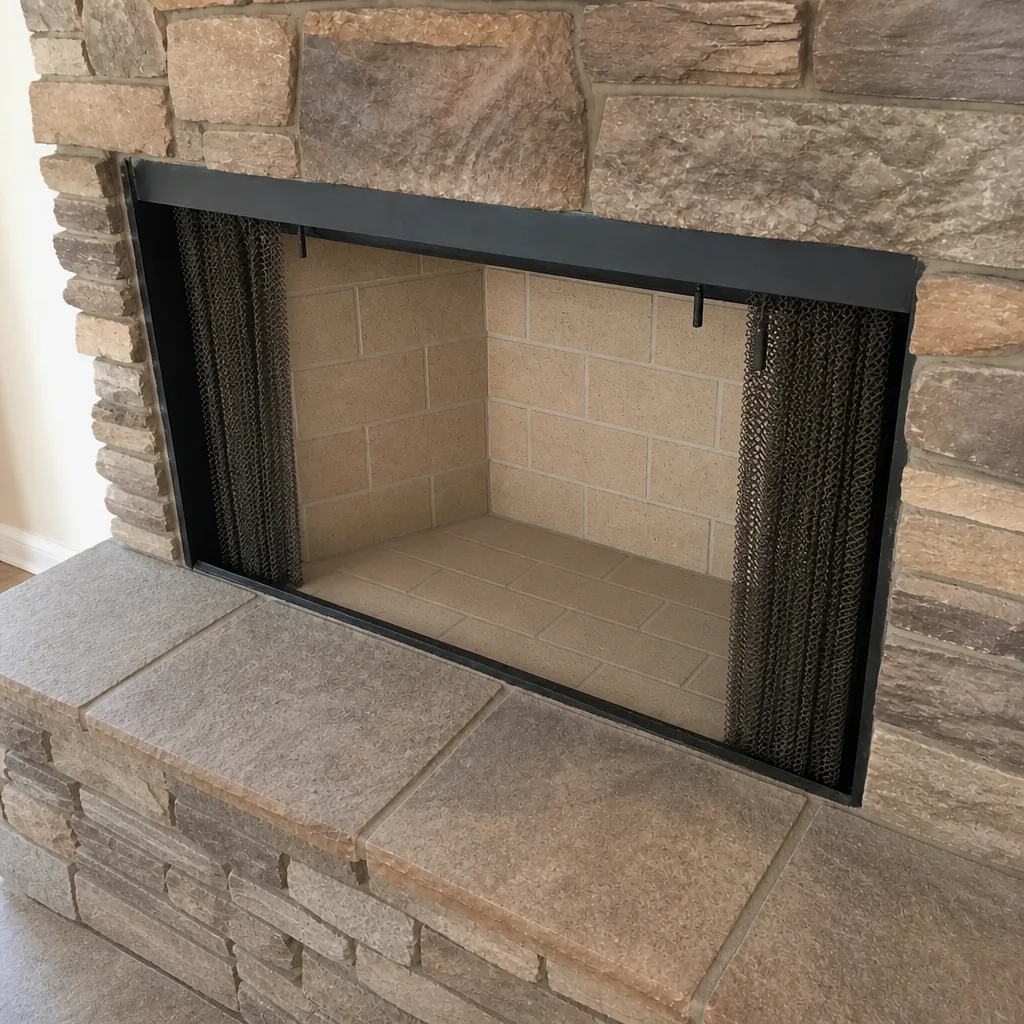 After
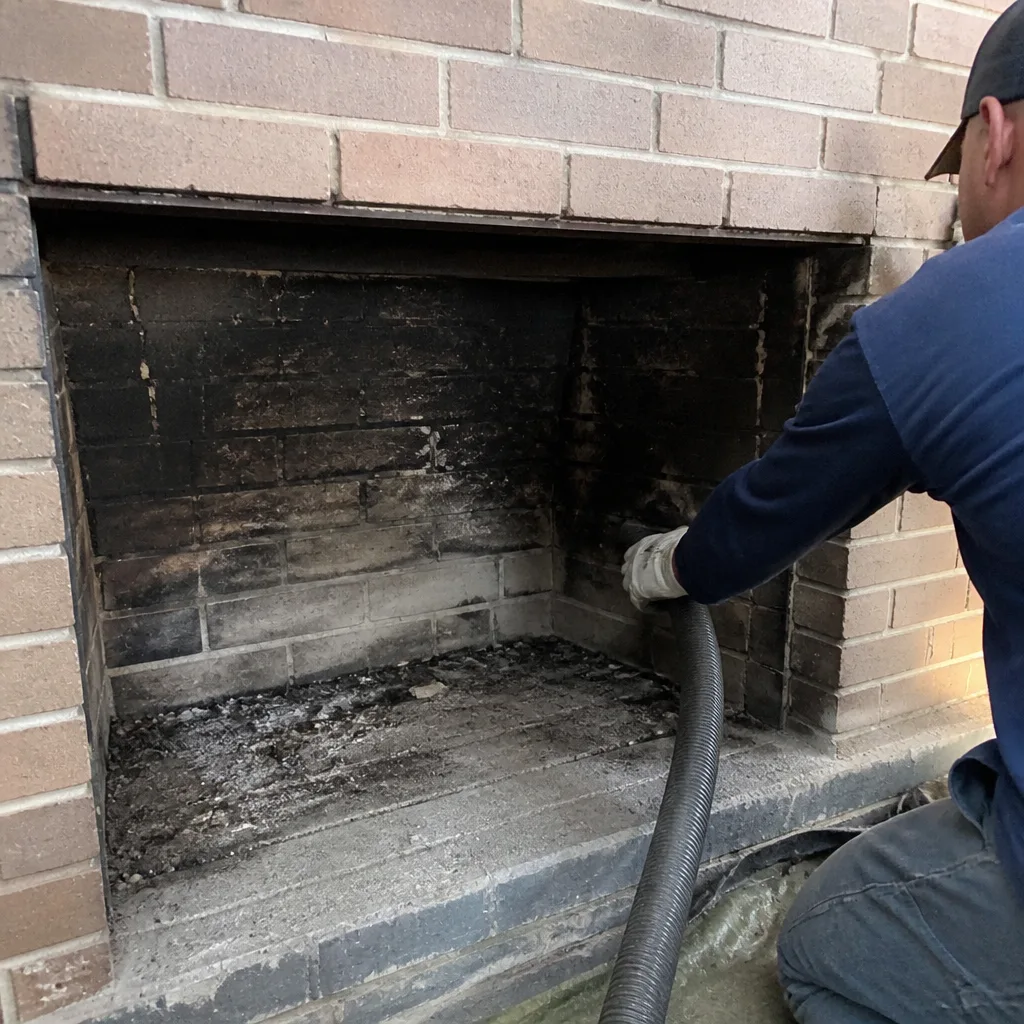 Before
 After
 Before
 After
When to Call a Professional
Some chimney issues need a fire department. Others need a chimney professional. Knowing which is which saves time and, in the wrong scenario, saves the house.
Call 911 for any active fire, any smoke filling the living space, any CO alarm that has triggered, or any situation where you can smell burning creosote and can’t find the source. The fire department gets there first, and they will tell you if the chimney needs an inspection afterward.
Call a chimney professional for:
- A post-event Level 2 inspection after any fire event, however minor
- Any sign of liner damage, cracked flue tiles, or deteriorated mortar joints
- Persistent smoke backing into the room during normal burns
- A cap that is missing, damaged, or came off in a windstorm
- A crown that is cracked, spalling, or separating from the chimney top
- An annual sweep and inspection that’s overdue
- Any structural concern after a chimney event, even if the fire department cleared the home
Taylorsville Chimney Sweep offers free estimates in Taylorsville for chimney inspection, chimney repair, and rebuild after a fire event. Call (833) 513-8777. We answer 24/7. Fast dispatch from 7am to 7pm, Sunday through Friday. Post-event work is booked per the written estimate, with camera inspection and a photo report included so you can see what we’re seeing before any work is recommended.
Frequently Asked Questions
A routine chimney sweep is typically priced per job through a written estimate rather than a flat published rate, and the estimate is free. A sweep alone covers the flue cleaning; if the chimney hasn’t been inspected in over a year, the estimate will usually include a Level 1 or Level 2 inspection so you know the actual condition of the liner, crown, and cap. Call (833) 513-8777 for an exact quote. Estimates are free, and the written estimate sets the final price.
Annually is the standard for any chimney that burns wood regularly, regardless of how much you use it. The annual sweep is also the moment your flue gets inspected, which is where most liner and crown problems are caught before they become emergencies. A chimney that has had a fire event needs a Level 2 inspection immediately afterward, separate from the annual schedule. Call (833) 513-8777 to book the sweep and inspection together.
Not always. A Level 2 inspection determines whether the liner survived. Many chimney fires cause limited damage to specific sections of the flue, and HeatShield ceramic resurfacing can restore those sections without full relining. DuraFlex flexible liner systems are the answer when the flue has sustained significant damage or when an older home’s offset flue needs a full re-line. The footage from the camera inspection is what determines which path is right, and the decision should always be made from evidence you’ve seen yourself.
Creosote builds up in the flue and reduces clearance to the surrounding combustibles, which is the exact condition that turns a small ignition into a chimney fire. Cracked flue tiles and crown damage also go unnoticed, and those are the paths that let carbon monoxide into the living space. Nothing dramatic happens the first year you skip. The fifth and sixth years are where the risk compounds, which is why we treat the annual sweep as a floor, not a ceiling. Call (833) 513-8777 for an inspection before the heating season starts.
A missing cap lets water, debris, and animals into the flue, and water is the single most common cause of masonry damage we see on Taylorsville chimneys. Leaves and nests also obstruct the flow of combustion gases, which is a draft problem and a CO risk in the same breath. Famco and Copperfield caps are sized to standard chimney dimensions rather than general-purpose hardware, so the fitting and the draft behavior are correct. If you’re not sure whether your cap is fitted correctly, ask during the annual inspection.
Stop burning in it until it has been inspected. If smoke is backing into the room, if you smell creosote in the house after a burn, or if the flue has ever had a fire event in it, those are all “inspect before re-lighting” conditions, not “watch it” conditions. Book the inspection and treat it as the cost of knowing. Call (833) 513-8777 to schedule, or book a free estimate if you’re comparing options.
The Bottom Line
Chimney emergencies come down to two protocols, and knowing which one applies is what separates a contained event from a bad one. A chimney fire means evacuate, call 911, then close the damper if the fire is still in the flue and clear the firebox area of combustibles. A carbon monoxide event means evacuate, call 911, and leave the damper open. Neither protocol should be improvised. Rehearse it once before the season starts, document your chimney’s condition each fall, and keep CO detectors and a fire extinguisher where you can reach them without thinking. After any fire event, the Level 2 inspection under NFPA 211 is the requirement that puts the chimney back into service safely, and the camera footage is how you decide between a HeatShield restoration and a DuraFlex reline.
If you’d like to walk through this in person, Taylorsville Chimney Sweep handles the full chimney system in Taylorsville, from sweep and inspection through fireplace repair, chimney repair, and cap and crown work. Call (833) 513-8777 for a free estimate. We answer 24/7. Fast dispatch from 7am to 7pm, Sunday through Friday. The local pro who arrives is licensed and insured as their state requires, and the written estimate sets the final price. If you’re new to Taylorsville Chimney Sweep, this is the best place to start.
Written by the team at Taylorsville Chimney Sweep.