
Last updated November 24, 2026
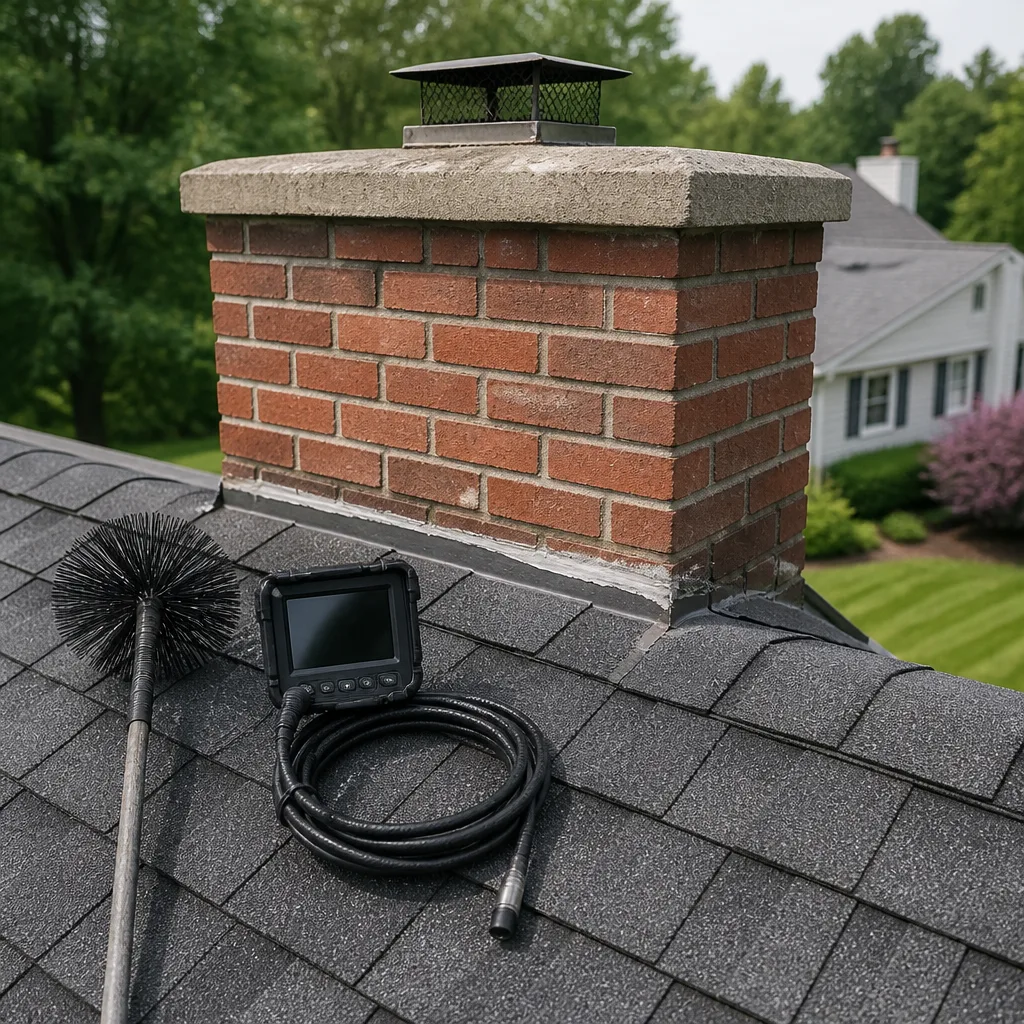 Sweep & inspection
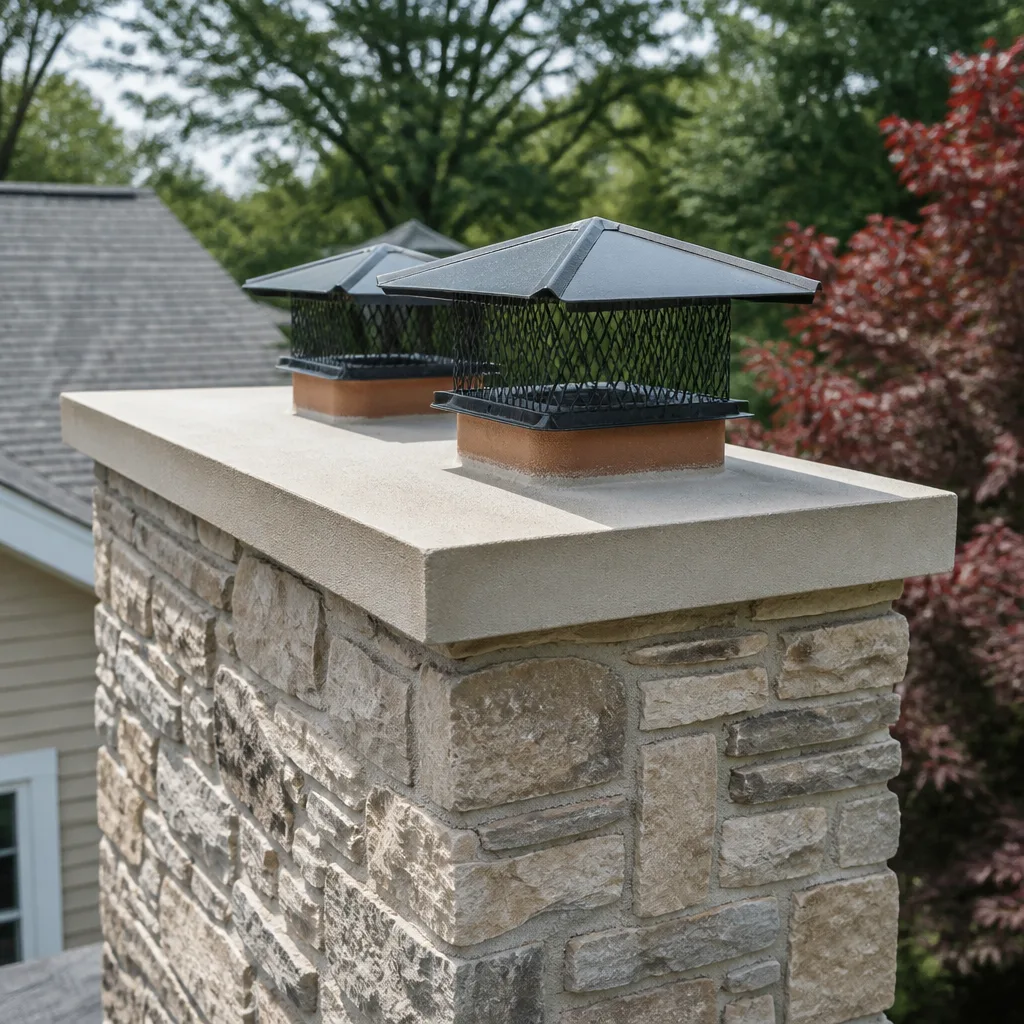 Caps & crowns
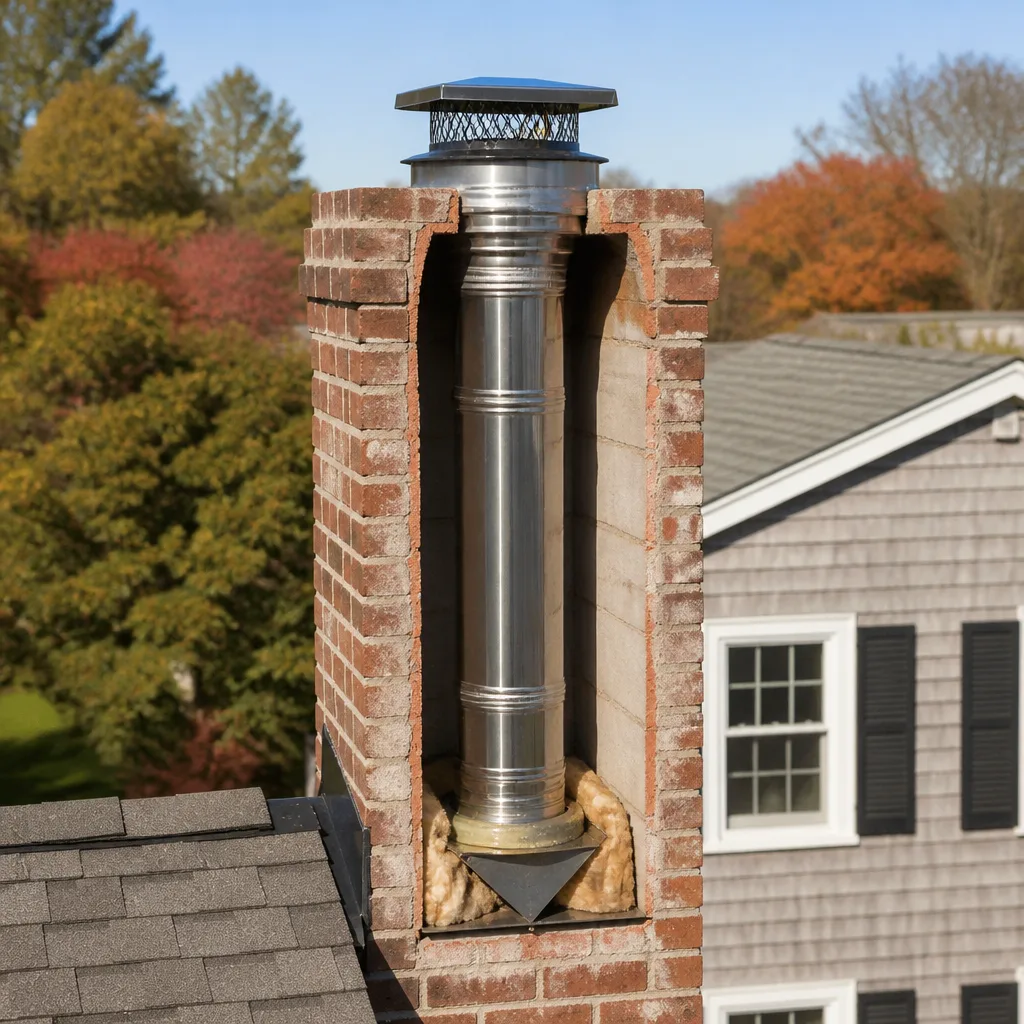 Flue relining
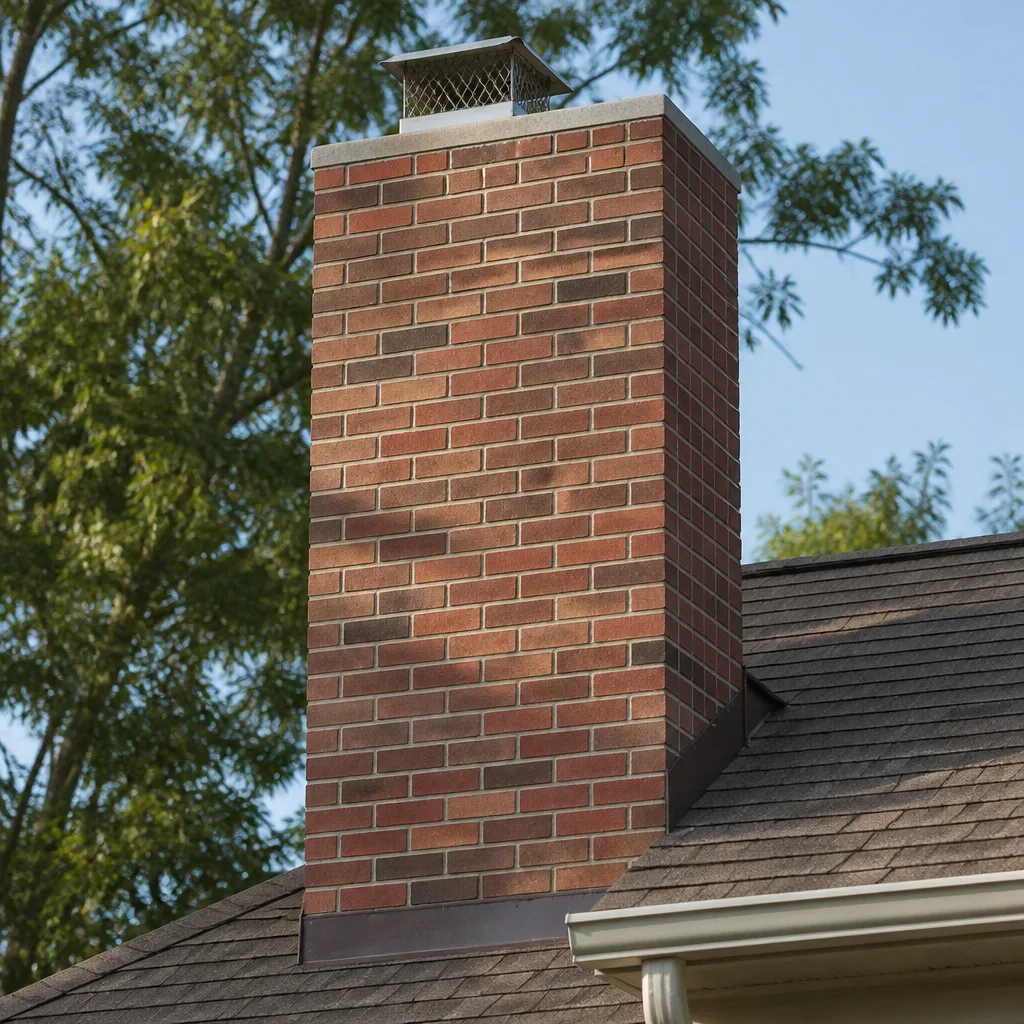 Masonry repair
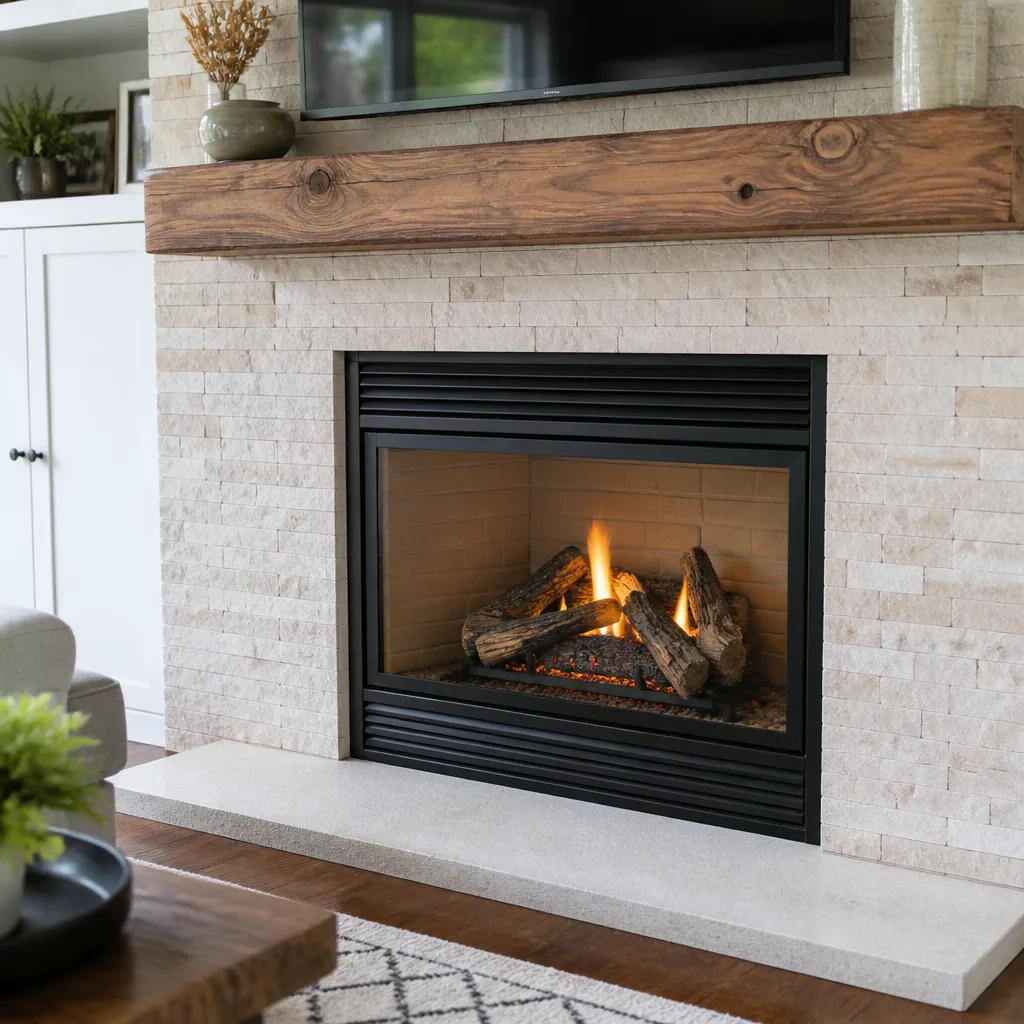 Gas fireplace service
Level 1 sweep and inspection to the NFPA 211 annual standard - flue, crown, cap, and flashing checked and photographed
Chimney sweep logs do not sweep chimneys. They loosen some creosote - which then falls where a brush and vacuum still have to collect it.
Chimney Cleaning Permits, Codes & Inspections in Taylorsville, UT: What You Need to Know
A chimney sweep doesn’t trigger a permit. The liner replacement that sweep recommends does. That single distinction trips up more Taylorsville homeowners than any other part of chimney work, and in Salt Lake County the stakes are real: unpermitted liner installations have left homeowners holding denied fire-loss claims because an inspector couldn’t verify what was actually installed inside the flue. The cleaning is maintenance. The repair is construction. One needs nothing from the city; the other needs a permit, an inspection, and paperwork that protects your house and your policy. This guide walks through which chimney jobs require a permit in Taylorsville, how the code sections apply, when a home sale or fuel change forces a Level 2 inspection, and what to do if a previous owner did the work without pulling one.
Quick Answer
In Taylorsville, routine chimney cleaning and sweeping never require a permit. Structural chimney work does – liner relining, crown rebuilds, firebox reconstruction, and major masonry repair almost always need a building permit from the jurisdiction that governs your address, and the work has to meet Utah Residential Code Section R1001 and IRC Section R1003 standards for liner material and installation. A Level 2 inspection under NFPA 211 is required any time a home changes fuel type, such as adding a gas insert to a wood-burning fireplace.
Styles & brands we work with
- Sweep & inspection
- Caps & crowns
- Flue relining
- Masonry repair
- Gas fireplace service
Table of Contents
- Which chimney jobs need a permit in Taylorsville?
- What the code actually says: R1001 and R1003 explained
- Unincorporated county or city limits: which permit office governs your address?
- Changing fuel type: why it forces a Level 2 inspection
- The three inspection levels and when each one applies
- What to do if a previous owner skipped the permit
- How unpermitted work affects your insurance after a fire
- The permit-to-inspection process, step by step
Which chimney jobs need a permit in Taylorsville?
Cleaning and maintenance don’t need a permit. Anything that changes the structure or materials of the chimney system does. That’s the short version, and it holds whether your home sits inside Taylorsville city limits or in the unincorporated pockets of Salt Lake County that share the same ZIP codes.
Utah Residential Code Section R1001 covers the general requirements for chimneys and vents – clearance from combustibles, height above the roof, and the requirement that a chimney be constructed and maintained to carry flue gases safely out of the home. Sweeping a flue clears creosote and doesn’t alter the structure, so it falls outside permit territory. A relining job does the opposite: it changes the flue system itself, and that’s where the permit conversation starts.
Here’s how the split usually falls:
- No permit needed: annual sweeping, a Level 1 inspection, cap replacement where the existing collar is undamaged, minor firebox mortar touch-ups, and clearing a blockage.
- Permit usually required: full liner relining, crown replacement or rebuild, firebox reconstruction, chimney chase repair, and any change to the flue’s dimensions or material.
- Check with the building department: cap and crown combinations that involve framing changes, converting a masonry fireplace to a gas insert, and removing a chimney below the roofline.
The word “maintenance” gets stretched a lot in this trade. A cracked crown that lets water into the chimney chase is not maintenance once the rebuild involves mortar and brick – that’s a repair, and a repair needs a permit. We’ve seen homeowner associations and real estate agents ask for the permit record during a sale, and a missing one becomes a headache fast. If you’re unsure where your job lands, our chimney repair evaluation starts with a camera inspection so you know exactly what’s structural and what isn’t before anyone calls the permit office.
What the code actually says: R1001 and R1003 explained
IRC Section R1003 governs masonry fireplaces and chimneys – the flue lining, the wall thickness, the clearance to combustibles, and the crown and cap requirements. Section R1001 covers the broader chimney and vent rules. Both are adopted into Utah’s residential code, so they apply to Taylorsville work regardless of which jurisdiction issues the permit.
The section that matters most for homeowners is the flue lining requirement. A masonry chimney has to have a lining that’s continuous, correctly sized, and rated for the appliance connected to it. That last part is where off-the-shelf alternatives fail. The generic flexible liner sold at a big-box store may be sized for a different application or a different fuel type, and it may not carry the listing that an inspector expects to see when they look up the flue after a liner job. When a liner isn’t code-minimum, the inspector fails the job, and the homeowner is stuck paying twice.
This is why we specify the right product for the job rather than a universal substitute. Purpose-built chimney liners from manufacturers like DuraFlex and Olympia Chimney are engineered for specific flue geometries and fuel types, and HeatShield’s ceramic resurfacing system is a trained application that restores damaged liner sections to a structurally sound condition without a full reline. Each carries the documentation an inspector can verify.
What R1003 also requires, and what often gets missed:
- The flue liner must extend the full height of the chimney, with no gaps where gases can escape into the masonry.
- The crown must slope away from the flue to shed water, and it must be sound enough to keep moisture out of the chimney chase.
- The chimney must be capped so rain and animals can’t enter the flue opening.
- Clearance to combustible framing must be maintained, especially where the chimney passes through a roofline or a framed chase.
If any of that sounds like a description of a repair rather than a cleaning, that’s the point. Those items are structural, and they’re exactly the items a permit office wants to see on an inspection.
Unincorporated county or city limits: which permit office governs your address?
Taylorsville is an incorporated city within Salt Lake County, but the boundary doesn’t fall in a clean square, and addresses near the edges can sit in unincorporated county pockets. That matters because the permit office that governs your chimney repair is determined by your parcel, not by your mailing address or ZIP code.
Before you schedule structural work, verify which jurisdiction has authority over your property:
- Pull your parcel number from your property tax notice or the county assessor’s record.
- Check the parcel against the Taylorsville City limits map and confirm whether it sits inside the incorporated boundary.
- If it’s inside the city, the city’s building department issues the permit. If it’s in an unincorporated pocket, the county does.
- Note the difference in inspection scheduling, because the two offices run on different timelines and different submittal requirements.
This isn’t a technicality. A permit pulled from the wrong authority doesn’t satisfy the one that governs the parcel, and the inspection never happens on the correct ticket. The job looks finished, the paperwork looks filed, and then a sale or a claim surfaces the gap. When we scope a Taylorsville chimney repair, confirming the jurisdiction comes before the estimate, not after.
One more local wrinkle: the homes around this valley are a mix of mid-century masonry fireplaces and newer construction with factory-built systems, and the two fall under different code paths. Older masonry work with a firebox and brick chase tends to trigger R1003 requirements. A newer prefab system follows the manufacturer’s listing and its own installation instructions, which the inspector will check against. Either way, the permit office needs to know which one you have, so the application has to name the system accurately.
Changing fuel type: why it forces a Level 2 inspection
Adding a gas insert to a wood-burning fireplace is a fuel-type change, and under NFPA 211 that triggers a mandatory Level 2 inspection – no exceptions, no shortcuts. The reason is straightforward: the flue that worked for wood may not be correctly sized, lined, or vented for a gas appliance, and the insert installer doesn’t have the authority to sign off on the flue condition. The inspection has to happen before the insert goes in.
Homeowners often assume swapping to gas lowers the risk. It changes the risk. Gas appliances produce moisture and, if combustion isn’t venting correctly, carbon monoxide. A flue that was oversized for wood and now serves a smaller gas appliance can cool too quickly, fail to draft, and spill exhaust back into the room. The Level 2 inspection checks the flue’s condition, sizing, and venting pathway, and it verifies that the liner material matches the new fuel type.
What a Level 2 inspection covers when a fuel change is on the table:
- Video scanning of the full flue length from the firebox to the top.
- Verification of liner continuity and material suitability for gas.
- Inspection of the firebox, damper, and smoke chamber.
- Accessible portions of the chimney exterior and the connections between appliances and the flue.
- A written report documenting the findings, which the insert installer and the permit inspector both rely on.
If you’re converting in a Taylorsville home, book the inspection before the insert purchase, not after. Finding a liner problem after the appliance is on site costs more to fix, and the inspector won’t sign off on an installation that sits on an unverified flue. Our Taylorsville Chimney Sweep team runs Level 2 inspections with camera documentation you can hand directly to your installer.
The three inspection levels and when each one applies
NFPA 211 defines three inspection levels, and which one you need depends on what’s happening with the chimney – not on what a sweep happens to feel like selling that day.
Level 1 is the routine inspection that accompanies an annual sweep. It covers readily accessible portions of the chimney and its connections – the firebox, the damper, the visible flue, and the exterior where you can reach it. If your appliance and fuel type haven’t changed, a Level 1 is usually enough, and for a Taylorsville homeowner on a yearly sweep it’s the standard.
Level 2 is the inspection required after a fuel-type change, a property sale, an appliance replacement, an event that may have damaged the chimney, or a change in the way the system operates. It includes everything in a Level 1 plus video scanning of the flue and inspection of accessible attic and crawlspace areas where the chimney passes through. This is the inspection that real estate transactions in Utah almost always need, and it’s the one that catches a hidden liner crack before it becomes a CO problem.
Level 3 is diagnostic and is only warranted when a Level 1 or Level 2 finds a defect that can’t be evaluated without opening up construction – removing a wall section, for example, to inspect a concealed chase. It’s rare, and it’s never the first inspection booked.
Here’s the shorthand a homeowner can use:
- Routine annual maintenance, no changes: Level 1.
- Fuel change, home sale, appliance replacement, or a known event: Level 2.
- Level 1 or 2 findings that require opening concealed areas: Level 3.
If someone recommends a Level 3 before a Level 2 has even been run, ask why. The inspection level should follow the situation, not the other way around.
What to do if a previous owner skipped the permit
Buying a Taylorsville home where the chimney was relined or rebuilt without a permit can leave you exposed. The prior owner’s unpermitted work became your unpermitted work the moment the deed transferred, and the permit record attached to your property won’t match the chimney you’re now relying on. The good news is that the situation is fixable, and the path runs through inspection and disclosure before closing, not after.
Here’s the sequence when you discover unpermitted chimney work:
- Get a Level 2 inspection first. The camera report tells you what was installed, whether it meets the code minimum, and how serious the gap is.
- Pull the permit history for the address. The county or city permit office can tell you what work has been filed, and what hasn’t.
- Disclose the situation in writing if you’re selling. Utah’s seller disclosure requires you to state known material defects, and unpermitted chimney work counts.
- Decide between retroactive permitting and repair. If the existing installation meets code, a permit office may allow it to be inspected and approved after the fact. If it doesn’t meet the minimum, it has to be redone.
- Get the paperwork recorded before closing. An inspection report you can produce at closing is worth more than an explanation.
We’ve seen buyers walk over an unpermitted liner because the seller couldn’t produce an inspection report, and we’ve seen sellers avoid that outcome by pulling one early. Both outcomes are determined by the report, not by opinion.
If you’re on the selling side and suspect work was done without a permit, ordering the inspection before the buyer’s inspector shows up gives you time to correct what’s fixable and disclose what isn’t. If you’re buying, put a chimney inspection in the inspection contingency and make the seller responsible for correcting any code-minimum failure.
How unpermitted work affects your insurance after a fire
An insurance claim after a chimney fire loss gets investigated, and the first thing the adjuster asks for is the permit record and the inspection report. If the chimney was relined without a permit, the carrier can argue the installation was never verified, that the work didn’t meet code, and that the loss resulted from unpermitted construction. That argument has led to denied claims.
This is not a scare tactic. It’s the mechanical reality of how a claim is reviewed. A permitted liner installation with an inspector’s sign-off is documented construction. An unpermitted one is a gap in the record, and the burden lands on the homeowner to prove the work was done correctly.
The remedy is straightforward, and it’s the same remedy that protects you against an actual fire: a Level 2 inspection with a camera report, a permit pulled for any structural correction, and the sign-off recorded. Not every homeowner needs to worry about this on day one, but every homeowner who has had a reline done without paperwork should know the exposure. When we evaluate a chimney for a fireplace repair or reline, we document the current condition with photos so the homeowner has a record of what’s in the flue regardless of who installs the next component.
The permit-to-inspection process, step by step
Here’s how a permitted chimney repair typically runs in Taylorsville, from first call to final sign-off. The order matters, and skipping a step is how jobs end up stuck at the inspection stage.
- Inspection and scope. A camera inspection documents the flue condition. That report drives the scope of the repair.
- Jurisdiction check. Confirm whether the city or the county issues the permit for your parcel.
- Permit application. The permit names the specific repair type, the material, and the licensed professional performing the work. Vague scope gets rejected.
- Repair performed to spec. The liner, crown, or firebox work has to match what the permit described. Material substitutions mid-job aren’t permitted without an amended application.
- Inspection scheduled. The inspector verifies the installation against the code sections the permit cites.
- Sign-off recorded. The permit closes, and the record stays attached to the property. This is the document you hand to a buyer or an insurance adjuster.
The most common place the timeline stalls is the material. Purpose-built chimney components from manufacturers like Famco or Gelco have published dimensions and draft specifications that line up with the code requirements the inspector is checking. Improvised general-purpose fittings do not, and when they don’t match the permit scope, the inspection fails and the work has to be redone. We specify products from the chimney industry rather than hardware-store substitutes specifically because they survive that inspection without a second trip.
Sweeping does not enter this process at all, which is the point of everything above. If you’re booking a routine chimney sweep, no permit is needed. If the sweep uncovers a structural issue, the permit path starts with the inspection report.
Common Mistakes to Avoid
- Treating a liner reline as maintenance. A reline changes the flue system and needs a permit. Skipping the permit because a sweep said “it’s just a liner” puts the whole installation outside the record.
- Pulling the permit from the wrong office. Unincorporated Salt Lake County pockets and incorporated Taylorsville addresses report to different building departments. Verify the jurisdiction against your parcel before the application is filed.
- Skipping the Level 2 when changing fuel type. Adding a gas insert to a wood fireplace always triggers a Level 2 inspection. Reversing the order – install first, inspect later – means paying to correct the install after the insert is already mounted.
- Letting a generic liner substitute pass as code-minimum. Off-the-shelf liners may not carry the listing an inspector expects for your flue geometry or fuel type, and the failed inspection means a second reline.
- Buying a home without a chimney inspection in the contingency. A Level 2 report during the inspection period is the only way to know whether the chimney meets code before the deed transfers.
- Assuming the previous owner’s unpermitted work is their problem. It became your problem at closing, and it surfaces the moment a sale or an insurance claim asks for the record.
- Waiting until a fire or a CO incident to find the paperwork gap. The permit and the inspection report protect the homeowner precisely in the moment they’re hardest to reconstruct. Build them before the claim, not after.
See the difference
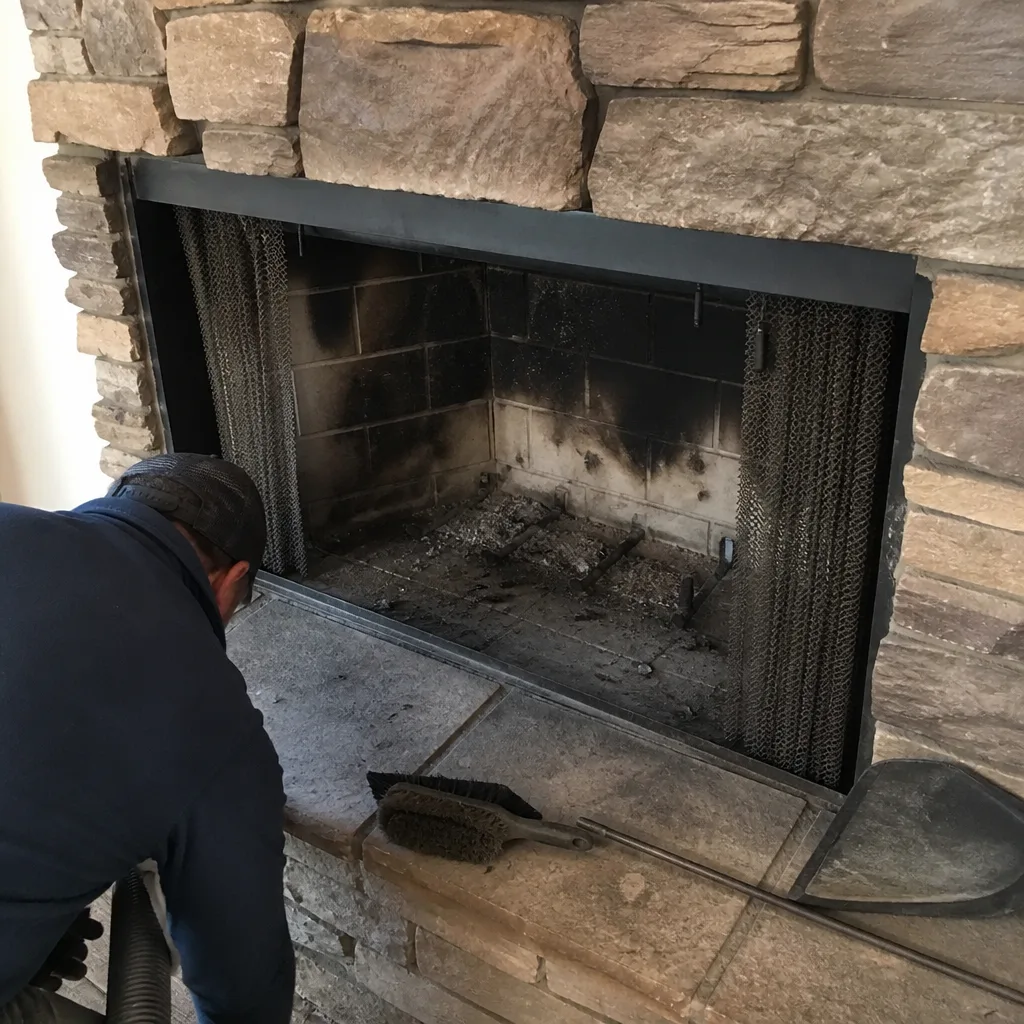 Before
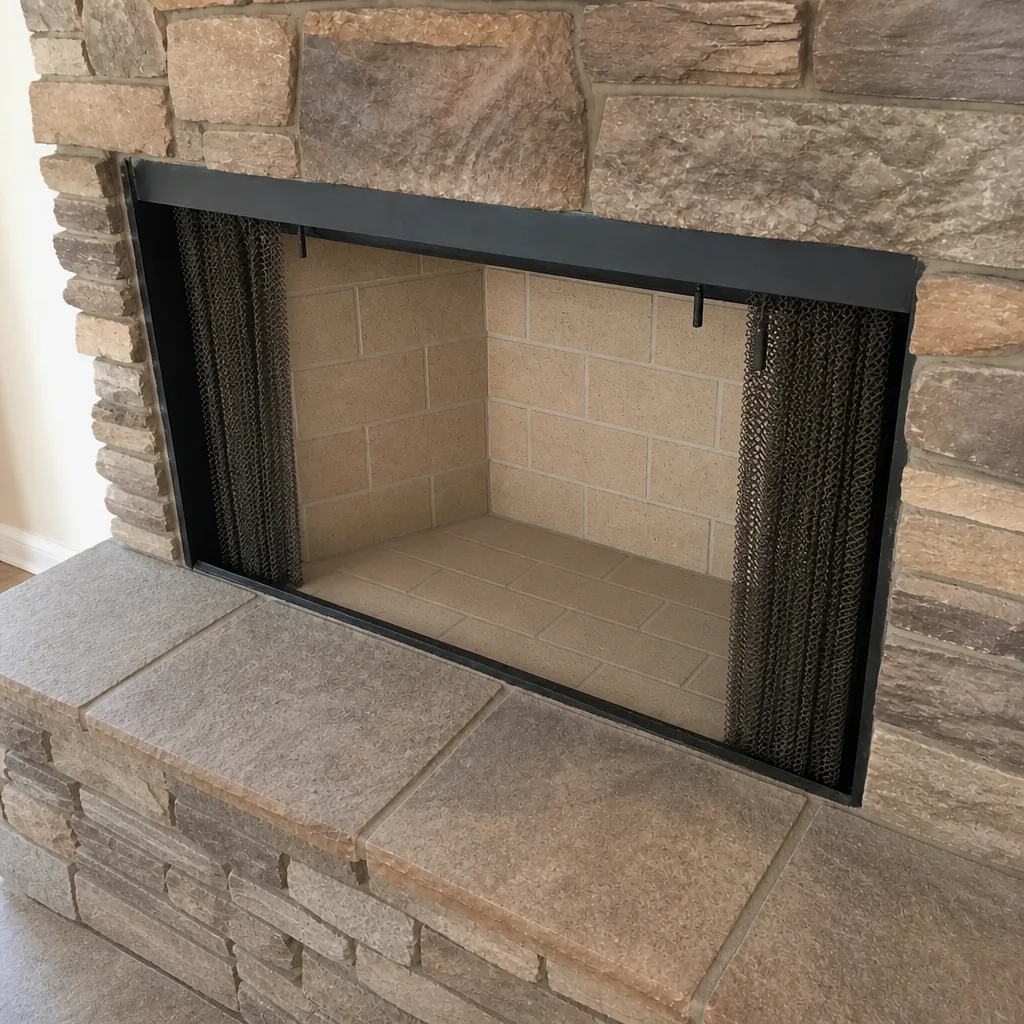 After
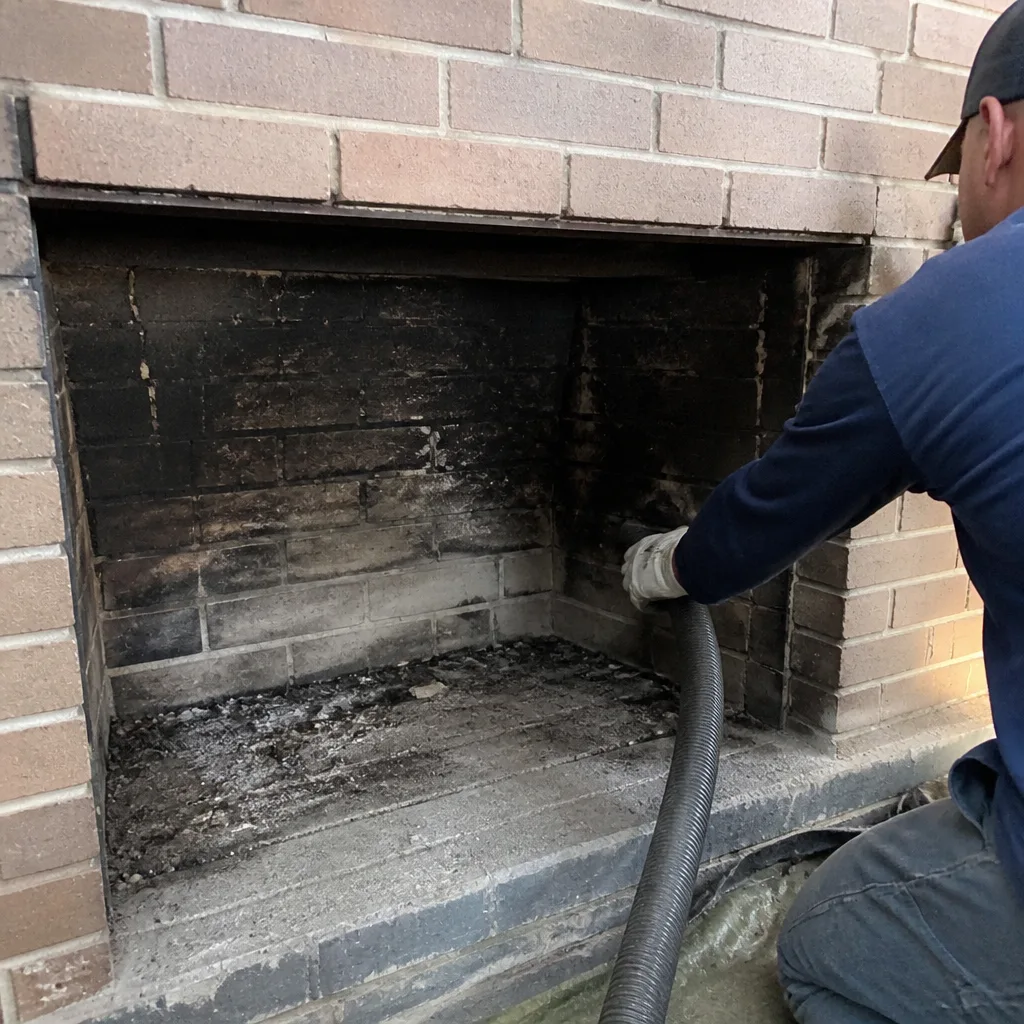 Before
 After
 Before
 After
When to Call a Professional
Call a professional when the chimney needs a structural evaluation – a crack in the liner, a crown that’s failing, a firebox with eroded mortar, or a fuel-type change that forces a Level 2 inspection. Call when you’re buying or selling a home and the chimney’s permit history is unknown, or when a sweep has recommended a reline and you need a documented second opinion before committing to that scope. Call when the cap is missing, when water is coming into the chase, or when a previous owner’s work has no paper trail. Our technicians have up to 9 years of experience, and Taylorsville Chimney Sweep offers free estimates in Taylorsville – call (833) 513-8777. We answer 24/7. Fast dispatch, 7am-7pm, Sunday through Friday. We’re closed Saturday. Each estimate is per job and set by the written scope, so the price you see is the price before work starts.
Frequently Asked Questions
No. Routine chimney cleaning and sweeping never require a permit in Taylorsville because they clear creosote without changing the structure of the chimney. The permit question only comes up when the sweep uncovers a repair – a cracked liner, a failing crown, or a firebox issue – that involves rebuilding part of the system. If a sweep recommends a structural repair, ask for the inspection report in writing before scheduling the work. Call (833) 513-8777 for an exact quote – estimates are free.
Liner relining, crown rebuilds, firebox reconstruction, chimney chase repairs, and any change to the flue’s dimensions or material typically require a building permit in Taylorsville. Cap replacement on an undamaged collar, minor mortar touch-ups, and annual inspections are maintenance and don’t. Confirm with the jurisdiction that governs your parcel, because the answer differs between incorporated Taylorsville and unincorporated Salt Lake County pockets. Call (833) 513-8777 if you need help determining which category your repair falls into – estimates are free.
Because a fuel-type change is one of the specific triggers under NFPA 211 for a Level 2 inspection. The flue that drafts correctly for wood may be incorrectly sized or lined for a gas appliance, and a gas appliance that drafts poorly can spill carbon monoxide into the home. The inspection verifies the flue’s condition, sizing, and liner suitability for gas before the insert is installed. Call (833) 513-8777 to book the inspection before your installer arrives – estimates are free.
The unpermitted work belongs to you now, and the remedy runs through a Level 2 inspection and a check of the permit history for the address. If the installation meets code, the permit office may allow it to be inspected and approved retroactively. If it doesn’t meet code-minimum, it has to be redone. If you’re selling, disclose the situation in writing. Call (833) 513-8777 to start the inspection – estimates are free.
Usually not, as long as the replacement cap goes onto an existing, undamaged collar. A cap replacement is maintenance. The permit question changes if the cap installation involves framing changes, a new crown, or anything that alters the chase structure. When in doubt, ask your building department, and have the installer confirm the cap matches the flue’s dimensions. Call (833) 513-8777 for a free estimate on a chimney cap installation.
Yes. After a fire loss, the adjuster typically requests the permit record and inspection report for any structural chimney work. If the liner installation was unpermitted and never inspected, the carrier can argue it wasn’t verified construction that met code, which has resulted in denied claims. The fix is to get the current installation inspected and documented before anything happens. Call (833) 513-8777 to schedule a Level 2 inspection – estimates are free.
The Bottom Line
The line between a sweep and a permit is the line between maintenance and construction, and it’s worth knowing before anyone recommends a repair. Routine cleaning in Taylorsville needs no permit. Liner relining, crown rebuilds, and firebox reconstruction almost always do, and the work has to meet Utah Residential Code Section R1001 and IRC Section R1003 standards for liner material and installation. A fuel-type change forces a Level 2 inspection under NFPA 211, and the jurisdiction that issues the permit depends on whether your parcel sits inside Taylorsville city limits or in an unincorporated Salt Lake County pocket. Verify that first. If a previous owner skipped the permit, a camera inspection and a permit-history check tell you exactly where you stand before a sale or a claim does. Our technicians have up to 9 years of experience working through this process on Taylorsville chimneys, and we specify purpose-built materials from HeatShield, Olympia Chimney, Gelco, and Famco so the installation survives the inspection.
Call (833) 513-8777 for a free estimate. We answer 24/7. Fast dispatch from 7am to 7pm, Sunday through Friday. We’re closed Saturday. The estimate is written per job, and the written scope sets the final price.
Written by the team at Taylorsville Chimney Sweep.