
Last updated November 24, 2026
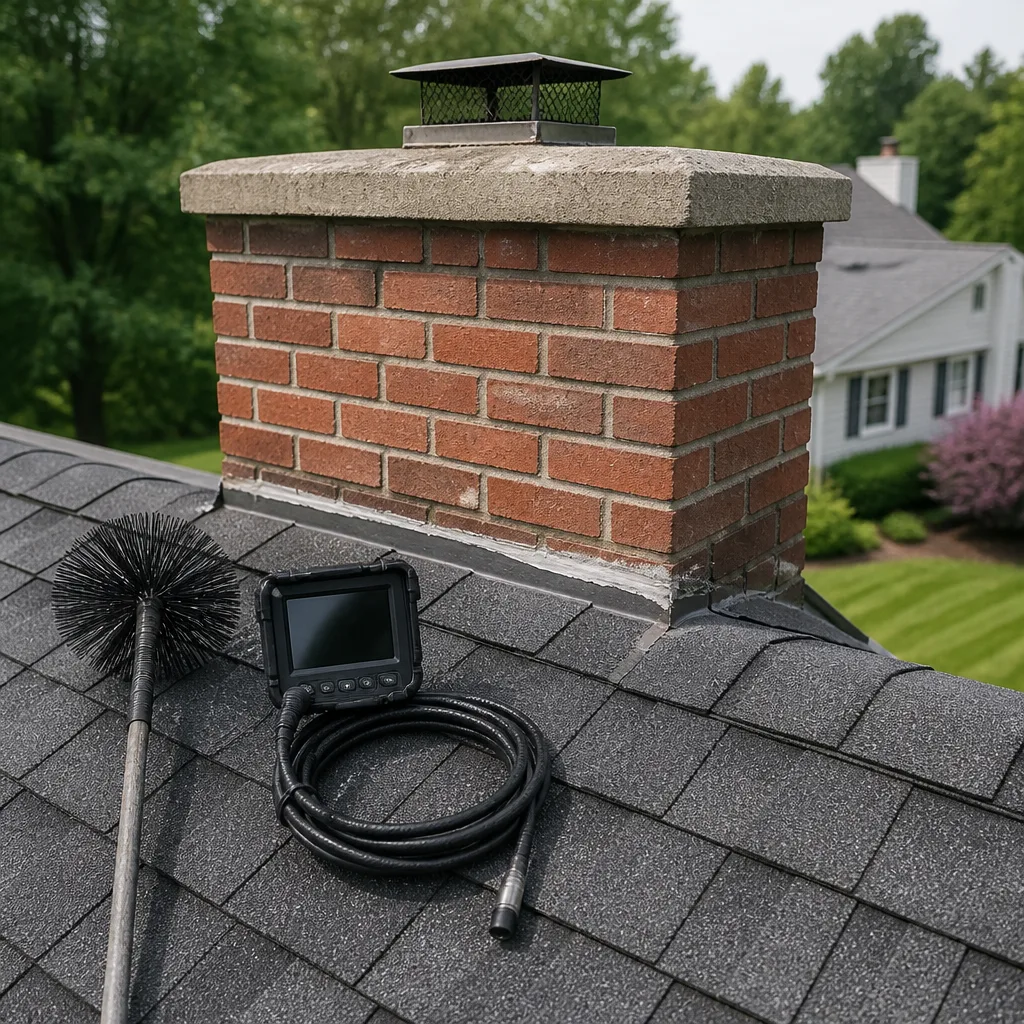 Sweep & inspection
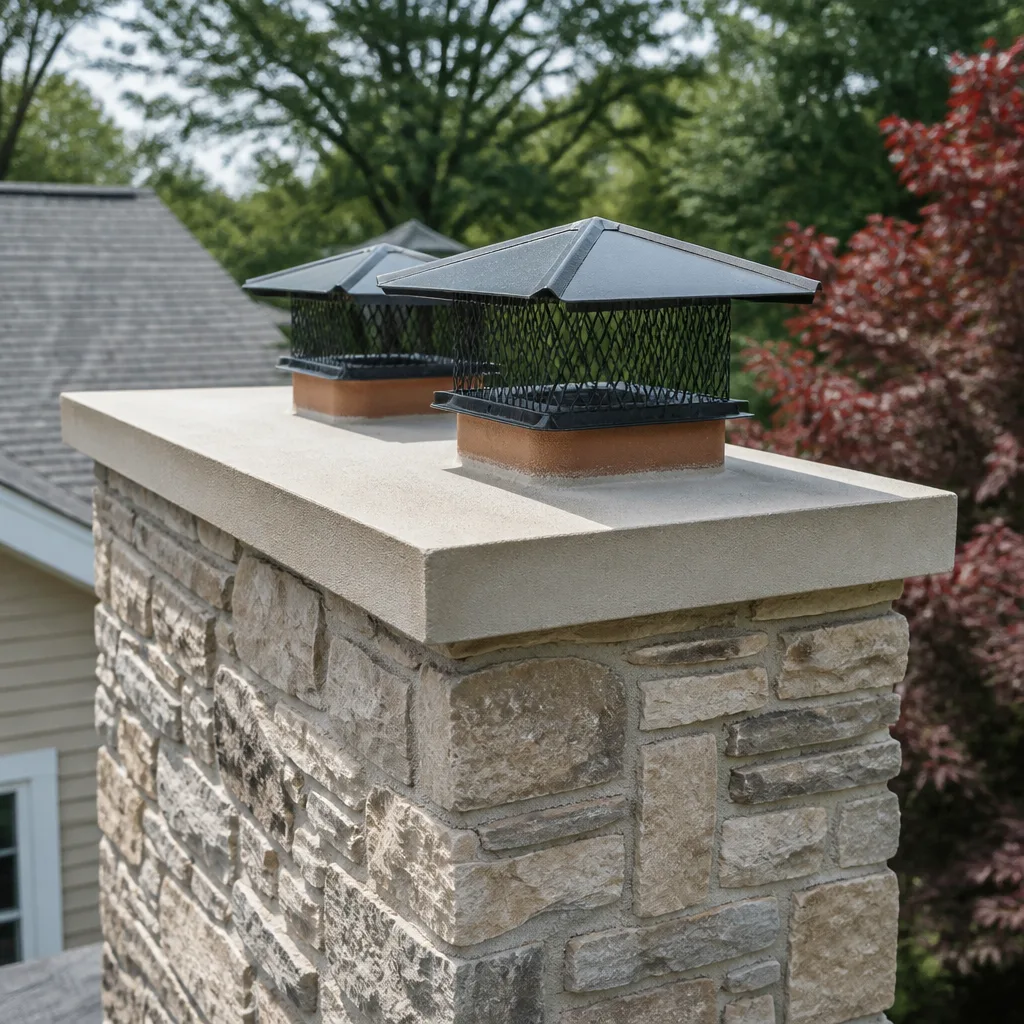 Caps & crowns
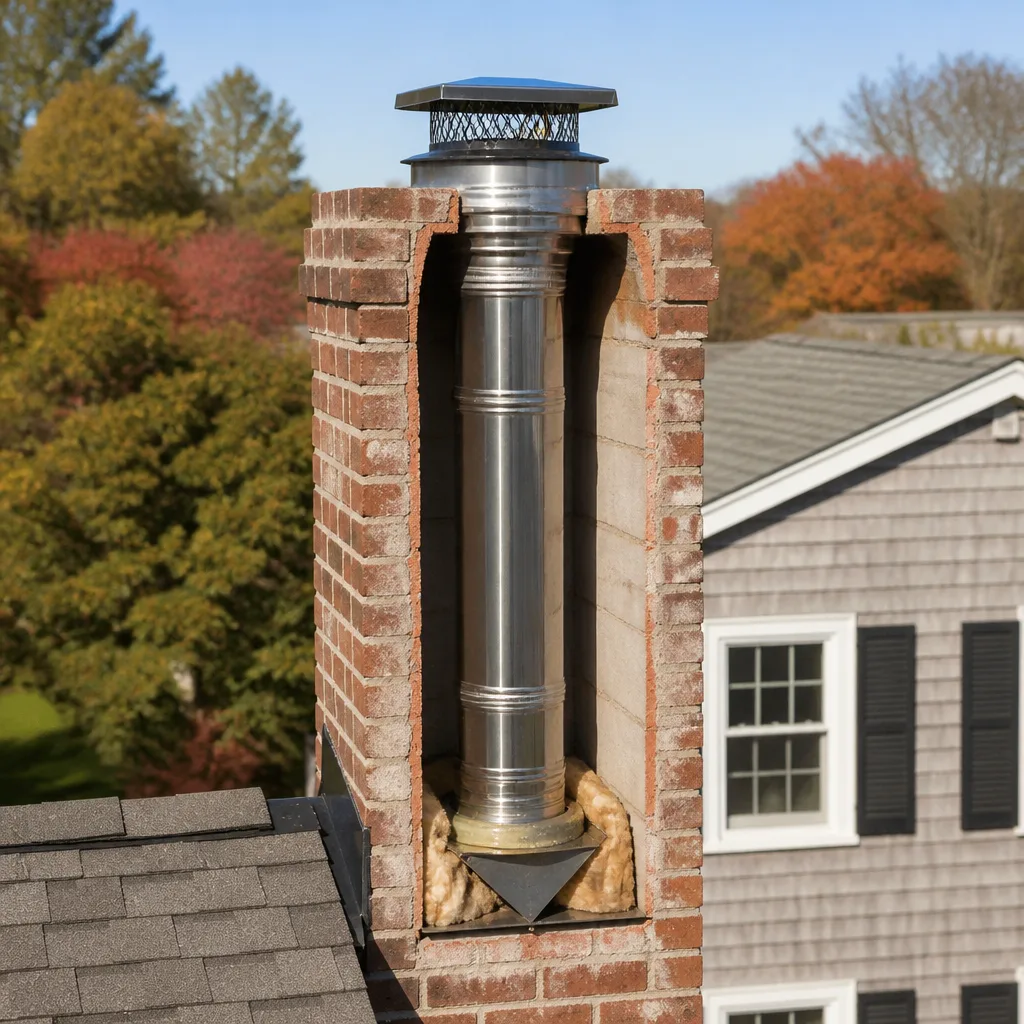 Flue relining
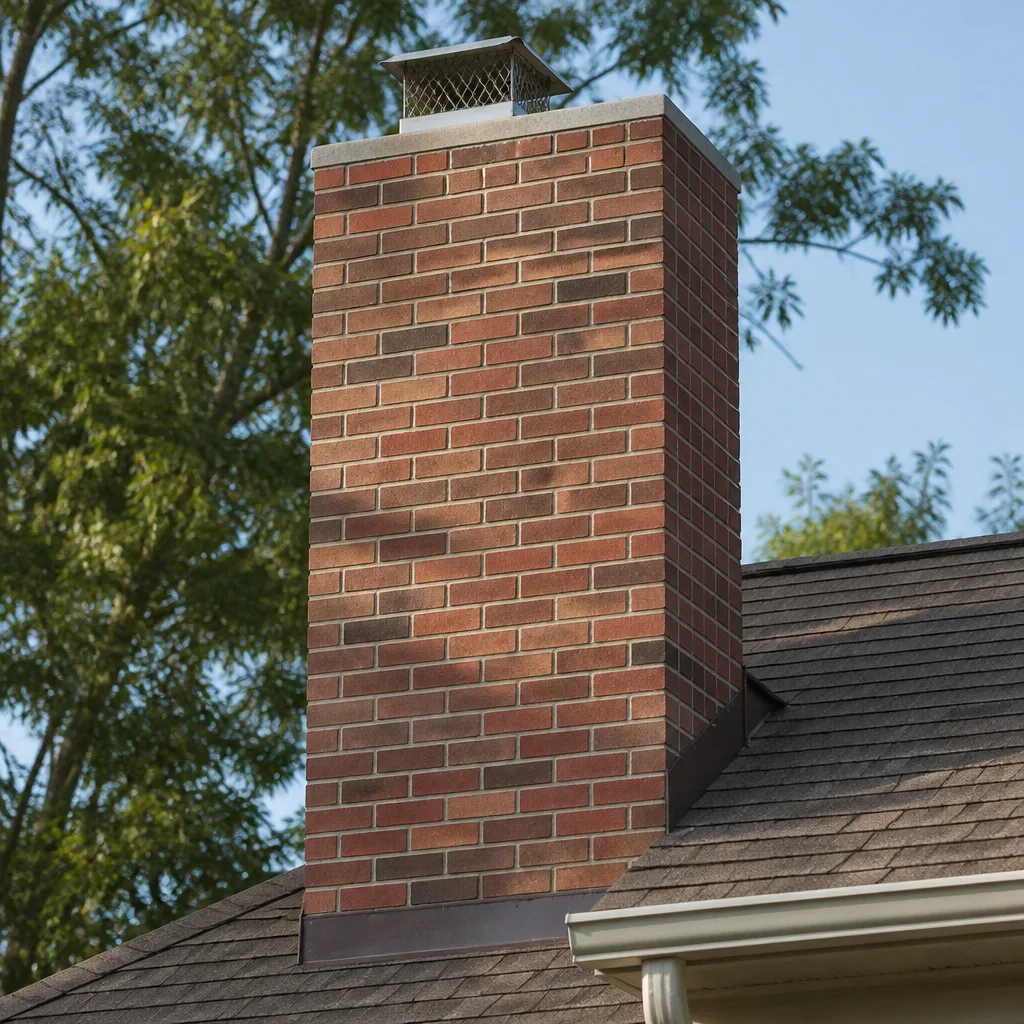 Masonry repair
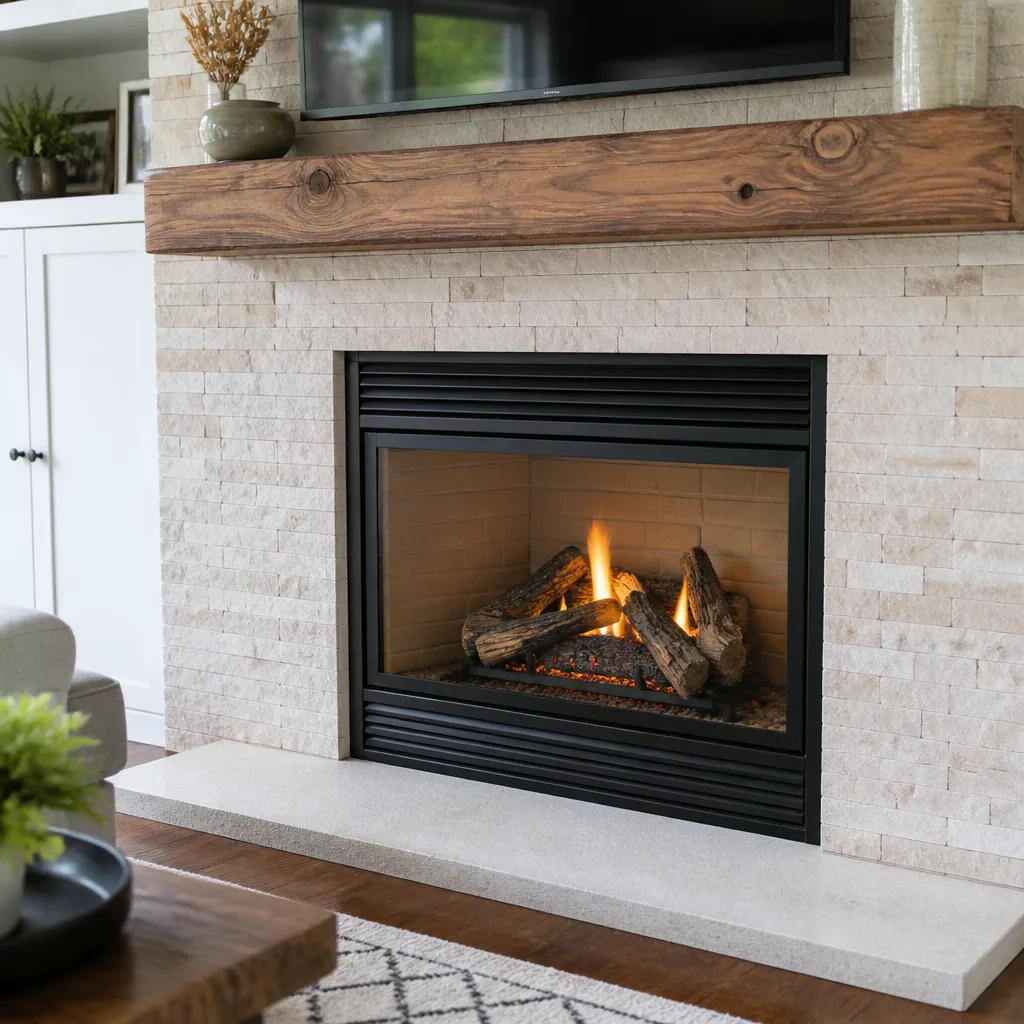 Gas fireplace service
Level 1 sweep and inspection to the NFPA 211 annual standard - flue, crown, cap, and flashing checked and photographed
Chimney sweep logs do not sweep chimneys. They loosen some creosote - which then falls where a brush and vacuum still have to collect it.
Chimney Cleaning Warning Signs: A Taylorsville Homeowner’s Reference Guide
Most homeowners expect a chimney problem to announce itself. A roar, a plume of smoke, a smell you can’t ignore. In our experience, that’s rare. The warning signs that matter most are quiet operational changes you’d only notice if you knew your own fireplace’s baseline: a damper handle that takes more effort, a faint petroleum edge to the smell, a chalky stain on the brick outside. This guide walks through the subtle indicators worth watching in Taylorsville, what each one points to, and how to tell a cosmetic quirk from a structural problem. Read it once now, and you’ll know what to look for all winter.
Quick Answer
The most reliable chimney cleaning and repair warning signs are: a sharp, petroleum-like odor instead of a normal residual smoke smell (possible glazed creosote), white chalky staining on the exterior brick (moisture getting past the liner or flashing), increased resistance on the damper handle (heat-warped steel), and small brick flakes collecting at the chimney base (spalling from freeze-thaw damage). Any one of these is a reason to book an inspection, not to wait for a bigger symptom.
Styles & brands we work with
- Sweep & inspection
- Caps & crowns
- Flue relining
- Masonry repair
- Gas fireplace service
Table of Contents
- Why Chimney Warning Signs Get Missed
- Draft Reversal vs. Backdraft in Taylorsville’s Valley Air
- Reading Creosote Odor: Residual Smell vs. Glazed Buildup
- What White Staining on Your Chimney Exterior Actually Means
- Reading Spalling Brick at the Chimney Base
- Damper Resistance and What Warped Steel Tells You
- Six More Signs Worth Checking
- Common Mistakes to Avoid
- When to Call a Professional
- Frequently Asked Questions
- The Bottom Line
Why Chimney Warning Signs Get Missed
Our technicians have up to 9 years of experience, and the pattern is consistent: the chimneys that turn into expensive repairs rarely started with a dramatic event. They started with a subtle change nobody logged. A homeowner in Taylorsville notices their fire feels a little lazier than it used to and chalks it up to wet wood. Or they catch a whiff of something sharp on a cold morning and assume it’s the neighbors. Six months later, a sweep reveals glazed creosote across the flue wall.
The reason these early signals get missed comes down to baseline. If you don’t know what a healthy fire looks like, sounds like, and smells like in your specific fireplace, you have nothing to compare against. Chimney problems don’t always announce themselves loudly. Slow-burn creosote fires can smolder quietly with little more than an unusual smell and a warm patch on the exterior masonry. Both are easy to overlook without a reference point.
The fix isn’t complicated. Know your baseline. Then track deviations from it.
What “Baseline” Actually Means
Baseline is four things:
- Draft speed. How quickly smoke pulls up the flue after you light a fire.
- Smell. The normal faint smoke odor that lingers in a chimney that has been used, versus something sharper.
- Damper feel. How smoothly the damper handle operates and where the “open” position sits.
- Exterior appearance. The color and texture of the brick around the chimney base, the crown, and the cap.
Write these down once, or just spend one fire paying attention. From there, any change is information. When we arrive for a chimney sweep, we’re comparing what we find against what should be there. The more you know about your own baseline, the more precisely you can describe what changed and when.
Draft Reversal vs. Backdraft in Taylorsville’s Valley Air
Smoke in the room is one of the most misread symptoms in this region. Two different failure modes produce it, and they get diagnosed very differently. Draft reversal is the chimney pulling air down instead of up. Backdraft is a puff of smoke escaping into the room while the chimney fights to establish upward flow. Getting these mixed up means fixing the wrong thing.
Quick Answer (Draft)
Draft reversal happens before you light the fire and is often tied to cold, dense air sitting in the flue or outdoor pressure higher than indoor pressure. Backdraft is a brief reversal that occurs at ignition or during operation. In Taylorsville, both are more common during winter inversion conditions when the valley traps cold air and the pressure gradient flattens.
How to Tell Them Apart
- Watch the pre-light behavior. If you hold a lit match or a piece of incense near the open damper and the smoke drifts down into the room rather than up and out, that’s a cold flue or pressure problem, not a blockage.
- Watch the ignition moment. If the fire lights cleanly but a puff of smoke escapes when you close the glass doors or add a log, that’s backdraft tied to the timing of pressure changes inside the firebox.
- Watch the steady burn. If the fire burns fine and smoke only appears when the wind gusts or when another exhaust fan (bath fan, kitchen vent, dryer) turns on, that’s a household pressure issue, not a chimney defect.
Taylorsville’s location in the Salt Lake Valley means winter inversions are a normal seasonal feature, not an oddity. Cold, heavy air settles in the valley and creates pressure profiles that some chimneys handle fine and others don’t. A home that drafts cleanly on a normal night may spill on a deep inversion night. That’s not an emergency, but it’s worth an inspection to confirm the flue is sized correctly for the appliance and the cap isn’t restricting flow. We look at all of that during a proper evaluation.
Reading Creosote Odor: Residual Smell vs. Glazed Buildup
Every chimney that has been used carries a smell. Wood smoke leaves traces in the masonry, and on a warm day with the damper closed, that residual smell can waft down. This is normal. The sharp, petroleum-like odor that signals Stage 2 glazed creosote is different, and once you’ve smelled it, you won’t confuse the two.
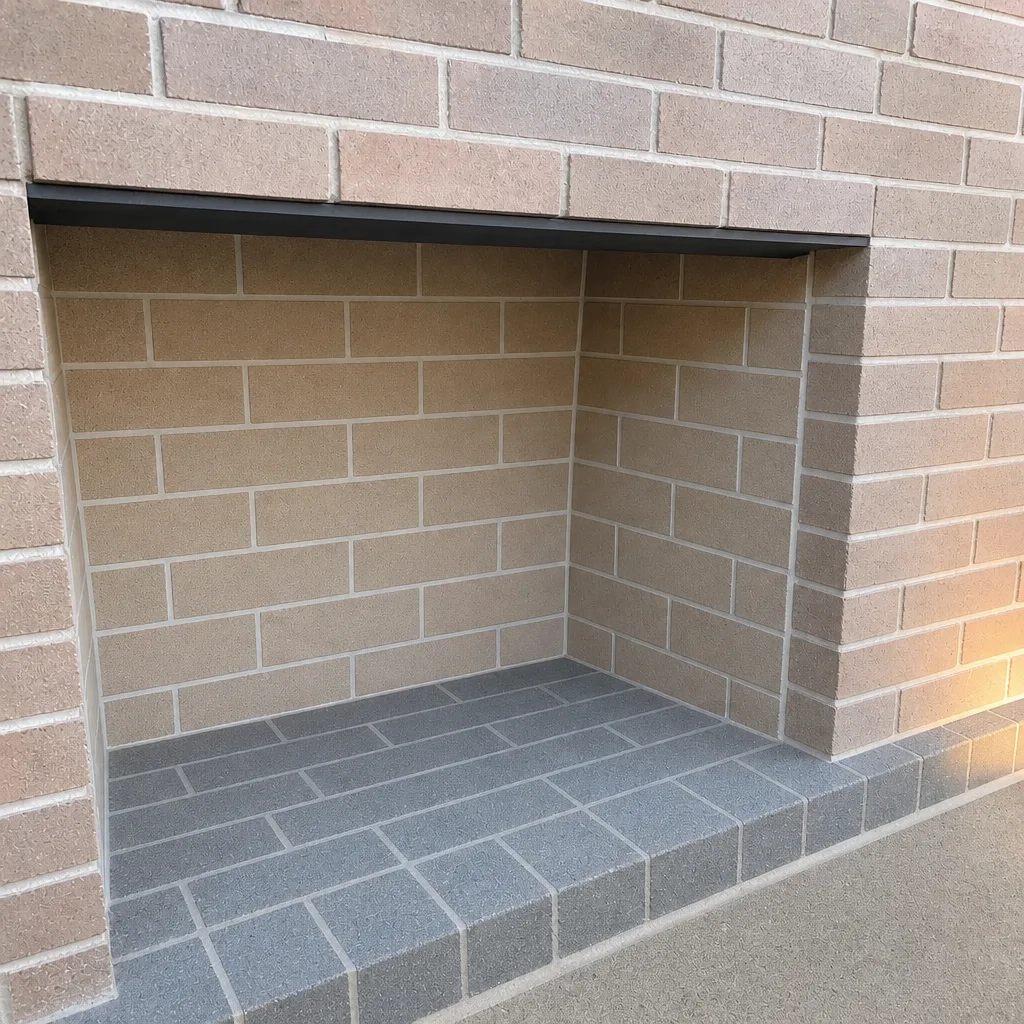
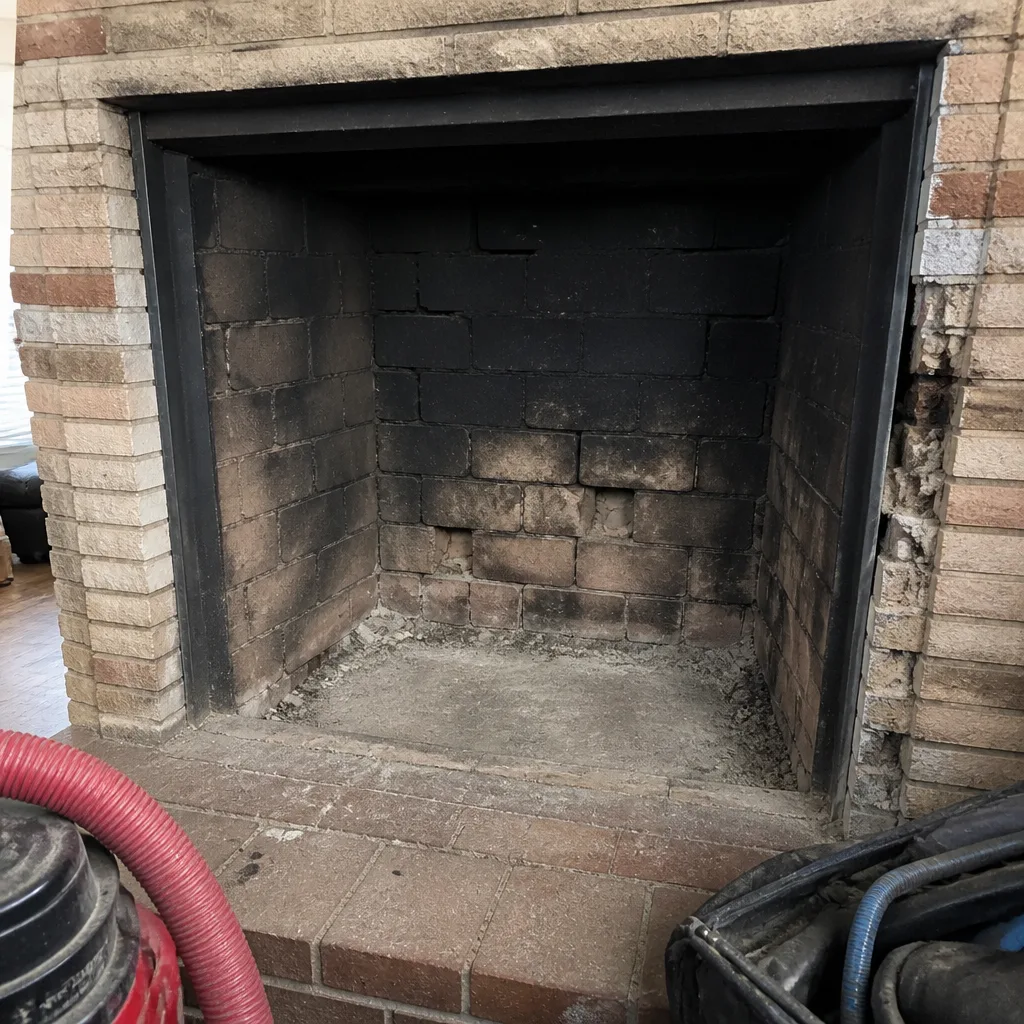
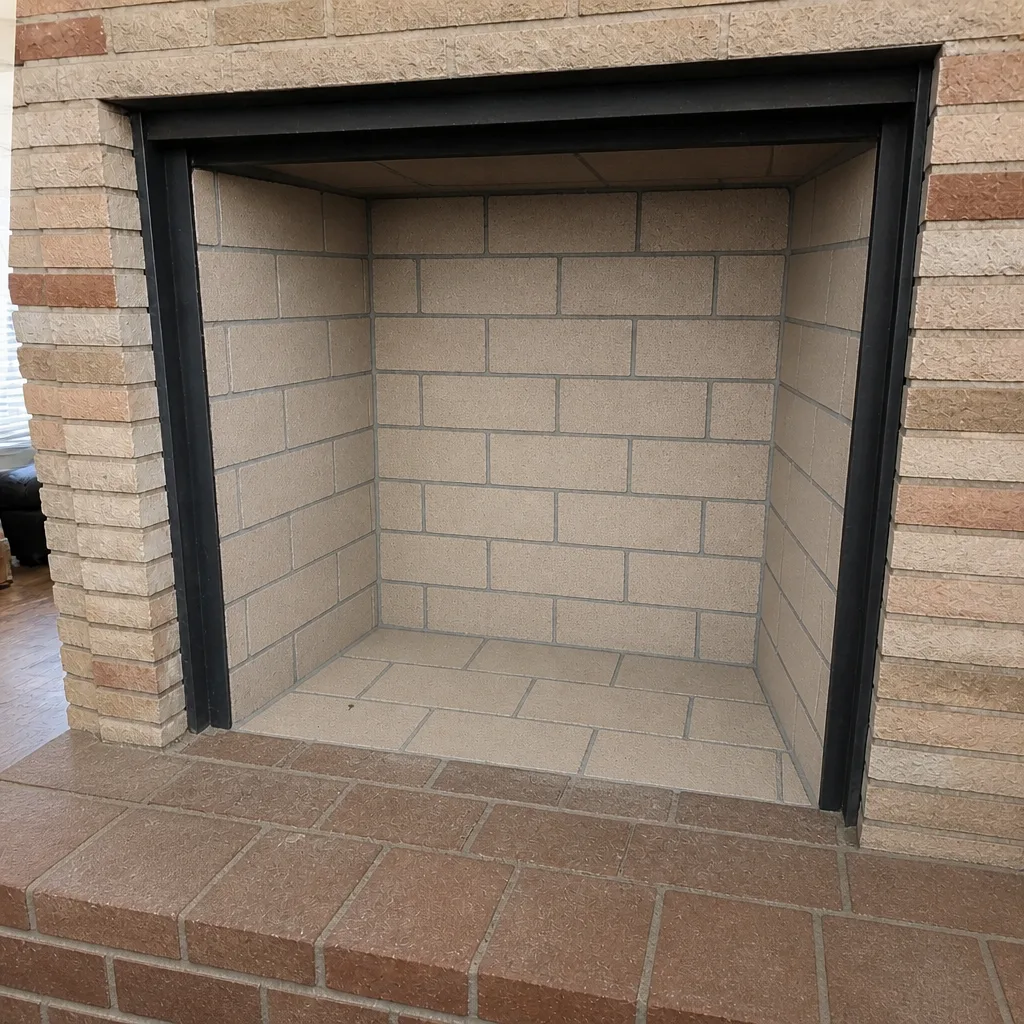
See the difference
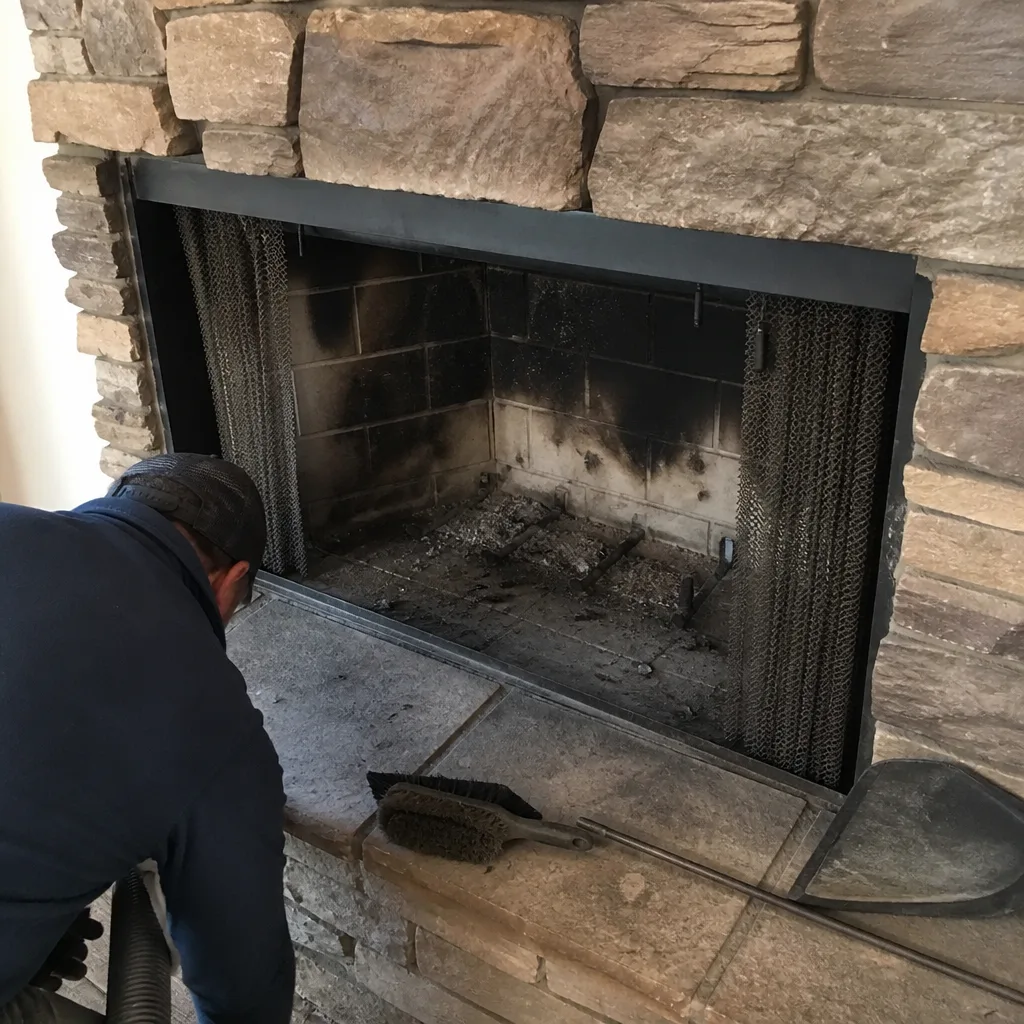 Before
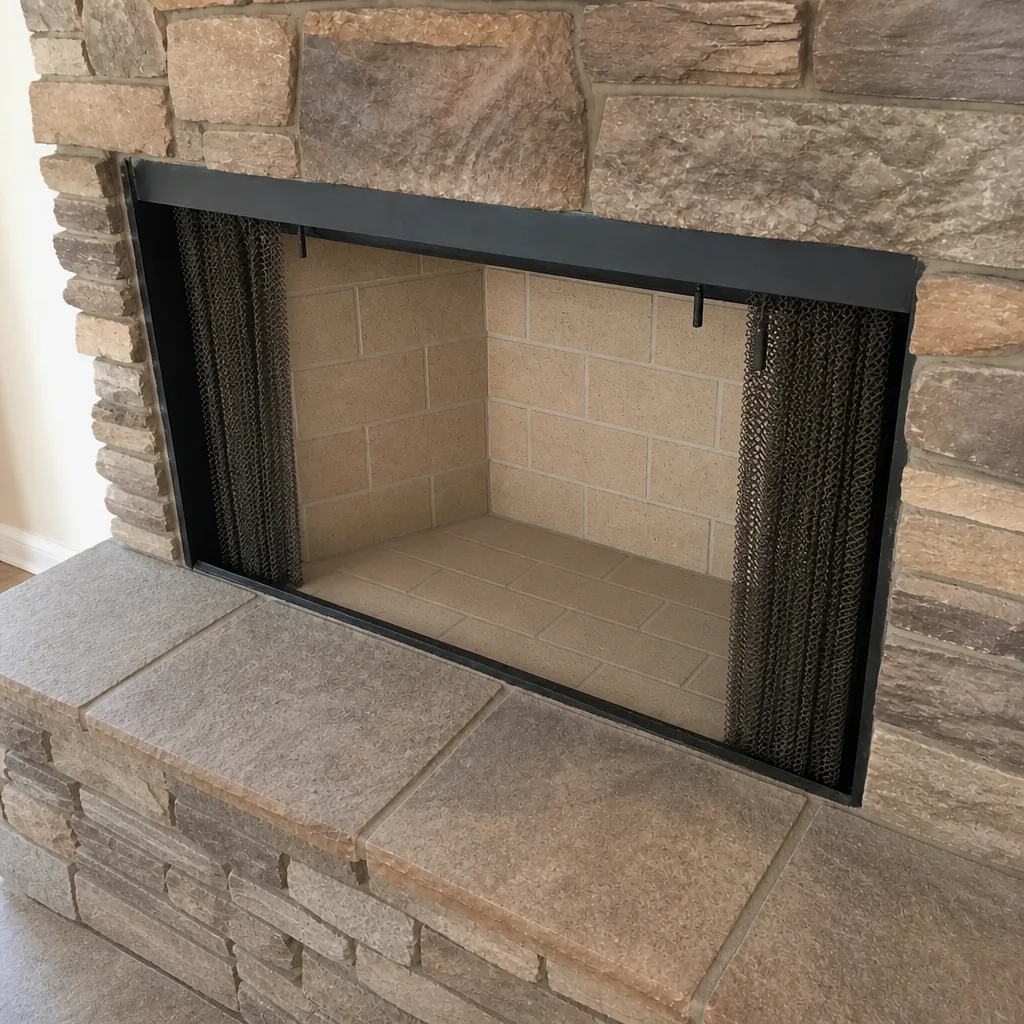 After
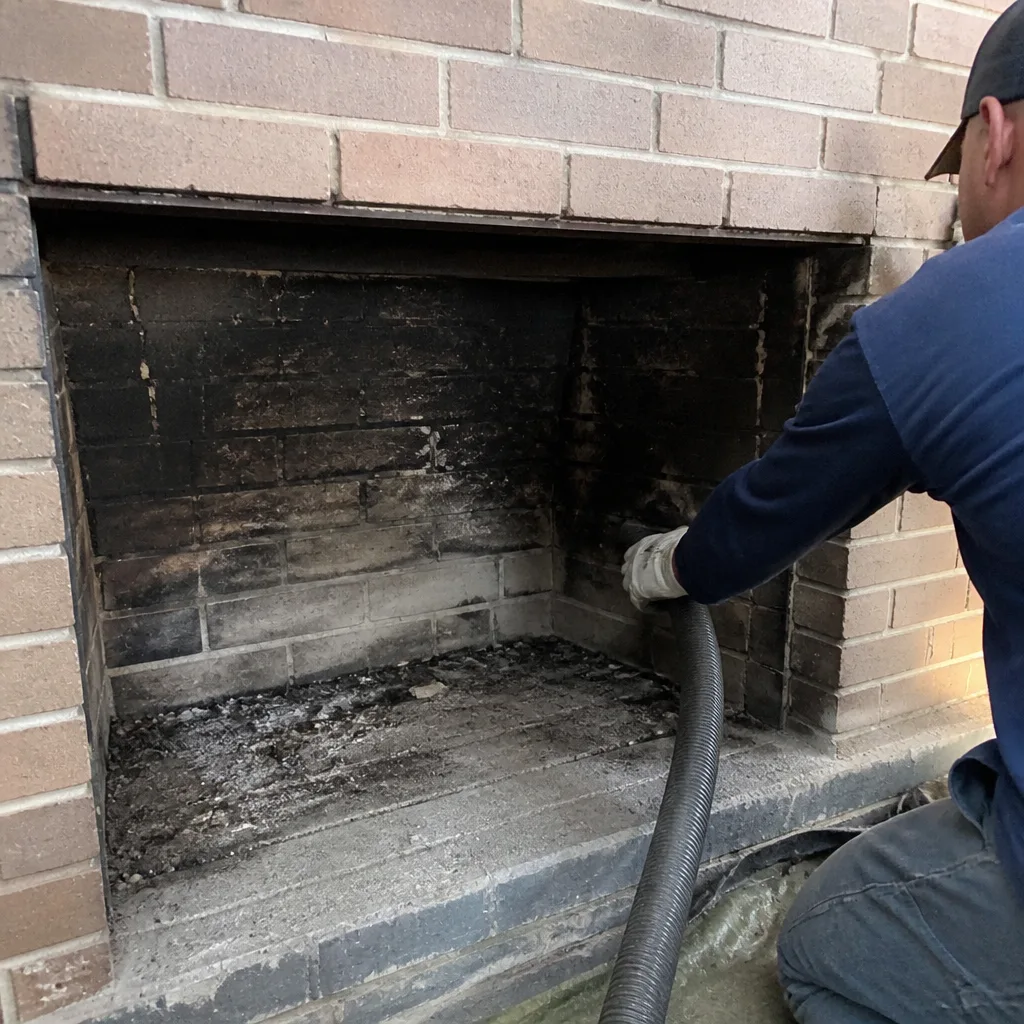 Before
 After
 Before
 After
Quick Answer (Odor)
Residual smoke smell is earthy and disperses within an hour or two when you air the room out. A sharp, acrid, or petroleum-tinged smell that persists, especially on warm days when the fire isn’t burning, suggests glazed creosote that has hardened on the flue wall and needs professional removal.
Creosote Stages and What They Smell Like
Creosote builds up in three recognized stages:
- Stage 1: Soot and light flake. Dusty, brushes away easily. Smells faintly like an old campfire. This is what a routine annual sweep removes.
- Stage 2: Crusty, hardened deposit. Often black and glistening. Produces a distinctly sharp, tarry, petroleum-like odor when it’s present in volume. This is where a normal brush struggles and where creosote becomes a fire risk.
- Stage 3: Glazed, hardened coating. Looks like a shiny varnish on the flue wall. Very hard, very flammable, very difficult to remove without specialized equipment. The odor is strong and persistent.
If your fireplace produces a sharp smell even when it hasn’t been used in a week, or if you notice the odor even in warm weather, that’s the sign. It usually means Stage 2 or Stage 3 buildup has accumulated enough that the flue itself has shifted its chemistry.
In our experience, this is also where homeowner perception matters. A faint residual smell after a fire is not a reason to call. A sharp smell that hangs around is. One is cosmetic. The other is fuel sitting on the flue wall.
What White Staining on Your Chimney Exterior Actually Means
White, chalky staining on the outside of the chimney is one of the most skipped warning signs, and one of the most informative. It’s called efflorescence, and it happens when moisture moves through masonry, dissolves water-soluble salts, and deposits them on the surface as the water evaporates. The stain itself is not the problem. The moisture source is.
Quick Answer (Efflorescence)
Efflorescence on a chimney exterior points to water getting into the masonry. That water can come from a failed crown, a cracked cap, deteriorated flashing where the chimney meets the roof, or a compromised liner that’s letting water in from the top. It’s a moisture-failure indicator, not a cosmetic stain to be scrubbed and forgotten.
What to Look For
- Stain location. Staining lower on the chimney suggests water coming down from the top. Staining higher up, near the roofline, points to flashing or crown failure.
- Stain pattern. Broad, even staining across a face is different from a concentrated vertical streak. The streak usually traces the path of the water.
- Return after cleaning. Efflorescence that reappears within weeks of being cleaned means the moisture source isn’t fixed.
- Interior signs. Look at the chimney breast inside the home. Rust on the damper, damp patches on the surrounding drywall, or a white bloom at the baseboard suggest the same water source.
- Crown condition. A cracked or spalled crown is one of the most common water entry points. If the crown has visible gaps, water is finding a way in.
During a proper inspection, we trace the moisture back to its source. Sometimes it’s a straightforward crown repair. Sometimes it’s the flashing. Occasionally it’s a liner failure that’s letting condensation build where it shouldn’t. Each of those calls for a different fix. Scrubbing the white stain and painting over it fixes nothing.
Reading Spalling Brick at the Chimney Base
Small flakes of brick collecting at the base of the chimney are easy to sweep up and forget. They shouldn’t be. Spalling is what happens when water gets inside the brick, freezes, expands, and pops a piece of the brick face off as it thaws. In a climate with true winter freeze-thaw cycles, spalling is common on older chimneys, and the rate at which it’s happening tells you a lot.
Quick Answer (Spalling)
Spalling brick at the chimney base signals freeze-thaw damage to the masonry. The volume of debris and how quickly it accumulates are the diagnostic clues: a small amount of flaking may be minor surface deterioration, while a steady accumulation points to a moisture problem that’s actively breaking down the brick.
How to Read the Debris Pattern
The debris pattern at the chimney base is genuinely diagnostic if you read it correctly.
- A few flakes once a season. Likely surface weathering on older brick. Worth noting but not urgent.
- A thin layer accumulating across the fall and winter. Active freeze-thaw damage. Moisture is getting in. Inspect the crown and cap.
- Large chips or chunks of brick face. Advanced spalling. The brick’s protective outer layer is failing, and the masonry is losing structural mass.
- Fresh debris after a hard freeze. Confirms the freeze-thaw cycle is driving the failure. The faster this repeats, the faster the deterioration.
Taylorsville sits in a climate that alternates between freeze and thaw through much of the winter. That cycle is what makes spalling progress. Each freeze pushes a little more water outward; each thaw pops another flake. A brick chimney that was holding its own in autumn can look noticeably worse by February.
If you see spalling combined with white staining, treat it as a moisture problem that needs a proper diagnosis. We look at the crown, the cap, the flashing, and the liner together to see where water is entering. Repointing the brick without fixing the water source just resets the clock.
Damper Resistance and What Warped Steel Tells You
The damper handle is one of the best early warning devices on a fireplace, and most homeowners never think about it. A damper that used to swing open in one motion and now takes two hands, or feels gritty, or won’t fully close without pressure, is telling you something about the firebox.
Quick Answer (Damper)
A damper that takes noticeably more effort to operate often has heat-warped steel. Repeated heat cycling warps the damper plate and the frame it seats into, and the loss of a flat seal reduces draft efficiency even when the damper is “open.”
Why Damper Resistance Matters
The damper is a steel plate that controls airflow. When it’s working correctly, it opens fully, seats flat when closed, and never binds. Repeated heating and cooling warps the plate. Once it warps, the seal against the frame is compromised, and the fireplace becomes leaky even when it should be sealed.
- Increased handle effort. Warping or carbon buildup on the pivot points.
- Partial closure. The damper plate hits the frame before seating fully. Air leaks through year-round, even when there’s no fire.
- Rattling. A loosely seated damper that shifts with drafts.
- Difficulty opening from cold. Warped plates sometimes stick when cold. Consistent difficulty means the plate is no longer flat.
Heat-warped dampers are a known failure point on fireplaces that get heavy use. When we see one, we typically recommend a proper replacement, sized to the opening. Fireplace repair at the damper level is usually a straightforward job, and it pays you back in draft efficiency every fire you light afterward.
Six More Signs Worth Checking
Beyond the five main indicators above, there are several more worth watching. These don’t each demand an inspection on their own, but combined with anything above, they raise the case.
- Smoke stains on the firebox face and above the opening. Smoke that escapes the firebox leaves a trail. If the trail is new or spreading, the draft or damper is losing performance.
- A black or unusually dark cap and top plate. Heavy soot at the cap level suggests the fire is producing more smoke than the flue can carry away cleanly.
- Cracked or missing cap mesh. A cap without proper mesh invites birds, squirrels, and debris into the flue. That’s a blockage risk and a fire risk.
- A noticeable draft coming down when the fireplace is closed. This usually means the damper isn’t sealing or the flue is open to outside air. That’s an efficiency problem and a source of cold air in the room.
- Creosote dripping from the firebox throat. If you can see tar-like buildup where the firebox meets the flue, Stage 2 creosote is already present and needs professional removal.
- A hollow sound when you tap the exterior brick. Hollow brick means the masonry has separated internally, usually from freeze-thaw damage. Worth an inspection before winter.
If you’ve noted more than two items on this list, book an evaluation. Our Taylorsville Chimney Sweep team covers sweep, inspection, repair, and cap and crown work in one visit when possible, so nothing gets held up by waiting on another contractor.
Common Mistakes to Avoid
- Waiting for smoke in the room before booking an inspection. Smoke in the room is a late-stage symptom. The early signs (odor, damper, exterior staining) are far more useful. Waiting means the diagnosis gets more expensive.
- Burning “creosote-log” products to fix Stage 2 or Stage 3 buildup. Chemical logs can help with light soot, but they don’t remove glazed creosote from a flue wall. The buildup has to come off with proper tools and, in stubborn cases, with specialized ceramic resurfacing.
- Scrubbing efflorescence off and calling it resolved. The white stain is the messenger. The moisture source is still active. If you don’t find the crown, cap, or flashing failure, the stain returns and the masonry keeps deteriorating.
- Repointing spalled brick without fixing water intrusion. Repointing seals the outside face; it doesn’t stop water from entering through the crown, cap, or flashing. The new mortar fails within a few seasons.
- Assuming a gas fireplace doesn’t need inspection. Gas appliances produce moisture and require venting checks too. A cracked or blocked flue on a gas fireplace carries its own risks.
- Skipping the cap because it’s “just cosmetic.” The cap is the first line of defense against rain, snow, birds, and debris. A damaged cap lets water into the flue and lets animals nest in it.
- Treating a sharp smell as normal wood smoke odor. A petroleum-like smell means glazed creosote is present, and that’s a fire hazard. Book a sweep.
When to Call a Professional
Book an inspection today if you can smell glazed creosote across the room when there’s no fire, if your damper has become difficult to operate, if you’ve seen white staining or spalling that’s new this year, or if your fire sputters on inversion nights in a way it didn’t last winter. Any one of those is enough. The point of an inspection is to catch a fixable issue while it’s still fixable – before it turns into chimney repair at the structural level or a flue that needs a full reline.
Taylorsville Chimney Sweep offers free estimates in Taylorsville – call (833) 513-8777. We answer 24/7. Fast dispatch from 7am to 7pm, Sunday through Friday.
On the repair side, we install and work with products from DuraFlex, Olympia Chimney, HeatShield, Gelco, Famco, and Copperfield. That matters when a diagnosis turns into a repair: an offset flue that fails rigid liner inspection typically gets a DuraFlex flexible liner; a damaged liner section that’s still structurally sound gets HeatShield ceramic resurfacing rather than a full reline; caps and ventilation hardware get sourced from manufacturers who build to chimney-specific dimensions, not general-purpose hardware.
Frequently Asked Questions
Once a year for most wood-burning fireplaces. If you burn heavily or burn unseasoned wood, twice a year is safer. Taylorsville homes on wood heat through the winter often accumulate creosote faster than a fireplace used occasionally, so annual inspection with a sweep built in is the safer default. Call (833) 513-8777 for an exact quote – estimates are free.
Yes, because the signs that matter most aren’t visible from the room. Glazed creosote, cracked liner sections, and early crown damage are often invisible without a camera and a trained eye. Annual inspection is how you catch a $200 fix before it becomes a several-thousand-dollar repair. Call (833) 513-8777 to book one – estimates are free.
A sharp, petroleum-like odor that lingers when there’s no fire usually means glazed creosote, Stage 2 or Stage 3. Residual smoke smell is earthy and fades; the sharp smell is a signal that buildup has hardened on the flue wall. Call (833) 513-8777 to schedule a sweep and inspection – estimates are free.
Yes, though it’s not urgent in the same way a creosote fire hazard is. Efflorescence means water is moving through the masonry and the source deserves identification: crown, cap, flashing, or liner. Left alone, it accelerates freeze-thaw damage to the brick. Call (833) 513-8777 for a diagnosis – estimates are free.
Because inversions change the pressure profile outside, which some flues handle better than others. A chimney that drafts fine on a normal cold night but spills on a deep inversion night is typically dealing with a size, cap, or household-pressure issue – not a blockage. An inspection confirms which. Call (833) 513-8777 to schedule one – estimates are free.
Yes. A damper that takes more effort than it used to usually has heat-warped steel, and a warped damper no longer seals flat, which reduces draft efficiency every fire. The fix is typically straightforward and the diagnosis takes minutes during a normal sweep. Call (833) 513-8777 – estimates are free.
Yes. Gas fireplaces still need venting checks and annual inspection, and moisture from a gas appliance can degrade a flue in ways wood fires don’t. The signs are similar – exterior staining, unusual odor, draft changes – and the diagnostic process is the same. Call (833) 513-8777 for details – estimates are free.
Creosote continues to accumulate, and once it reaches Stage 2 or Stage 3, it can ignite. A slow-burn creosote fire often goes unnoticed until it has damaged the flue or surrounding masonry. Skipping routine sweeps also means small problems – a hairline crown crack, a damper that won’t seat – have a longer run before anyone catches them. Call (833) 513-8777 to schedule – estimates are free.
The Bottom Line
The most reliable chimney warning signs are quiet: a sharp smell instead of residual smoke, white staining on the exterior brick, small brick flakes at the base, a sticky damper, and draft that only fails on the coldest inversion nights. Each one points at a specific part of the system, and each one is fixable when caught early. In Taylorsville, the combination of winter freeze-thaw cycles and valley inversions makes those signals show up faster than in milder climates. Watch your baseline, note any change, and book an inspection the moment two or more signs show up together. The cost of an inspection is always less than the cost of waiting.
Call (833) 513-8777 for a free estimate. We answer 24/7. Fast dispatch from 7am to 7pm, Sunday through Friday.
Written by the team at Taylorsville Chimney Sweep.