
Last updated November 24, 2026
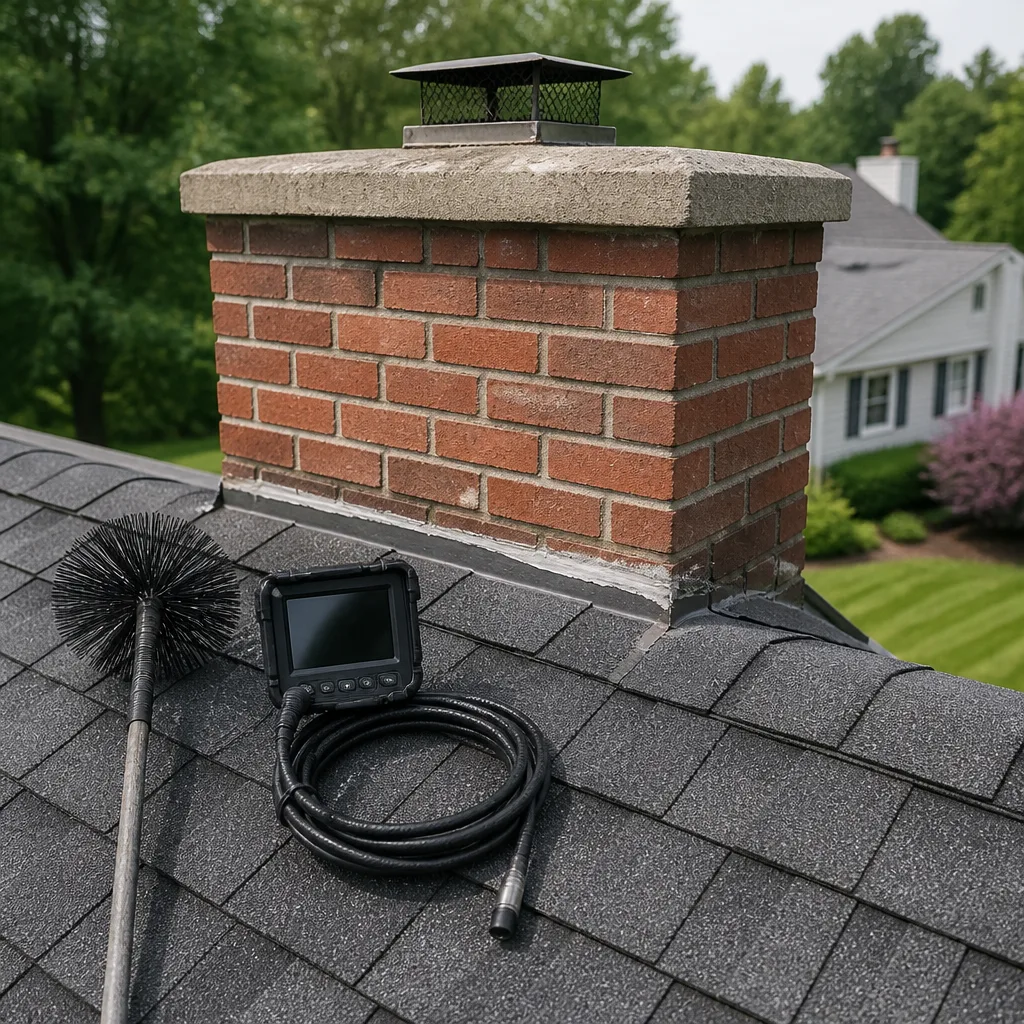 Sweep & inspection
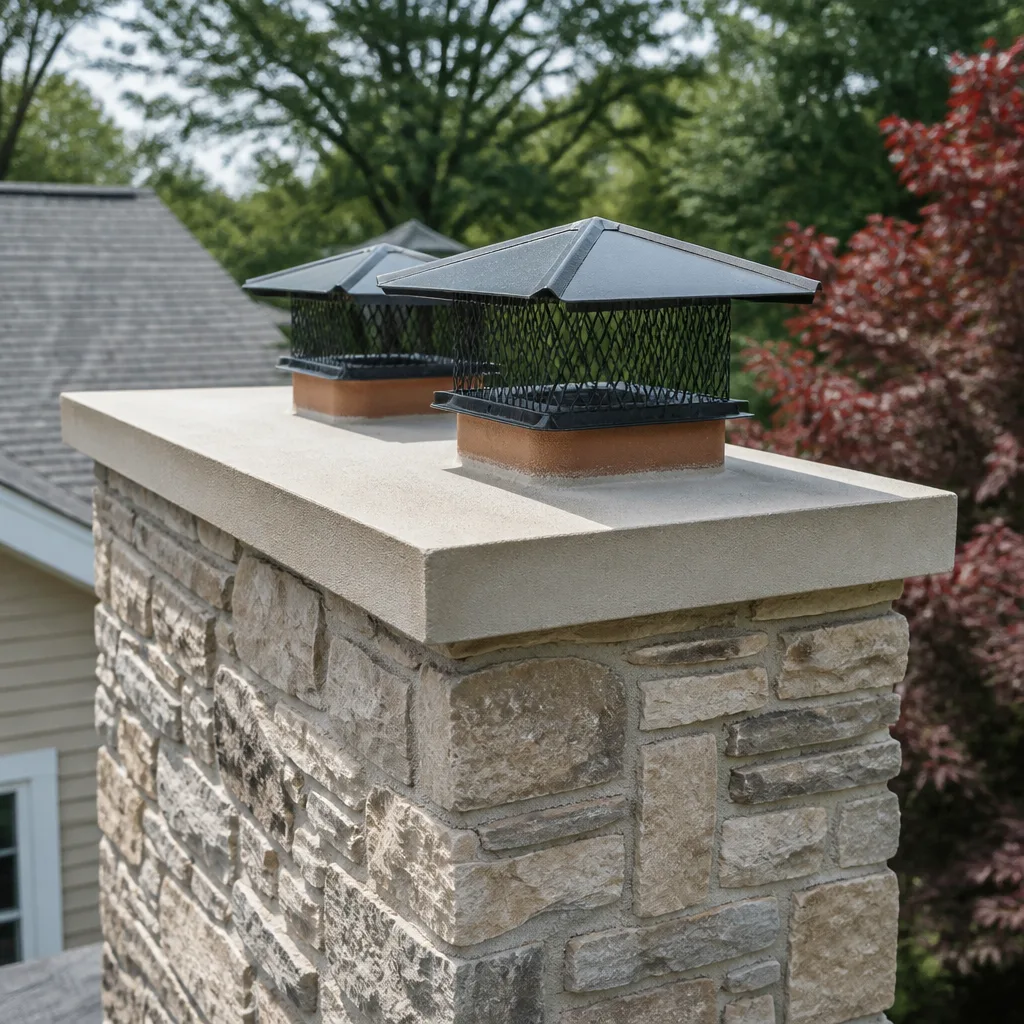 Caps & crowns
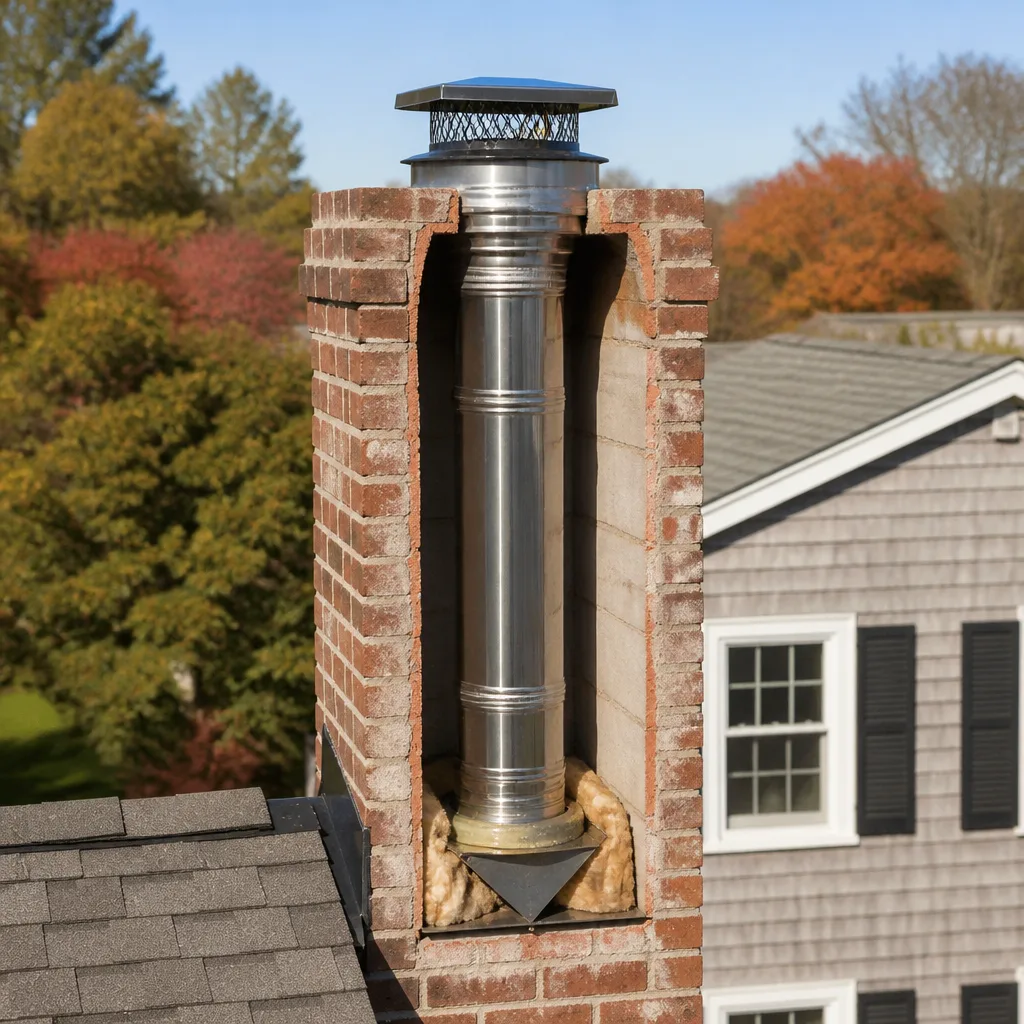 Flue relining
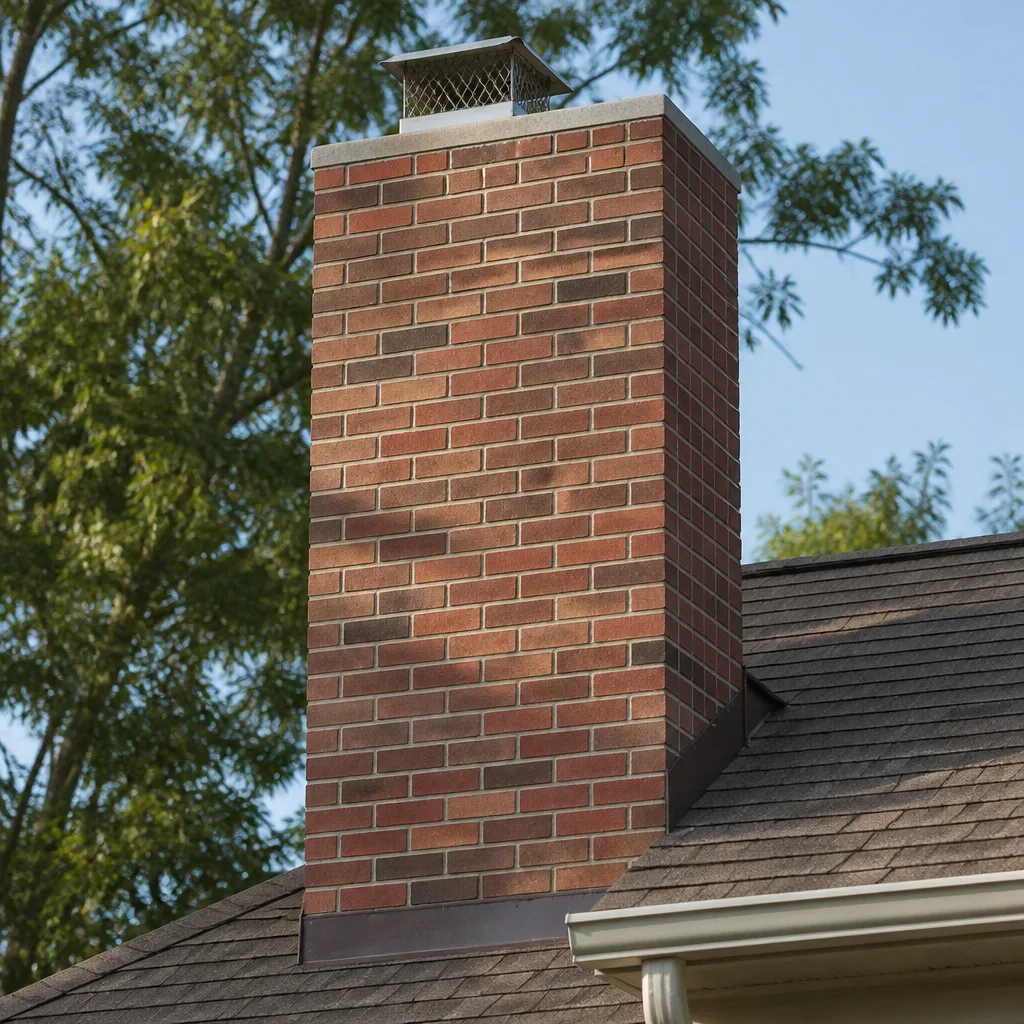 Masonry repair
 Gas fireplace service
Level 1 sweep and inspection to the NFPA 211 annual standard - flue, crown, cap, and flashing checked and photographed
Chimney sweep logs do not sweep chimneys. They loosen some creosote - which then falls where a brush and vacuum still have to collect it.
Seasonal Chimney Cleaning Care for Taylorsville: Year-Round Homeowner’s Guide
Most chimney advice you’ll read is built for a place with one kind of weather. Taylorsville has four, and each one stresses a chimney in a different way. The cottonwood fluff that drifts across the valley in late spring is not the same threat as the monsoon moisture that soaks into a crown in August, and neither of those is the problem an inversion lid creates in December. A single annual sweep, timed for whatever week the calendar happens to fall on, misses all of it. Chimneys in Taylorsville fail from the seam between seasons, not from any one month.
What follows maps each of Taylorsville’s four seasonal stressors to the maintenance response that actually addresses it, with the timing, the components to watch, and the signs that a mid-season problem is developing. You’ll learn how the valley’s pressure and moisture patterns interact with your flue, and why a year-round record kept by one contractor beats a fresh face every time.
Quick Answer
Chimney care in Taylorsville works best on a four-season cycle: clear and inspect the cap after cottonwood season in late spring, seal crowns and check flashing before the monsoon moisture arrives in summer, sweep and inspect before the first fall fire so you’re not burning on an unknown flue, and monitor draft and odor through the hard-freeze months of winter. Annual professional sweeping and inspection still anchors the year, but the work that prevents the biggest repairs happens between sweeps.
Styles & brands we work with
- Sweep & inspection
- Caps & crowns
- Flue relining
- Masonry repair
- Gas fireplace service
Table of Contents
- Why Taylorsville Chimneys Age Faster Than the Standard Advice Assumes
- Spring: Cottonwood, Debris, and the Cap Blockage Window
- Summer: The Moisture-Intrusion Window Before Freeze-Thaw
- Fall: Sweep Timing and the Inversion Season
- Winter: Operational Monitoring and Mid-Season Warning Signs
- Why Year-Round Condition Logging Catches What One-Time Service Misses
- A Twelve-Month Chimney Care Calendar for Taylorsville
- Common Mistakes to Avoid
Why Taylorsville Chimneys Age Faster Than the Standard Advice Assumes
The standard advice says sweep once a year and you’re done. That advice assumes a steady climate. Taylorsville doesn’t offer one. The valley swings between bone-dry summer afternoons, sudden monsoon thunderstorms that dump rain in an hour, a fall inversion that traps smoke and moisture low over the valley floor, and winter cold hard enough to freeze water in a surface crack and widen it overnight. Your chimney is exposed to every one of those transitions, and each one leaves its mark on a different component.
The parts of a chimney system don’t age at the same rate. Understanding which part takes which beating is the basis for everything else in this guide:
- The cap and spark screen: Hit by cottonwood seed, windblown debris, and nesting materials in spring, then by rain and snow through the rest of the year. A clogged or missing cap is the most common single cause of downstream problems.
- The crown: The concrete top surface that sheds water away from the flue. Surface cracks let monsoon moisture in, and the freeze-thaw cycles of winter then widen those cracks. An uncapped or cracked crown is the fastest path to a rusted damper and a stained ceiling.
- The liner: Takes the heat and the creosote all winter, then sits through wet summers. Offsets and non-standard flue shapes in older homes concentrate stress at the bends.
- The firebox and damper: Work hardest in winter, and are the first place an over-fired or under-maintained system shows damage.
Nobody can see all of this from the hearth. What makes a difference in Taylorsville is treating the chimney as a system with a schedule, and evaluating it top to bottom rather than just sweeping the flue and leaving. That full evaluation is what our Taylorsville Chimney Sweep approach is built around.
Spring: Cottonwood, Debris, and the Cap Blockage Window
Late-spring cottonwood is the first seasonal stressor a Taylorsville homeowner should plan around. The seed fluff that fills the air across the valley each spring drifts into caps and spark screens, and once it’s lodged it traps leaves and twigs behind it. By early summer a cap that looked fine in April can be a solid mat of debris, and a blocked cap does two things: it chokes draft and it makes a dry nest for whatever the weather brings next.
The fix is a spring clearing, done before the cottonwood season ends. What we check during that visit:
- Remove the cap and clear the screen of matted seed and debris, not just what’s visible from the ground.
- Confirm the spark screen mesh is intact and sized for draft. Screen choice matters in the valley’s low-pressure conditions, where a very fine mesh that stops pure cottonwood can also restrict draft; a slightly coarser, sturdy mesh that keeps seed out without choking airflow is the better balance for most Taylorsville flues.
- Inspect the cap body for rust-through or loose fasteners, and check the crown surface for new cracks while the cap is off.
- Sweep the flue if the winter’s burn left heavy creosote, and note the liner condition from inside.
If the cap is beyond cleaning, spring is the natural time to replace it. We install Gelco and Famco caps because they’re built to chimney dimensions and draft standards, not improvised from general-purpose fittings. A properly sized cap from a chimney supplier does a job a hardware-store cover can’t.
Spring is also the reasonable time for a full chimney sweep if you’d rather not wait until fall. Sweeping in spring removes the creosote from last winter before the wet months, which is gentler on the liner.
Summer: The Moisture-Intrusion Window Before Freeze-Thaw
Late summer is when chimney crowns in Taylorsville absorb the most water, and it’s the season most homeowners ignore. The valley’s monsoon moisture pattern drives humid air and hard thunderstorms against the top of the chimney before the first freeze. A crown with hairline surface cracks acts like a sponge: water gets in, and then winter’s freeze-thaw cycle wedges those cracks wider with every cold night. That cycle is the single fastest way to destroy an uncapped crown in this climate.
Which is why summer, not fall, is the right time to seal and inspect, before the cold loads the crown. The summer visit should cover:
- Crown assessment and sealant. Surface cracks get cleaned and sealed before the rains load them. A cracked crown that’s already lost its slope or has open fissures needs rebuilding rather than sealing, and we’ll tell you which.
- Flashing inspection. The metal where the chimney meets the roof is a moisture path that shows up as a ceiling stain weeks after the leak started. Summer is the time to catch it.
- Damper and firebox check. A rusted damper is often the first visible sign that water has been getting in through the top for a while.
- Liner inspection. Wet summers are when a ceramic-coated liner that has a flaw will show it. We can often resurface a damaged section with HeatShield ceramic resurfacing instead of replacing the whole liner, which restores structural soundness without the cost of full relining.
If summer reveals a liner that can’t be resurfaced, a DuraFlex flexible liner is the answer for older Taylorsville homes with offset or non-standard flues. Rigid liners can’t navigate those bends; flexible ones can. Either way, the decision is based on what the camera shows, and we show you the footage.
Fall: Sweep Timing and the Inversion Season
Most homeowners call for a sweep when the first cold snap brings them to light a fire. That’s the wrong order. In Taylorsville, fall arrives with inversion conditions that trap smoke and moisture low over the valley, and the first frost fire is exactly the wrong time to burn on a system nobody has looked at since spring. Waiting until after the first fire means you’re burning on an uninspected flue while the air outside can’t carry the smoke away.
A pre-season sweep is the anchor of the whole year, and it should happen before you light the first fire, not after. Here’s how we sequence a fall visit:
- Camera inspection first. We run a camera the full length of the flue before anything else, so we know the liner condition, the creosote level, and any obstruction before we sweep.
- Sweep the full flue. Creosote is removed to the standard that keeps a fire safe, with the debris contained and hauled away.
- Photo report. You get the images, not just our word. If the liner has a problem, nothing gets recommended that you can’t see for yourself.
- Flat-price sweep, agreed before we book. The price is set before the visit, not added to afterward.
A fall inspection is also where we catch the deterioration that started in spring and summer. A cap that clogged in June, a crown that took on water in August, a flashing seam that opened in the monsoon – all of it shows up in an autumn chimney repair inspection, and all of it is cheaper to fix now than after a winter of freeze-thaw. When the camera shows a repair that’s needed, we specify the right product for it, whether that’s a HeatShield resurfacing or an Olympia Chimney liner component.
Winter: Operational Monitoring and Mid-Season Warning Signs
Once the burning season is underway, the work shifts from maintenance to monitoring. In a hard-freeze winter, your chimney’s behavior is information. Draft, odor, and smoke patterns tell you when something is changing before it becomes a repair. Watching for them is the difference between catching a problem mid-season and discovering it in spring.
What to watch for through the cold months:
- Draft anomalies. A fire that used to draw well and now pulls sluggishly, especially on a cold day with the inversion holding, is a signal worth checking. It can be weather, but it can also be a partial obstruction that built up since the fall sweep.
- Smoke rollback. Smoke that spills into the room when you open the door or light the fire is a draft problem, and it’s a reason to stop burning and have the system checked. It’s not something to work around.
- Odor patterns. A creosote smell in the house on a cold, still day is a sign of a flue that needs attention. The smell can intensify as the inversion holds smoke and cold air against the house. Persistent odor is a call-us signal.
- Damper operation. A damper that sticks or won’t seat properly in winter is often a component that took on water the summer before.
Anyone who’s burned wood for a while knows a winter fault can be serious. Two dangers matter here: creosote that builds up in the flue can ignite, and a blocked or damaged flue can let carbon monoxide back into the house. We won’t scare-sell you about either one, but we will tell you plainly that a smoke-rollback or persistent-odor problem is worth stopping the fire for and having looked at by a trained professional. A fireplace repair visit mid-season is far cheaper than a repair after a problem has run all winter.
If a problem shows up on a Saturday, we’re closed that day. Call and we’ll book you for Sunday; dispatch runs Sunday through Friday, 7am to 7pm. We answer 24/7.
Why Year-Round Condition Logging Catches What One-Time Service Misses
Here’s the part most chimney care misses: multi-season deterioration is invisible in a snapshot. A crack that starts in August and widens through three freeze-thaw cycles looks minor at the fall sweep and serious by the next spring. If a different provider sees your chimney each time, nobody is comparing this year’s photograph to last year’s. Everyone is starting over.
That’s why a single ongoing contractor matters. When the same team runs your spring cap clearing, your summer crown sealant, your fall sweep, and your winter check-ins, the record builds. We can pull up the crown photo from June and line it up against the October image and see the change, rather than guessing whether that hairline was there before. In Taylorsville, where a crown can go from surface crack to structural loss across one winter, that continuity is the single most useful piece of information in the file.
What a condition log captures that a one-time visit can’t:
- Crack growth rate. Whether a crown or flashing seam is stable or spreading, which decides between sealing and rebuilding.
- Creosote accumulation by season. How your burn habits and the winter’s wood load interact, so the next sweep can be timed to your actual use rather than a calendar guess.
- Liner wear over time. Whether a resurfaced section is holding, which is what tells you if HeatShield resurfacing is doing its job or if you’re looking at relining.
- Cap and screen history. How often your cap clogs, which tells us whether a different mesh or cap design is the real fix.
One crew, every component, one file that spans the year. That’s the model that catches deterioration while it’s still cheap.
A Twelve-Month Chimney Care Calendar for Taylorsville
Here’s the seasonal schedule in one place. It’s a guide, not a rigid rule; your actual sweep timing should follow your burn habits, but the structural work (cap, crown, flashing) follows the climate.
- Late spring (after cottonwood): Clear the cap and spark screen, sweep if the winter was heavy, inspect the cap and crown while the cap is off.
- Early summer: Seal crown cracks, check flashing and the damper, run a camera inspection on the liner, decide on any needed resurfacing or relining.
- Late summer / before freeze: Finish crown sealing and any flashing work. This is the window to lock in before the freeze-thaw cycle starts loading those cracks.
- Early fall (before the first fire): Full camera inspection and sweep, photo report, any repairs from summer flagged for the pre-season fix.
- Through winter: Monitor draft, smoke rollback, odor, and damper operation. Stop burning and call if rollback or persistent odor appears.
- Ongoing: Keep one contractor’s condition log so each season is compared to the last, not assessed in isolation.
If you only do one thing on this list, do the pre-fall sweep and inspection before the first fire. But if you own a wood-burning fireplace in Taylorsville and you want to stop paying for repairs caused by water getting in through an unsealed crown, the summer sealing window is the one that returns the most.
Common Mistakes to Avoid
- Waiting for the first cold snap to book a sweep. By then the inversion has settled in and you’re burning on an uninspected system. Book the pre-season sweep before the first fire, not after.
- Skipping the summer crown check because it’s hot and dry. The crown cracks in the dry heat and then the monsoon gets in. Summer is when sealing actually prevents winter damage.
- Putting a general-purpose cover on a chimney cap. A hardware-store lid that doesn’t match the chimney’s dimensions can restrict draft in the valley’s low-pressure conditions. Use a cap built to chimney standards, like a Gelco or Famco cap sized for your flue.
- Burning through smoke rollback or a creosote smell. A draft problem doesn’t fix itself, and it can be a carbon monoxide or creosote-fire signal. Stop the fire and have the system checked by a trained professional.
- Assuming a clogged cap in spring is harmless. A matted screen traps moisture and debris and accelerates rust on the cap and crown. Clear it in the same season it clogs.
- Letting a different provider inspect each time. A one-time visit can’t spot a crack that’s growing season over season. Continuity is how multi-season deterioration gets caught.
- Ignoring a damaged liner because the fireplace still works. A compromised liner is a hidden path for creosote and carbon monoxide. Resurfacing or relining before that path gets worse is the cheaper route.
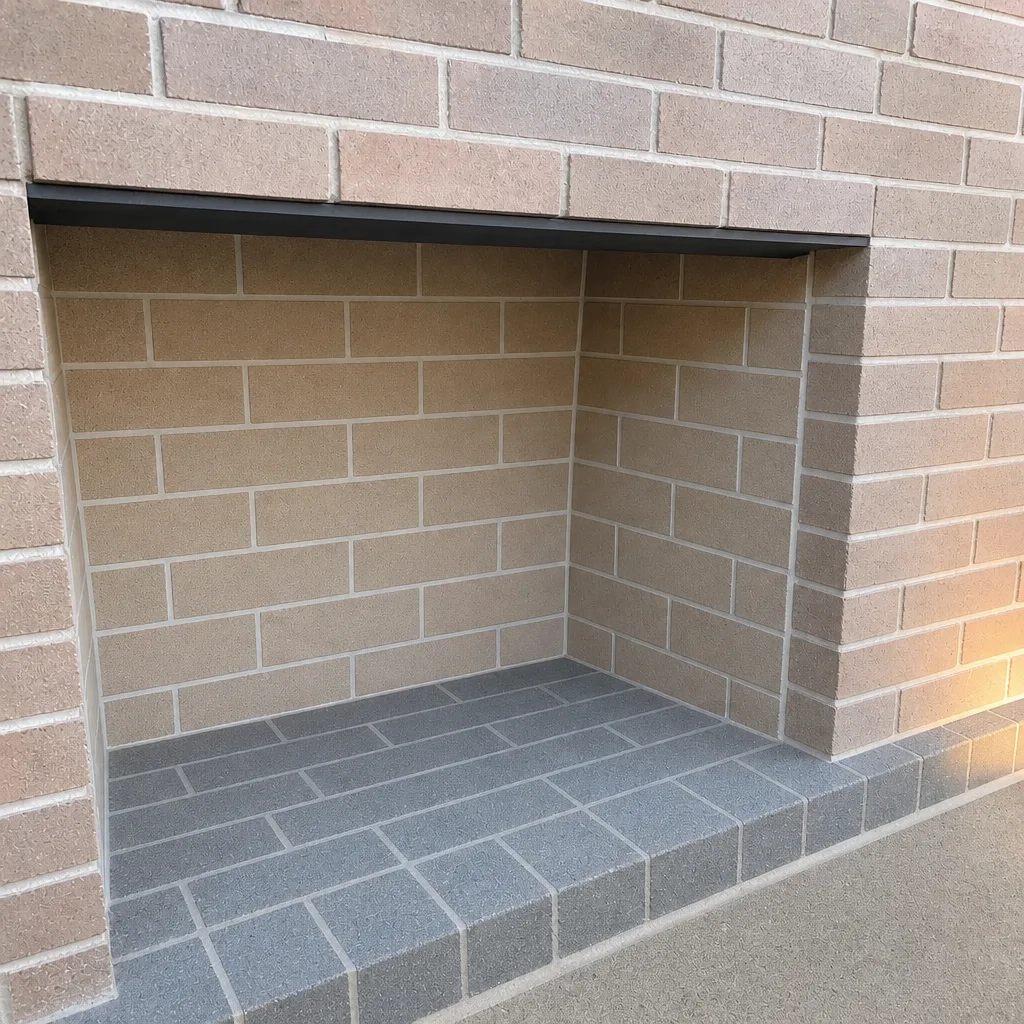
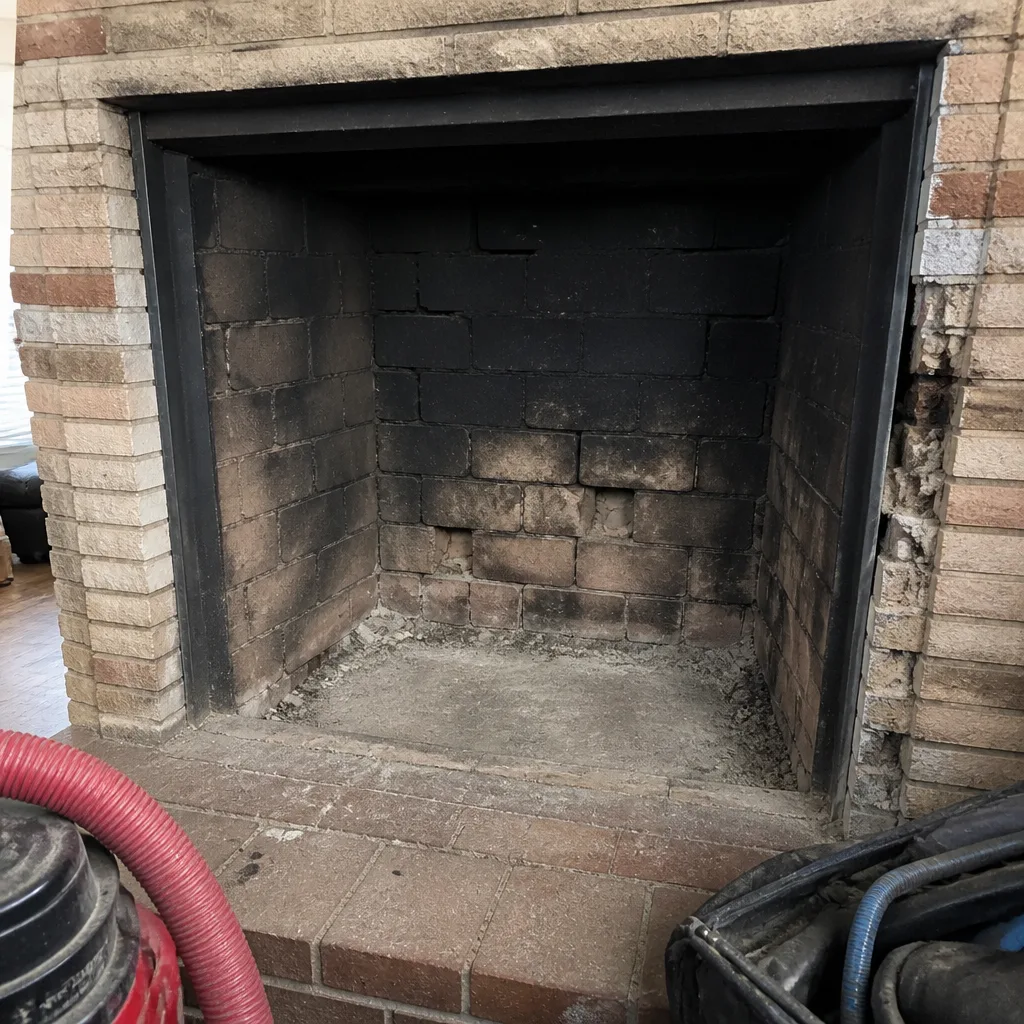
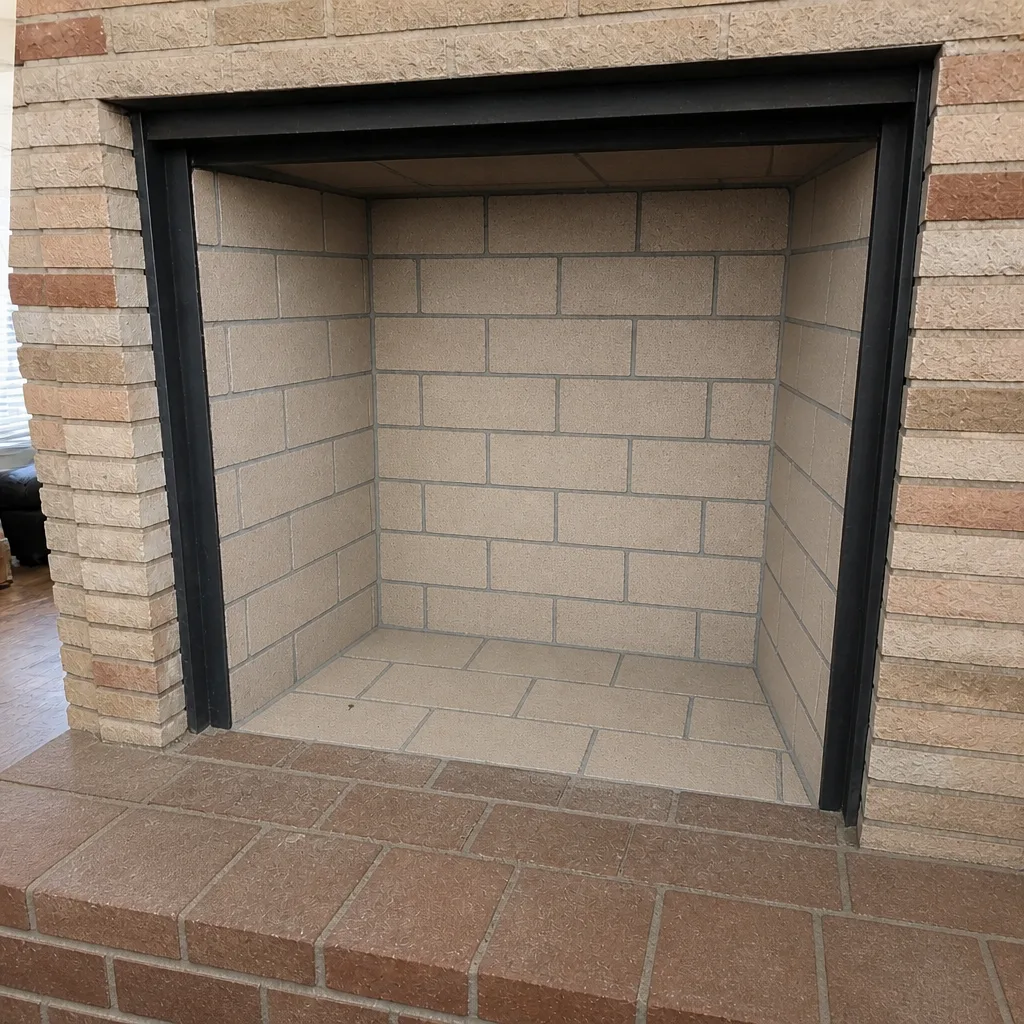
See the difference
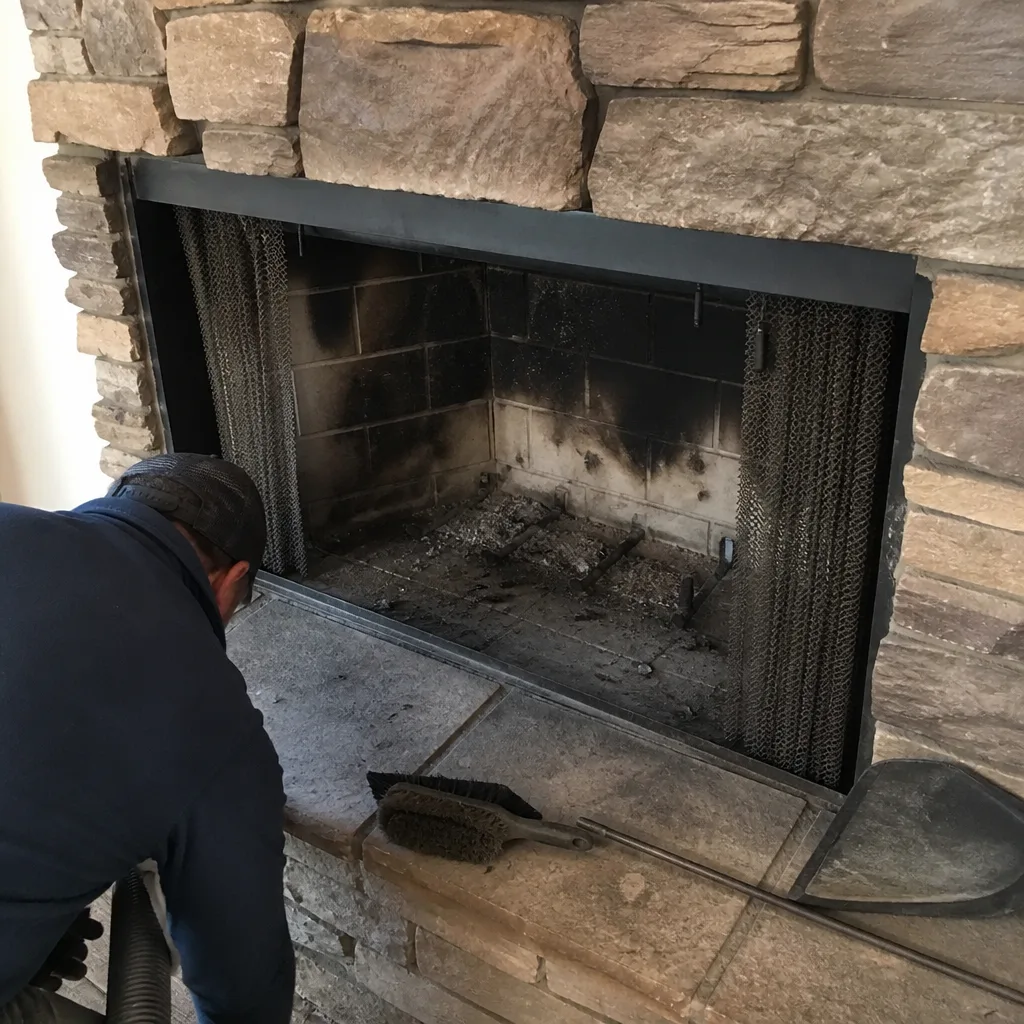 Before
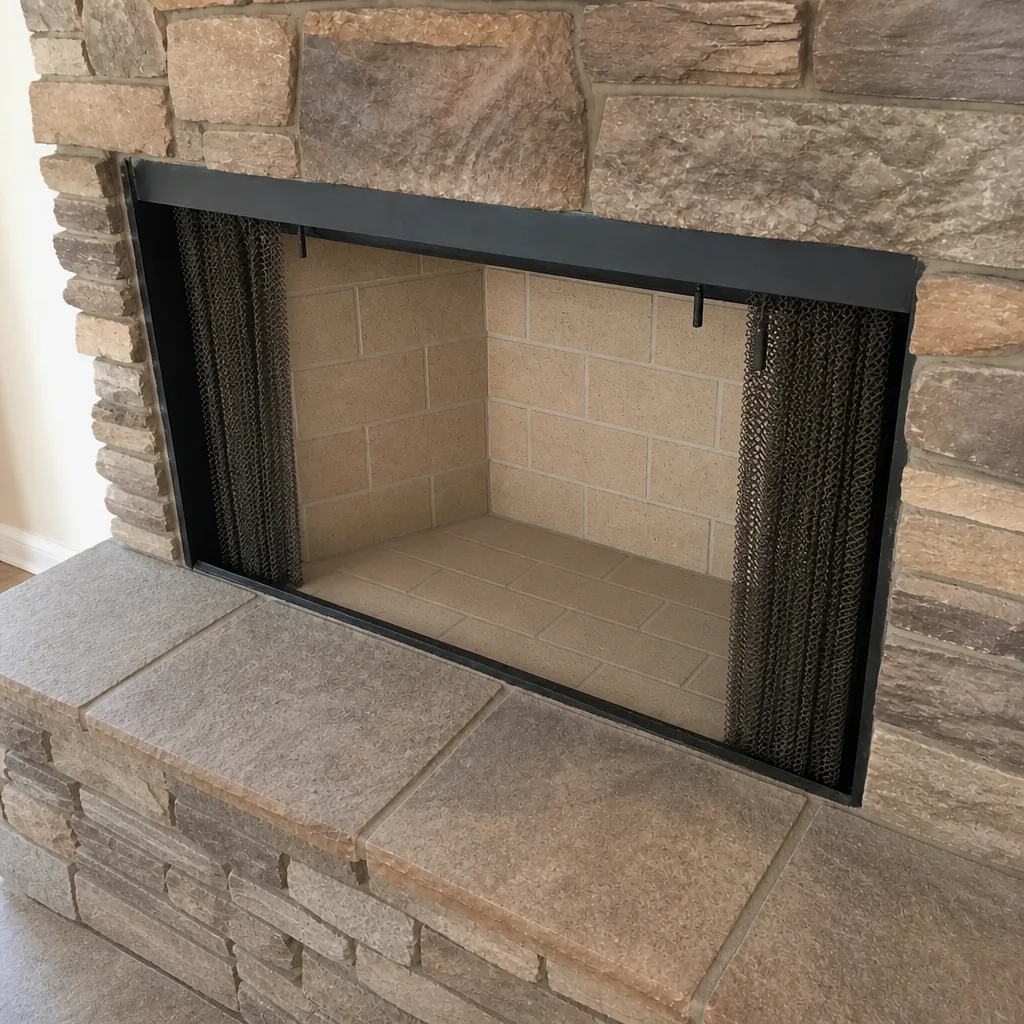 After
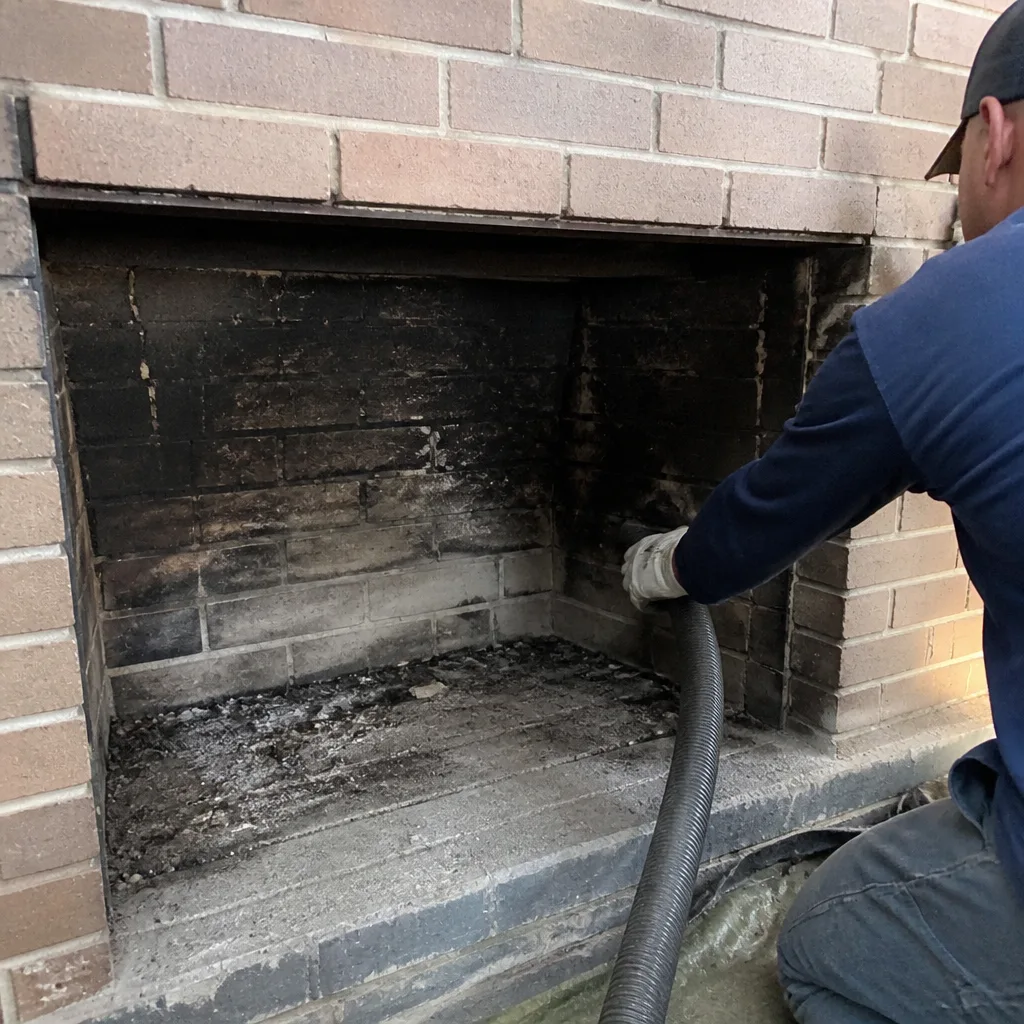 Before
 After
 Before
 After
When to Call a Professional
Some tasks you can do yourself; the chimney system’s critical parts are not among them. Call a trained professional when you see smoke rolling back into the room, when you smell creosote in the house on a cold day, when a damper sticks or won’t seat, when the cap looks matted or missing, or when you can see cracks or missing mortar at the top of the chimney. Call before the first fall fire if you haven’t had a sweep and inspection since last season, and call if you’re buying a home with a wood fireplace you haven’t had evaluated. High crowns, liners, and anything involving the flue interior are not a safe homeowner job; a trained technician with the right camera and tools handles them safely.
Taylorsville Chimney Sweep offers free estimates in Taylorsville. Our technicians have up to 9 years of experience across sweeping, inspection, chimney repair, fireplace repair, and cap and crown work, and we install and work with products from DuraFlex, HeatShield, Gelco, Olympia Chimney, Famco, and Copperfield. Call (833) 513-8777. We answer 24/7. Fast dispatch from 7am to 7pm, Sunday through Friday, and we’re closed Saturday.
Frequently Asked Questions
Most wood-burning chimneys in Taylorsville need an annual sweep and inspection, timed before the first fire in fall. Heavy burners may need more frequent cleaning depending on creosote buildup, which the camera inspection tells you. Call (833) 513-8777 for an exact schedule based on your system.
Spring care is about clearing the cap of cottonwood and debris after seed season. Summer care is about sealing crown cracks and checking flashing before the monsoon moisture and freeze-thaw begins. Fall care is the anchor: a full camera inspection and sweep before the first fire, so you’re not burning on an uninspected flue. Call (833) 513-8777 to book the season you need.
Often it can be restored. HeatShield ceramic resurfacing can rebuild damaged liner sections without a full relining in many cases, and a DuraFlex flexible liner handles older homes with offset flues that rigid liners can’t navigate. Nothing gets recommended without camera footage you can see for yourself. Call (833) 513-8777 for a free estimate.
You burn on a flue nobody has inspected, with a creosote load and liner condition that are unknown. In Taylorsville’s inversion season, that also means burning while the valley’s still air traps smoke. The risk is that a problem which would have been a cheap fix in summer becomes a winter repair or a safety issue. Call (833) 513-8777 to get the inspection done before the first fire.
A properly sized cap with a sturdy mesh screen that blocks seed without choking draft is the real fix, cleared each spring after cottonwood season. In Taylorsville’s valley pressure conditions, an over-fine mesh can restrict airflow, so mesh choice matters. We install Gelco and Famco caps sized to chimney standard, not general-purpose covers. Call (833) 513-8777 to discuss a replacement.
Smoke rolling back into the room, a persistent creosote smell inside the house on a cold day, and a damper that won’t operate are the main ones. Any of those is a reason to stop the fire and have the system checked by a trained technician, because they can indicate a draft or flue problem. Call (833) 513-8777; we answer 24/7, and a call outside dispatch hours is booked into the next opening, Sunday through Friday, 7am to 7pm.
The Bottom Line
Taylorsville’s four seasonal stressors each hit a different part of your chimney: cottonwood blocks the cap in spring, monsoon moisture loads a cracked crown in summer, the inversion makes a pre-season sweep essential in fall, and hard freezes test draft and odor through winter. The work that prevents the biggest repairs happens between sweeps, on a schedule that follows the climate rather than the calendar. Keep one contractor’s condition log, seal the crown before the freeze, sweep before the first fire, and stop burning at the first sign of smoke rollback. That’s the cycle that keeps a Taylorsville chimney sound without overpaying in emergencies.
Written by the team at Taylorsville Chimney Sweep.