
Last updated November 24, 2026
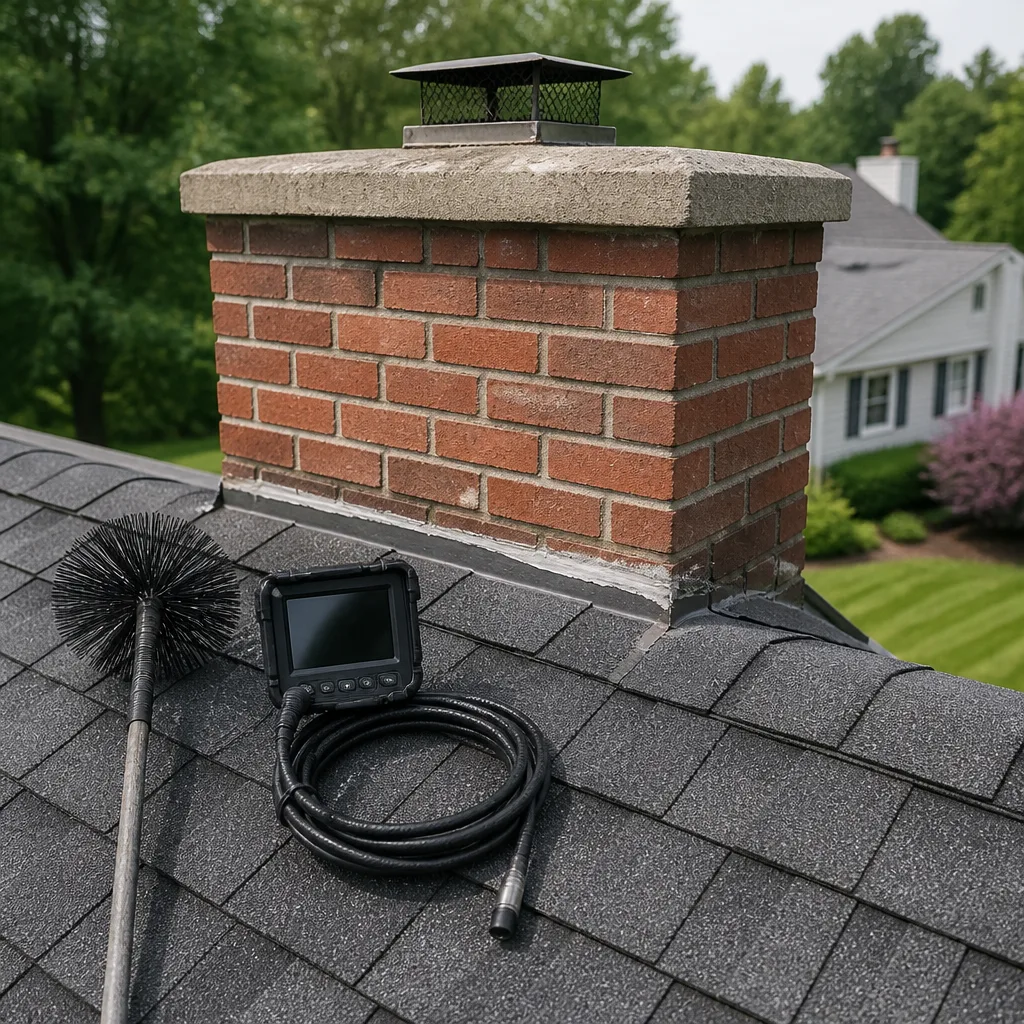 Sweep & inspection
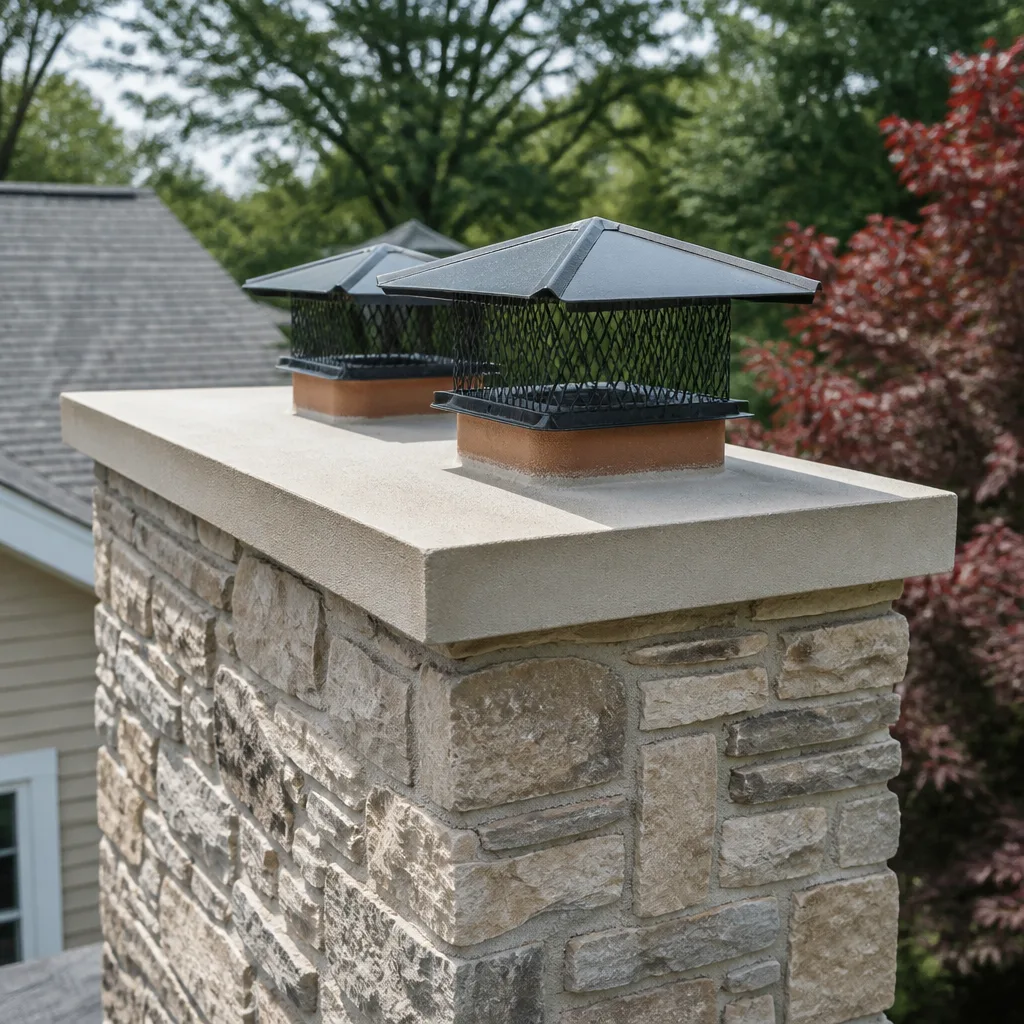 Caps & crowns
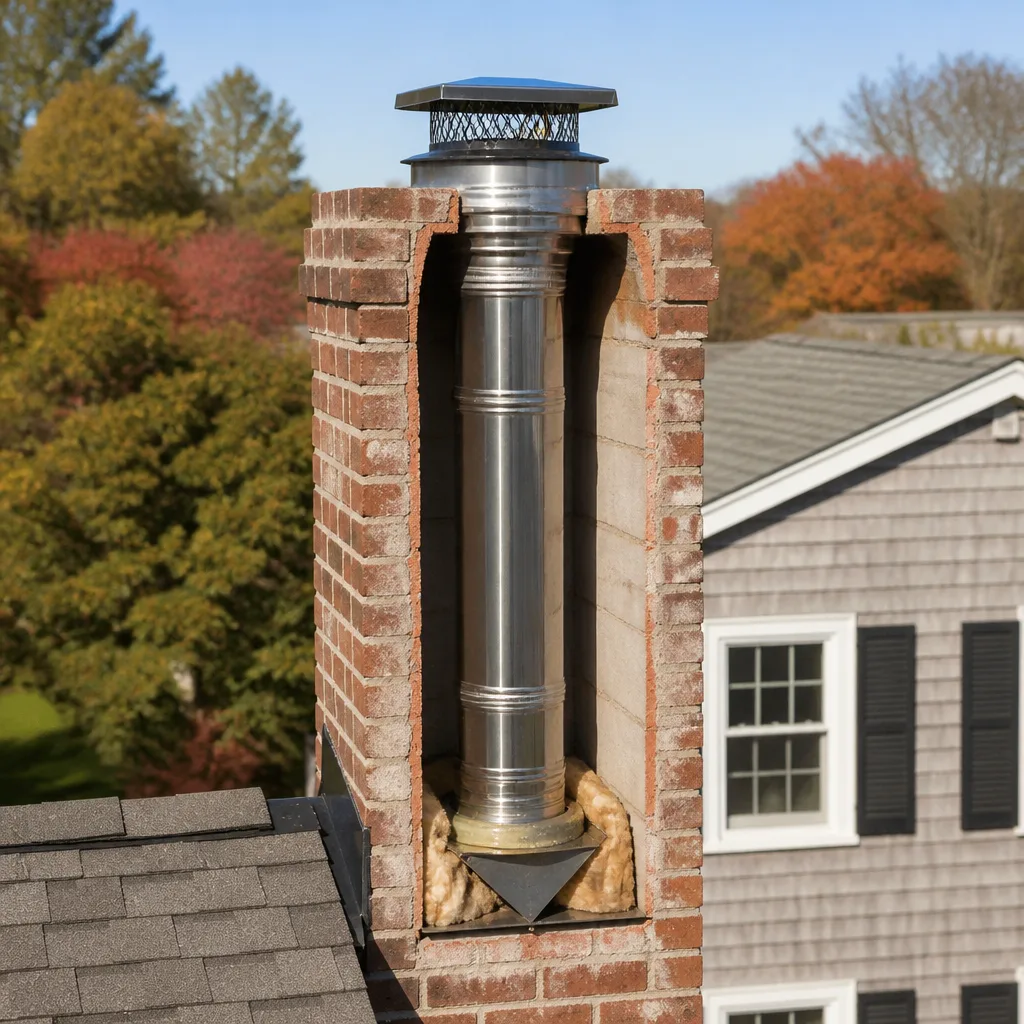 Flue relining
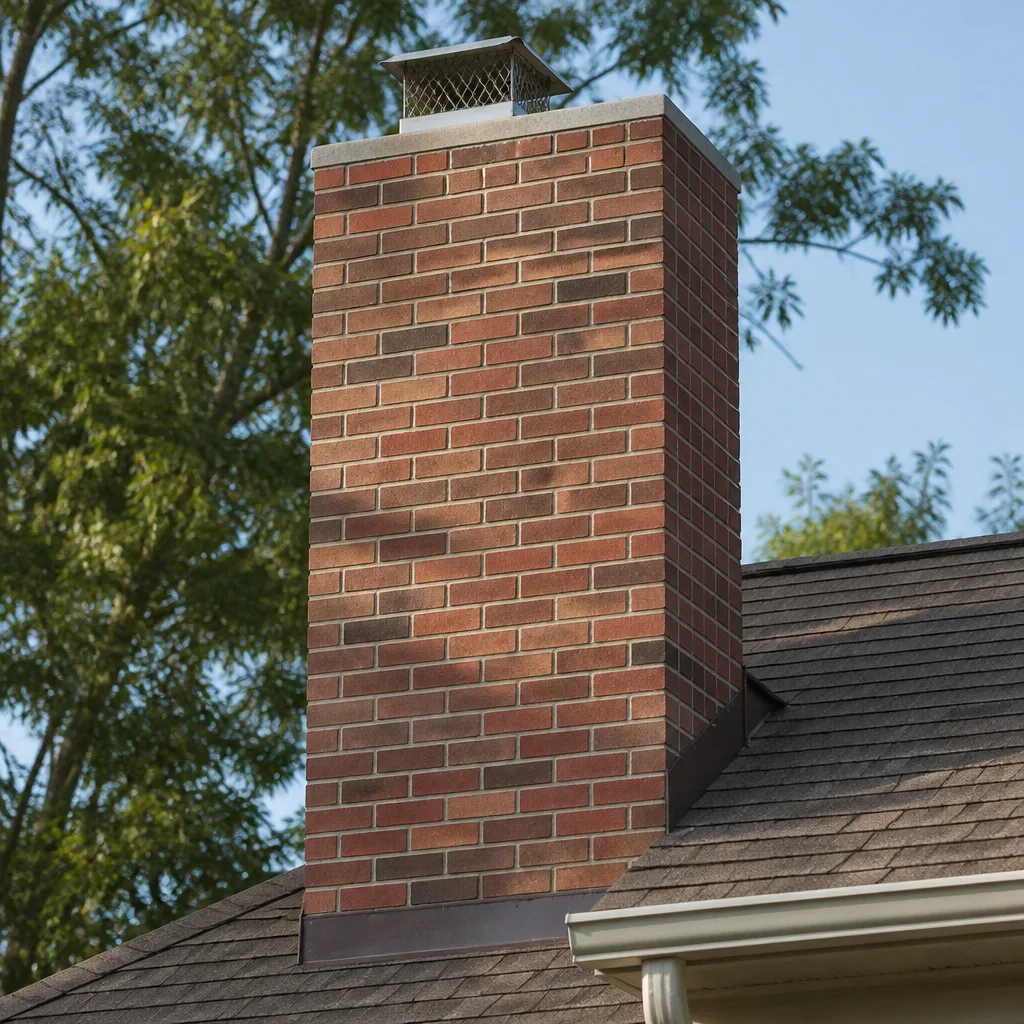 Masonry repair
 Gas fireplace service
Level 1 sweep and inspection to the NFPA 211 annual standard - flue, crown, cap, and flashing checked and photographed
Chimney sweep logs do not sweep chimneys. They loosen some creosote - which then falls where a brush and vacuum still have to collect it.
DIY vs Professional Chimney Cleaning: The Taylorsville Homeowner’s Decision Guide
A homeowner with a brush kit can clean Stage 1 creosote from a straight flue in an afternoon. What they cannot do is tell the difference between normal mortar joint recessing and active spalling that will admit carbon monoxide into the living space within one heating season. Most of the DIY-versus-professional debate gets framed around money, and that framing misses the point. Cleaning is something many people can physically do. Diagnosis is not. This guide walks through exactly which tasks are within reach for a Taylorsville homeowner, which ones quietly create new hazards, and where the line between maintenance and structural risk actually falls.
Quick Answer
DIY chimney cleaning works for light maintenance on a straight, accessible flue serving a wood-burning fireplace, but it does not replace a professional evaluation. A homeowner can remove loose Stage 1 creosote and check a cap from the ground, but cannot safely assess liner condition, mortar integrity, or flue transitions without training and a camera. In Taylorsville, where hard winter temperature swings stress masonry, that diagnostic gap is the reason to book a professional sweep at least once a year even if you clean in between.
Styles & brands we work with
- Sweep & inspection
- Caps & crowns
- Flue relining
- Masonry repair
- Gas fireplace service
Table of Contents
- What DIY Chimney Cleaning Can Actually Handle
- What DIY Cannot Handle and Why It Matters
- Stage 2 Glazed Creosote and the Brushing Trap
- The Real Cost of DIY Equipment
- Your Insurance and the Liability Gap
- Where Professional Value Is Undeniable
- A Practical Hybrid Approach
What DIY Chimney Cleaning Can Actually Handle
Some chimney maintenance is genuinely within reach for a careful homeowner, and it’s worth being honest about which tasks fall into that bucket. We’d rather you know what you can safely do than treat the whole system as a black box.
The tasks below are reasonable to take on yourself, provided you have safe roof or ground access and stay away from anything involving a ladder climb you aren’t confident about:
- Cap cleaning and debris removal. Wasps, leaves, and small bird nests collect on top of a cap screen, and clearing them is low risk from a stable ladder or from inside the firebox on a short run.
- Exterior visual check. Walking the yard and looking up at the chimney crown, cap, and mortar joints with binoculars is realistic. You are looking for obvious cracks, missing mortar, or a rusted cap, not assessing the flue interior.
- Damper operation test. Opening and closing the damper to confirm it moves freely and seals, and looking up the firebox with a flashlight for visible debris, is within reach for any homeowner.
- Ash removal and firebox sweeping. Cleaning out cold ash and sweeping the firebox floor between burns is routine upkeep, not chimney cleaning in the professional sense.
What separates these tasks from a real sweep is that none of them require brushes to travel the full flue, none require getting on the roof to reach a flue you can’t see from below, and none involve assessing whether the liner is safe. A straight flue running up from a fireplace is a different animal from an offset or a flue with a smoke chamber. If you can see up the flue and it’s perfectly straight with no visible shifting, brushing the accessible portion is the one DIY task that can remove loose soot. Whether that brushing actually reaches the creosote that matters is the question the next section answers.
One thing we ask every homeowner to remember: a chimney is a fire-containment system. Anything you do that alters the flue surface, dislodges material, or relies on a brush you aren’t sure is the correct diameter for your flue diameter is not maintenance. It’s a change to a safety system. When in doubt, book the chimney sweep and watch how it’s done.
What DIY Cannot Handle and Why It Matters
The diagnostic gap is where DIY chimney cleaning stops being a maintenance choice and becomes a risk. Cleaning removes what’s reachable. Inspection finds what’s dangerous. Those are two different jobs, and only one of them can be done with a brush.
Here is what a homeowner cannot reliably assess, even with a good flashlight and a reasonable amount of care:
- Mortar joint condition. The difference between normal joint recessing (cosmetic) and active spalling (structural, moisture-driven, and a path for gases) is a trained-eye distinction.
- Liner integrity. A hairline crack in a clay tile liner is invisible from below and impossible to confirm without a camera on a rod run up the flue.
- Flue transitions and offsets. Where the flue changes diameter or direction, that’s where cracks begin. You cannot see these areas from the firebox.
- Smoke chamber condition. The brickwork above the damper is corbeled, sloped, and out of sight. Debris collects on the shelf and cracks form at the corbel line.
- Creosote stage. Stage 1 is soot. Stage 2 is glazed and hard. Stage 3 is puffy and ignited by a spark. Confusing them changes the response entirely.
- Carbon monoxide path. A breach in the liner or a blocked flue can push exhaust gases into living space, and there’s no visual cue from inside the room.
In our experience across Taylorsville homes, the problems we find most often are invisible from the firebox: a recessing joint that turned out to be spalling, a flue with a section of cracked clay tile, a smoke chamber shelf packed with debris from years of brushing that never reached it. A homeowner who brushes their own chimney every fall feels responsible, and that’s fair. But feeling responsible is not the same as knowing the liner is intact. A carbon monoxide detector in the living area is essential in every home with a fireplace, and it is not a substitute for an inspection; it is a last line of defense. The Taylorsville Chimney Sweep inspection exists to keep that last line from ever being tested.
Stage 2 Glazed Creosote and the Brushing Trap
Brushing a flue coated with Stage 2 glazed creosote can create a more urgent hazard than the buildup itself. This is the point most DIY guides skip, and it’s the one that matters most.
Stage 2 creosote is a hard, shiny, cracked glaze that forms when smoke condenses on a hot flue surface. A standard flue brush passes over it without removing it. When a homeowner brushes aggressively anyway, sections of the glazed crust can break off the flue wall. Those sections drop down the flue and can lodge on a smoke chamber shelf, at a transition, or at the top of the firebox. What you now have is a partially blocked flue. The creosote didn’t get removed; it got relocated into the worst possible place.
A blocked or partially blocked flue changes the draft, pushes smoke into the room, and concentrates heat at the blockage. A glazed section that breaks loose and then ignites is a chimney fire, and the same material is now sitting at the worst spot on the flue surface. The correct handling of Stage 2 is removal with a rotary system and a chemical agent designed for it, not mechanical force from below.
Recognize the difference between the creosote stages before you decide to brush:
- Stage 1: Soot and light flaky deposits. Removable with a standard brush and vacuum. This is the stage a careful DIY cleanup can address on a straight, accessible flue.
- Stage 2: Hard, glazed, cracked black coating. A brush will not remove it and can dislodge chunks. This is professional work with a rotary system.
- Stage 3: Puffy, oily, and highly combustible. Any heat source, including a stray spark from a new fire, can ignite it. This requires professional removal before the fireplace is used again.
In our experience, the number of Taylorsville homes we open up that have Stage 2 glaze on the flue wall and a homeowner who has been brushing every fall for years is not small. Brushing feels productive. On a glazed flue, it is the wrong tool for the wrong deposit. If you suspect Stage 2, stop burning in that fireplace and book a professional cleaning. The chimney repair conversation starts after the cleaning reveals whether the flue surface or liner was affected.
The Real Cost of DIY Equipment
A rotary cleaning system capable of handling a standard Taylorsville two-story chimney costs more to buy than three or four professional sweeps, which changes the math of the DIY decision considerably.
Walk through the components a full DIY system needs and the number adds up quickly:
- Rotary head and rods. A rotary chimney cleaning system with enough rod length to reach a two-story flue interior. The rods alone for a 25-foot run are substantial, and the system has to handle glazed deposits, not just soot.
- Brush set. Correctly sized polypropylene brushes for the flue diameter, plus a smaller brush for the firebox and smoke chamber access. A single brush will not cover the whole system.
- HEPA vacuum with chimney-rated hose. A shop vacuum that isn’t rated for fine soot will exhaust soot back into your living room. A proper chimney vacuum is a one-time purchase that most homeowners will use twice.
- Drop cloths, ladders, and roof access. Accessing a roof safely requires a ladder you trust and shingles you aren’t going to damage. Most of us don’t have roof-suitable ladders on hand.
- Respirator and safety gear. Soot, and creosote dust in particular, is respiratory irritant. A respirator, eye protection, and gloves are non-negotiable.
Compare that against a professional sweep, which arrives with a rotary system, a HEPA vacuum, chimney-specific tooling, and the training to know which deposit is in front of it. The sweep is not just a service. It is equipment you don’t have to buy, store, maintain, or worry about using correctly. That is the honest accounting of the DIY-versus-pro cost comparison. A homeowner who cleans once a year with a brush is not saving the cost of a sweep, because a brush only handles the portion of the problem a brush can reach.
None of this argues that a homeowner should never own a brush. A short flue serving a wood stove in a small space, cleaned carefully, is a different conversation. But for the standard two-story Taylorsville chimney, the math on DIY equipment is not favorable.
Your Insurance and the Liability Gap
Homeowners insurance typically expects a professional inspection and cleaning on record, and a DIY cleaning with no inspection can complicate a chimney-related fire claim. This is the part of the DIY decision that doesn’t show up in the price of a brush set, and it’s worth understanding before you make the call.
Policies vary by insurer and by state, and we don’t claim to speak for yours. But we can describe the pattern homeowners describe to us: an insurance adjuster investigating a chimney fire will look for evidence of maintenance. A professional sweep invoice and inspection report show the system was evaluated by a trained technician on a date. A DIY brush set does not produce a document. When an adjuster is deciding whether the loss reflects reasonable maintenance, that missing record is a gap you cannot reconstruct after the fire.
The same gap applies in a different direction. If you sell a home with a chimney, and an inspection finds a cracked liner that a professional would have flagged years earlier, that is a negotiating point. A chimney that was never professionally inspected has no baseline. A chimney that was inspected annually has a documented history of condition over time, which is valuable when you go to sell, refinance, or make a repair decision.
We aren’t your insurer and we don’t write policies. What we do is provide a written inspection record. A professional sweep produces a report with the date, the findings, and the recommended next step. That record is worth more than it costs, and it’s the part of the DIY comparison that almost nobody factors in. If you want the system on record before the heating season, call (833) 513-8777 to book the sweep and the inspection together.
Where Professional Value Is Undeniable
Some chimney configurations cannot be cleaned or evaluated by a homeowner with consumer tooling, and an offset flue is the clearest example. If your flue was not built as a straight vertical run, the rest of this section applies to you directly.
The configurations below require specialized tooling, training, or both, and they are more common in Taylorsville’s older housing stock than most homeowners realize:
- Offset flues. The flue jogs around an obstruction between floors. A straight rod and brush cannot follow the jog, and the sections at the offset are where creosote accumulates and where cracks form. A DuraFlex flexible liner system is often the material that brings an offset flue back to a safe, properly sized flue.
- Liner transitions. Where a modern liner meets an older clay tile, the transition is a stress point and a leak path. A camera inspection and a proper transition fitting are required; a brush cannot assess it.
- Smoke chambers with corbeled brick. The sloped brick shelf above the damper is out of sight, out of reach from the firebox, and a natural catch point for debris. Accessing it requires reaching over the damper with chimney-specific tools and a vacuum.
- Damaged liner sections with spalling. Where the liner has spalled or cracked over a section, HeatShield ceramic resurfacing can often restore the section without a full reline. That capability requires trained application. It’s a proprietary ceramic product and not a homeowner-available repair.
- Crown and cap work. A deteriorating crown is a masonry repair, and a missing or undersized cap is a chimney-specific fitting. Caps from Famco and Copperfield are built to chimney dimensions, not general purpose. A cap that doesn’t fit properly can restrict draft as surely as a blockage.
This is where the value proposition is not subtle. A homeowner cannot see the offset, cannot assess the corbel line, and cannot install a liner. The fireplace repair that follows a professional inspection is the difference between maintaining a chimney and letting a structural problem go another heating season. If a professional has already told you your liner is compromised, that is a conversation worth having with a specialist, not a reason to buy a rotary brush.
A Practical Hybrid Approach
DIY and professional chimney care are not mutually exclusive, and the homeowners we see who get the most life out of their systems are the ones who use both correctly.
Here’s the hybrid approach we recommend to Taylorsville homeowners who want to stay involved without taking on risk:
- Between burns, do the low-risk tasks. Clear the cap screen, test the damper, remove cold ash, and keep an eye on the exterior crown and joints. These are genuinely within reach and they extend the life of the system.
- Book a professional sweep once a year before the heating season. In Taylorsville’s climate, the transition from mild fall to hard winter is when most homeowners start burning, and it’s the right time to have the flue evaluated for the year ahead.
- Ask for the inspection report. A sweep without a written finding is half a service. The report is what tells you whether the liner, crown, and cap are sound and what the next year looks like.
- Address findings before the next season. A cap repair, a crown crack, or a damaged liner section is cheaper to fix in the fall than after a fire or a carbon monoxide event.
- Keep the records. Every sweep report goes in the same folder as your appliance manuals, and that folder is your maintenance history at resale.
This approach uses the homeowner’s willingness to be involved and applies it where it helps, while putting the diagnostic work where it belongs. In our experience, the homes with the fewest surprises are the ones where the owner has stayed engaged and a professional has documented the system annually. We specify the right product for the job and stand behind the work, and that is what the hybrid approach is built around. We carry Famco caps and Copperfield fittings for the installations where the cap has to match the flue exactly, because a general purpose cap is the wrong component on a chimney.
Common Mistakes to Avoid
- Brushing a glazed flue with a standard brush. Stage 2 creosote will not come off with a brush, and dislodged sections can block the flue or ignite. Recognize the stage before you brush, and stop if the deposit is hard and shiny.
- Skipping the inspection because you cleaned. Cleaning is not inspection. A homeowner who brushes the flue every fall still has no record of the liner condition, the crown, or the smoke chamber.
- Using a shop vacuum not rated for soot. A standard vacuum exhausts fine soot back into the room. Soot is a respiratory irritant and it settles into upholstery and ductwork. A chimney-rated HEPA vacuum is the right tool.
- Assuming a straight flue because you can’t see an offset. Many Taylorsville homes have a flue that jogs around a second-floor obstruction. From the firebox, it looks vertical. From the roof, it isn’t.
- Ignoring a cap that doesn’t fit properly. A cap that is undersized, oversized, or improvised from hardware-store material can restrict draft or fail in the first hard freeze. Use a cap built to chimney dimensions.
- Booking the sweep after the first hard freeze. In Taylorsville, the first cold snap is when everyone calls. Book the sweep before the burning season starts so the pre-season inspection is on record and the flue is clean when you need it.
- Treating a carbon monoxide detector as a substitute for an inspection. The detector is a last line of defense. The inspection is how you keep the last line from ever being tested.
One more, and it’s the one that comes up most: don’t decide based on a single YouTube video. The video shows one chimney in one house. Yours is a specific configuration with specific masonry, a specific liner, and a specific history. The right decision starts with knowing what you have.
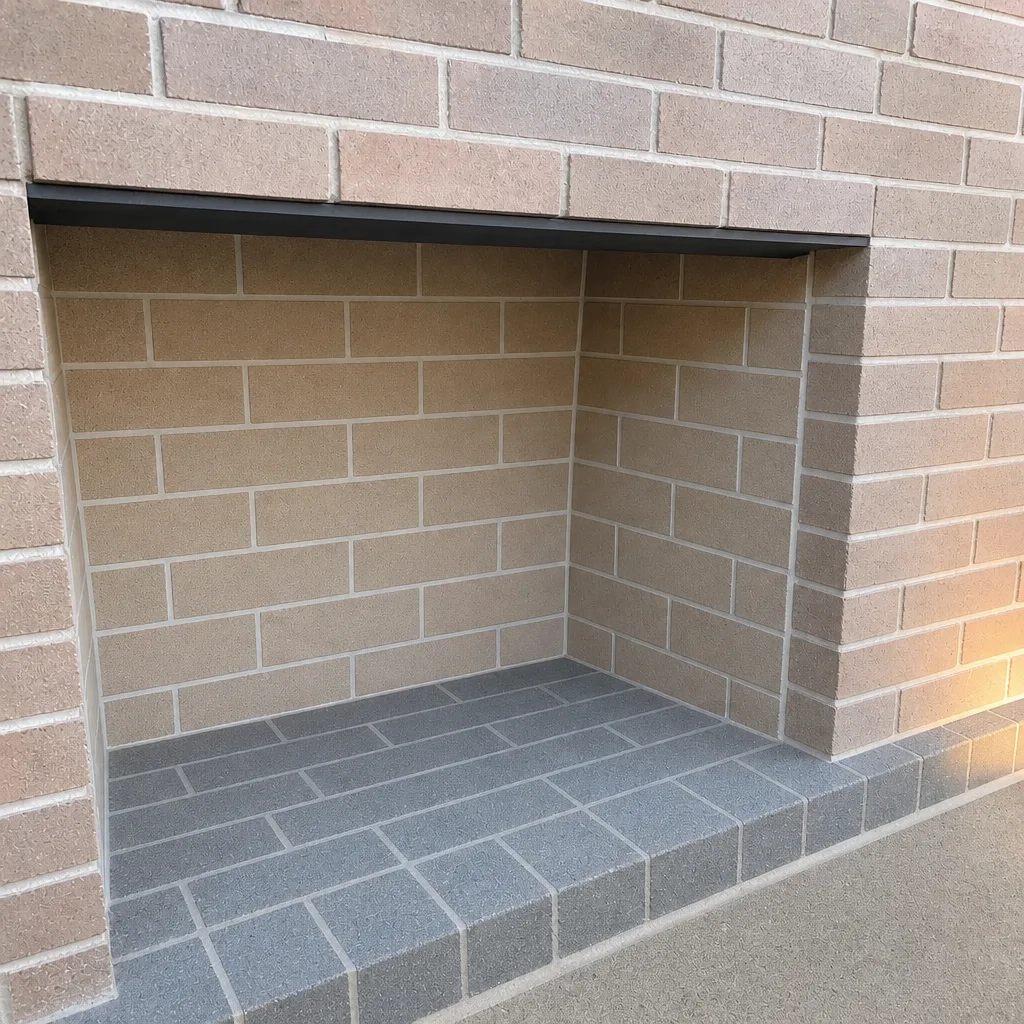
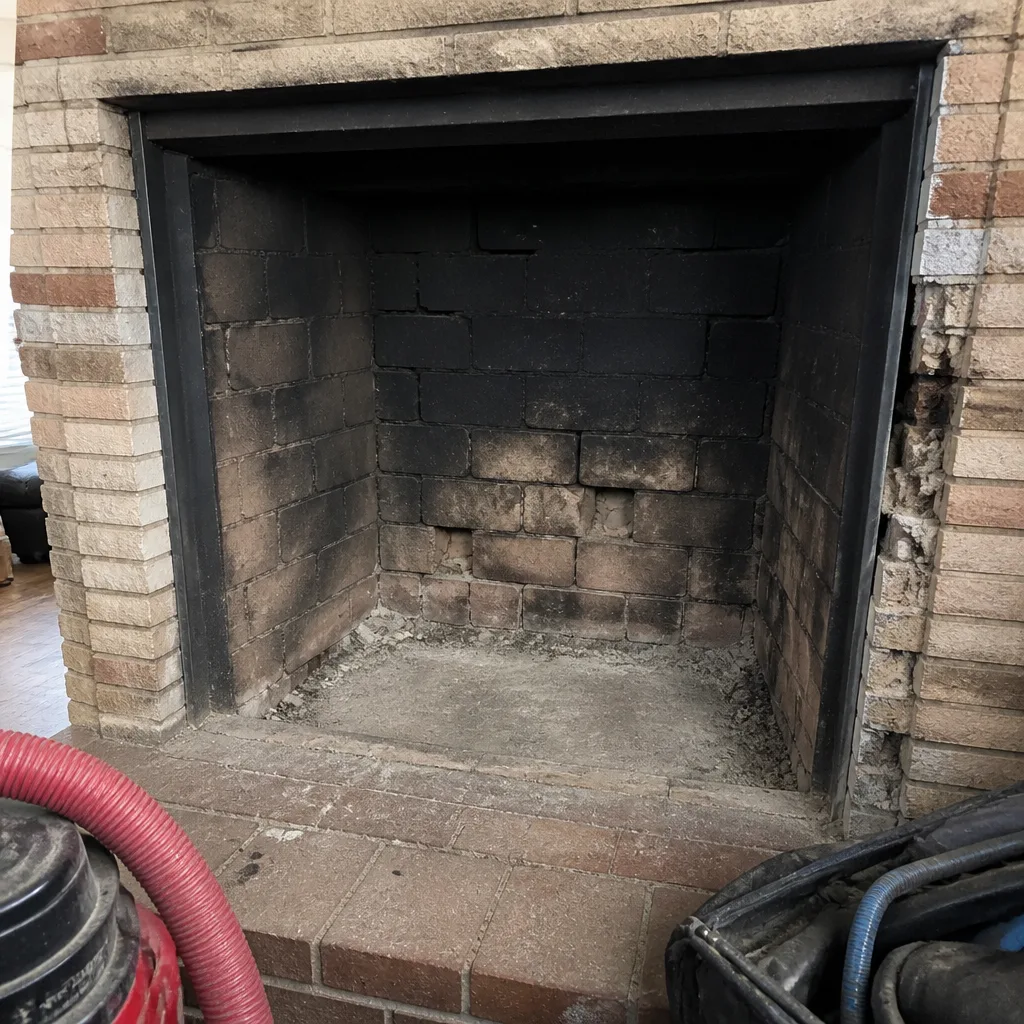
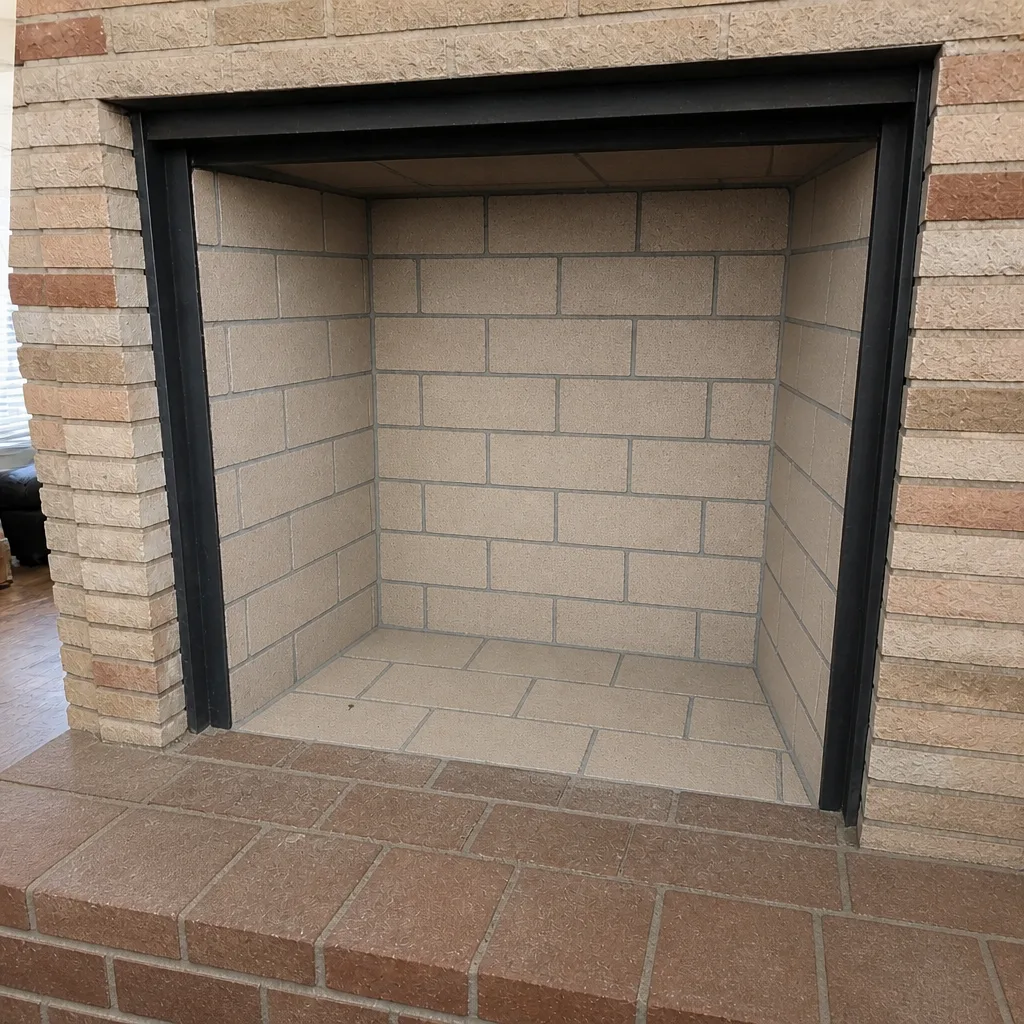
See the difference
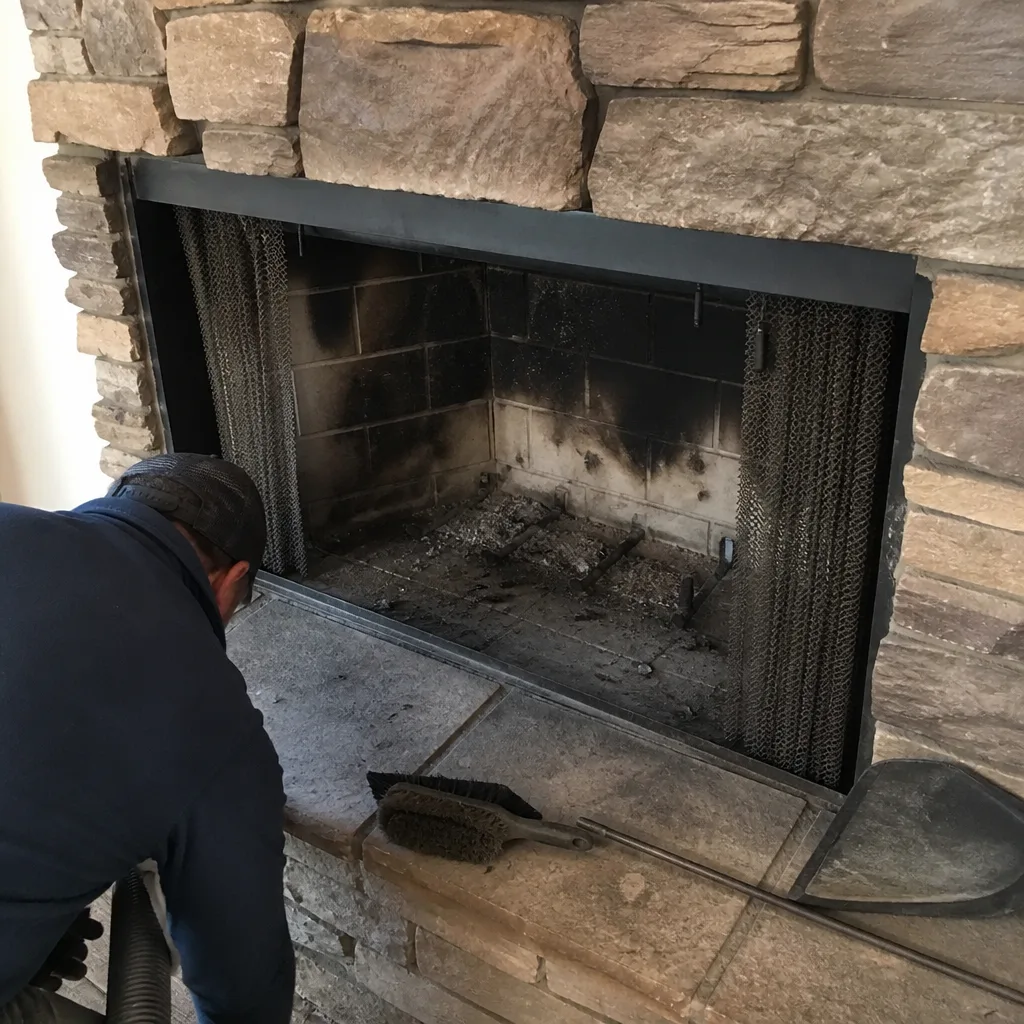 Before
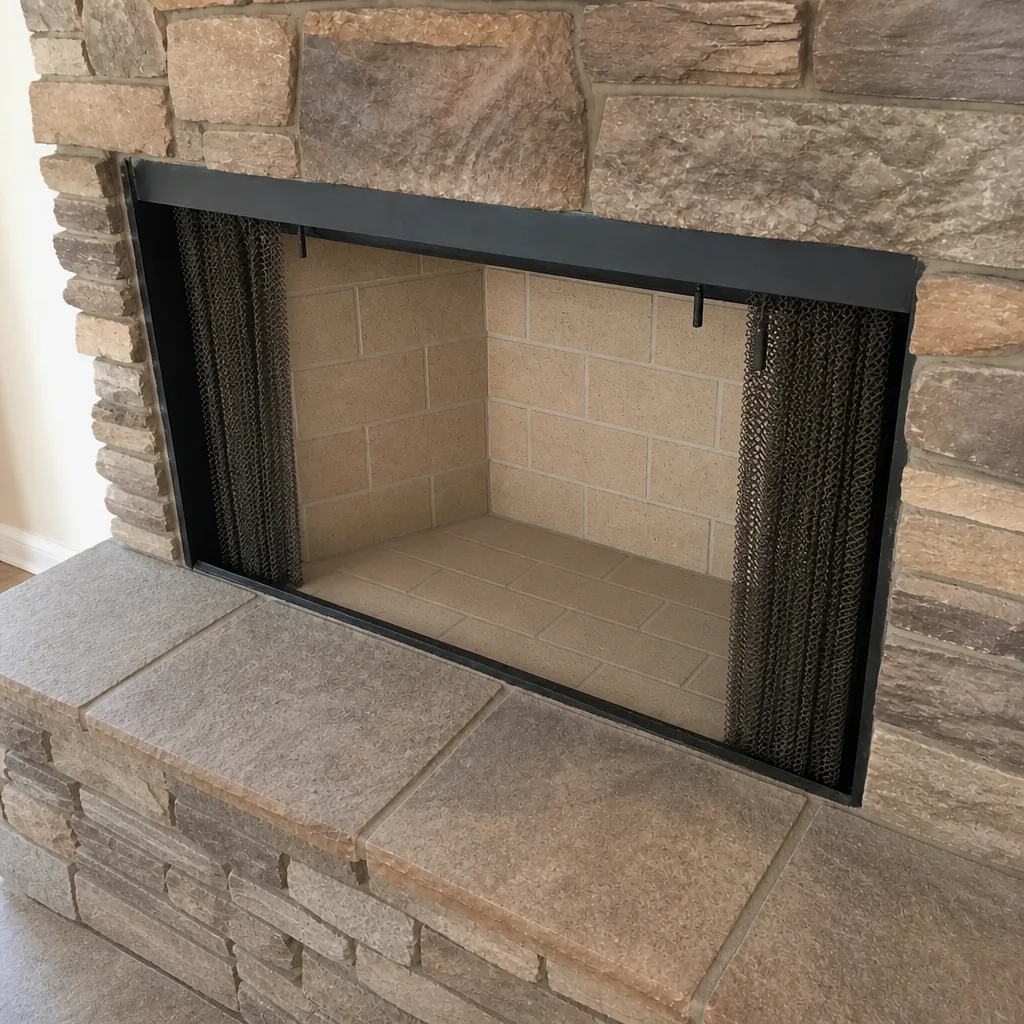 After
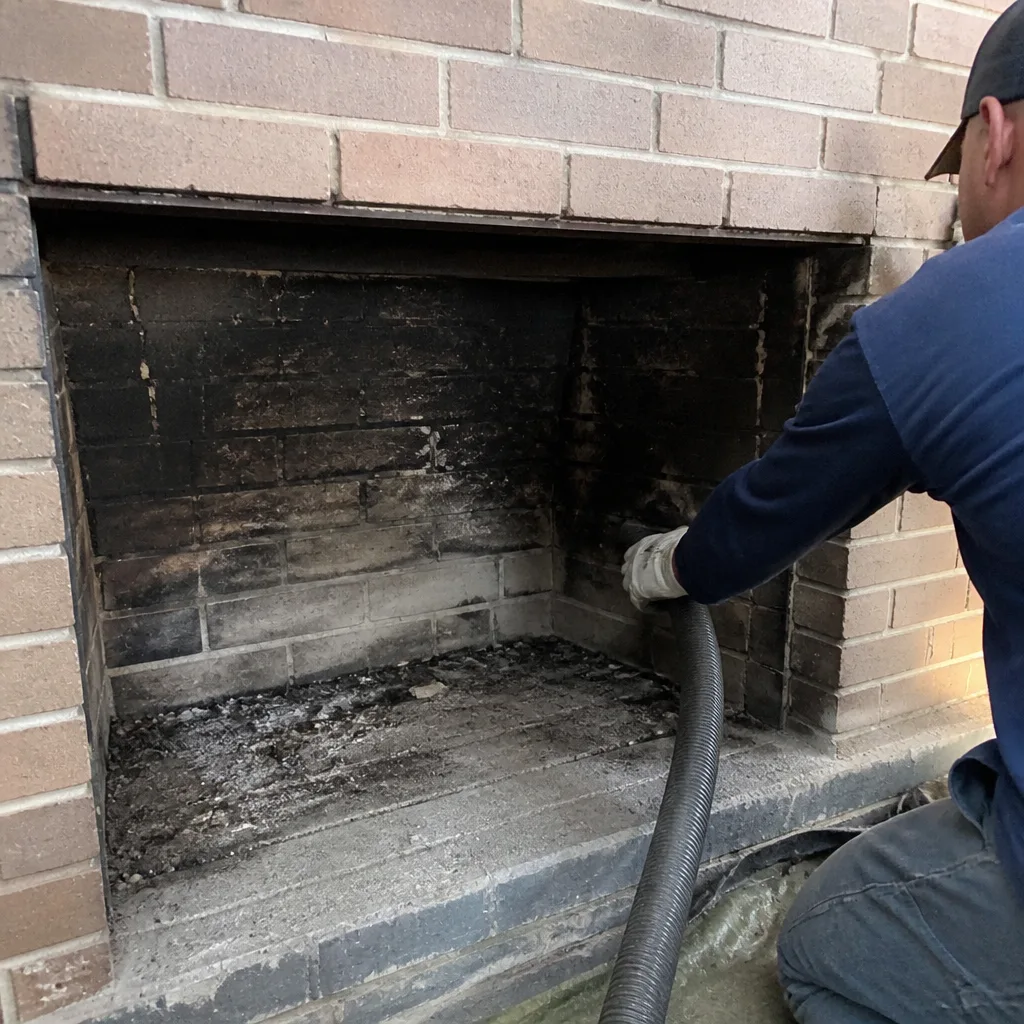 Before
 After
 Before
 After
When to Call a Professional
Call a professional when the chimney isn’t a straight, accessible flue with light Stage 1 deposits, and call immediately when there’s any sign of a structural problem. The honest answer is that most Taylorsville homes fall into the “call a professional” column at least once a year for the inspection alone.
Specific scenarios that should trigger a call:
- You smell creosote in the living area, or smoke backs into the room when you burn.
- You’ve noticed a crack in the exterior masonry, or the crown has visible deterioration.
- The cap is missing, damaged, or was improvised at some point.
- You’ve been told the liner is compromised, or you’re considering a HeatShield resurfacing or liner replacement.
- You’ve never had a professional inspection on record, or you can’t remember the last one.
Taylorsville Chimney Sweep offers free estimates in Taylorsville – call (833) 513-8777. We answer 24/7, with fast dispatch from 7am to 7pm, Sunday through Friday. The estimate is free, and the price for the work is set per job in a written estimate, so you know the number before anything is booked.
Frequently Asked Questions
Yes, for light maintenance on a straight, accessible flue serving a wood-burning fireplace with Stage 1 soot deposits. You can clear the cap screen, test the damper, remove cold ash, and brush accessible soot with a properly sized brush and a chimney-rated vacuum. What you cannot safely do is assess liner condition, mortar joint health, smoke chamber condition, or whether the deposit is Stage 2 glazed creosote. If you don’t know which stage you have, don’t brush. Call (833) 513-8777 for an exact quote on a professional sweep and inspection – estimates are free.
A DIY cleaning removes what a brush can reach. A professional sweep removes what’s there with rotary tooling, HEPA vacuum equipment, and chimney-specific brushes, and then produces a written inspection report on the entire system. The sweep is a cleaning plus a diagnostic evaluation. That diagnostic piece is the difference that matters, especially in Taylorsville homes where the liner condition is unknown.
Stage 2 glazed creosote is hard and cracked, and a standard brush passes over it without removing it. Pushing harder or brushing faster can break sections off the flue wall, and those sections can lodge at a transition or on the smoke chamber shelf. That creates a partial blockage that changes the draft and concentrates heat at the blockage. If the dislodged section ignites, that’s a chimney fire. Glazed creosote needs to be removed with a rotary system and the appropriate chemical agent, not with force from below.
Policies vary, and we don’t speak for any insurer. What we can tell you is that insurance investigations after a chimney fire look for evidence of maintenance, and a professional sweep report is a document while a homeowner’s brush set is not. A chimney never professionally inspected has no baseline record. A chimney inspected annually has a documented condition history over time, and that record matters when you sell the home as well as when you file a claim. If you want a written record before the heating season, call (833) 513-8777 – estimates are free.
Once a year for the inspection is the standard we recommend for any home that burns wood, and it’s the right baseline for Taylorsville’s climate where hard winter temperature swings stress masonry joints. A home that burns frequently, or burns green wood, may need sweeping more often. The inspection tells you the deposit stage and whether the flue is clean enough for the next season. If you haven’t had a professional evaluation on record this year, call (833) 513-8777 for an exact quote – estimates are free.
The inspection finds what cleaning cannot: liner cracks, spalling mortar joints, smoke chamber debris, and cap problems. Cleaning removes deposits. Inspection assesses the containment system. They are two different jobs, and only one of them can be done with a brush. The homes that avoid expensive surprises are the ones where a professional has documented the liner, crown, and cap condition on a yearly basis.
The Bottom Line
DIY chimney cleaning is a maintenance activity, not a substitute for professional evaluation. A homeowner can handle cap cleaning, damper testing, ash removal, and light Stage 1 soot on a straight flue. What a homeowner cannot do is assess liner integrity, distinguish recessing mortar from active spalling, identify Stage 2 glazed creosote before brushing dislodges it, or evaluate an offset flue or smoke chamber. The equipment math favors the professional sweep for a standard two-story Taylorsville home, and the inspection record is the part of the decision that insurance, resale, and long-term safety all point toward. Clean what you can safely clean. Book the inspection every year. Call (833) 513-8777 for a free estimate.
Written by the team at Taylorsville Chimney Sweep.