
Last updated November 24, 2026
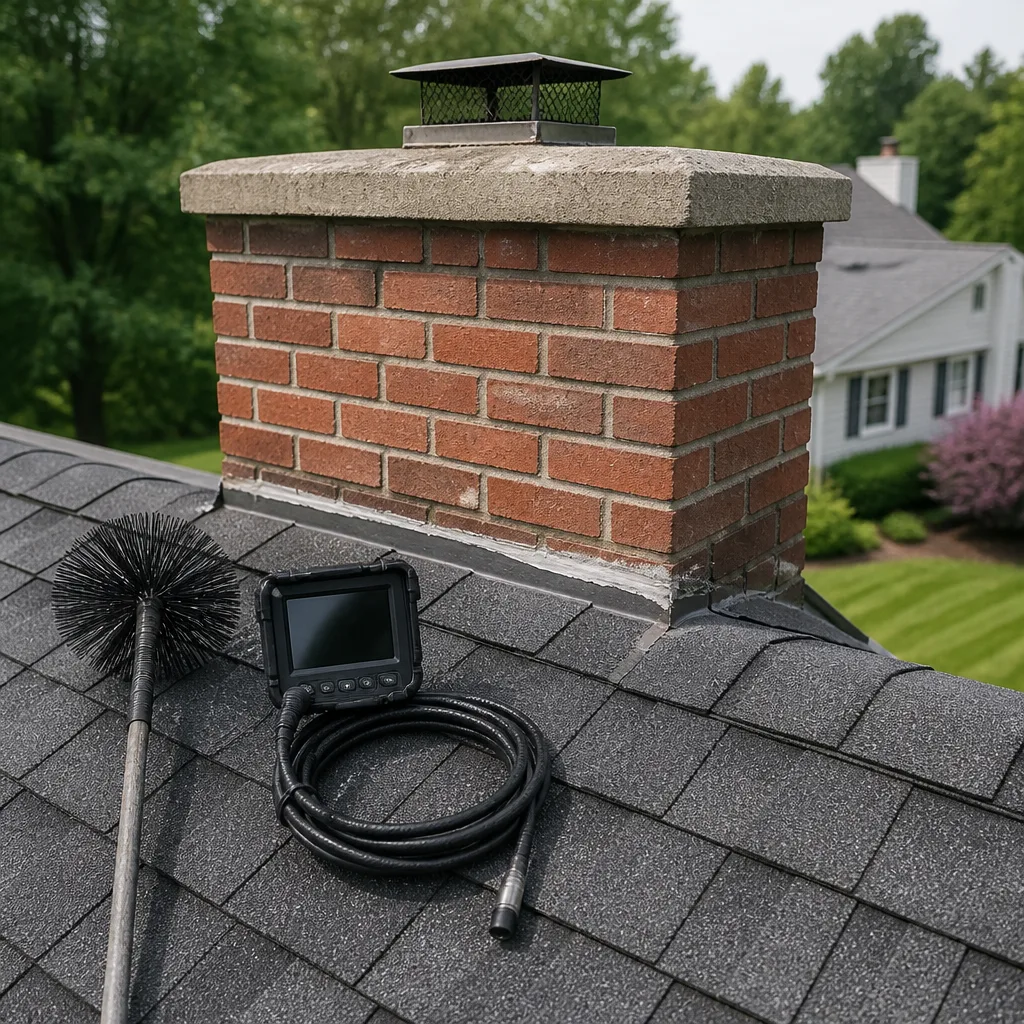 Sweep & inspection
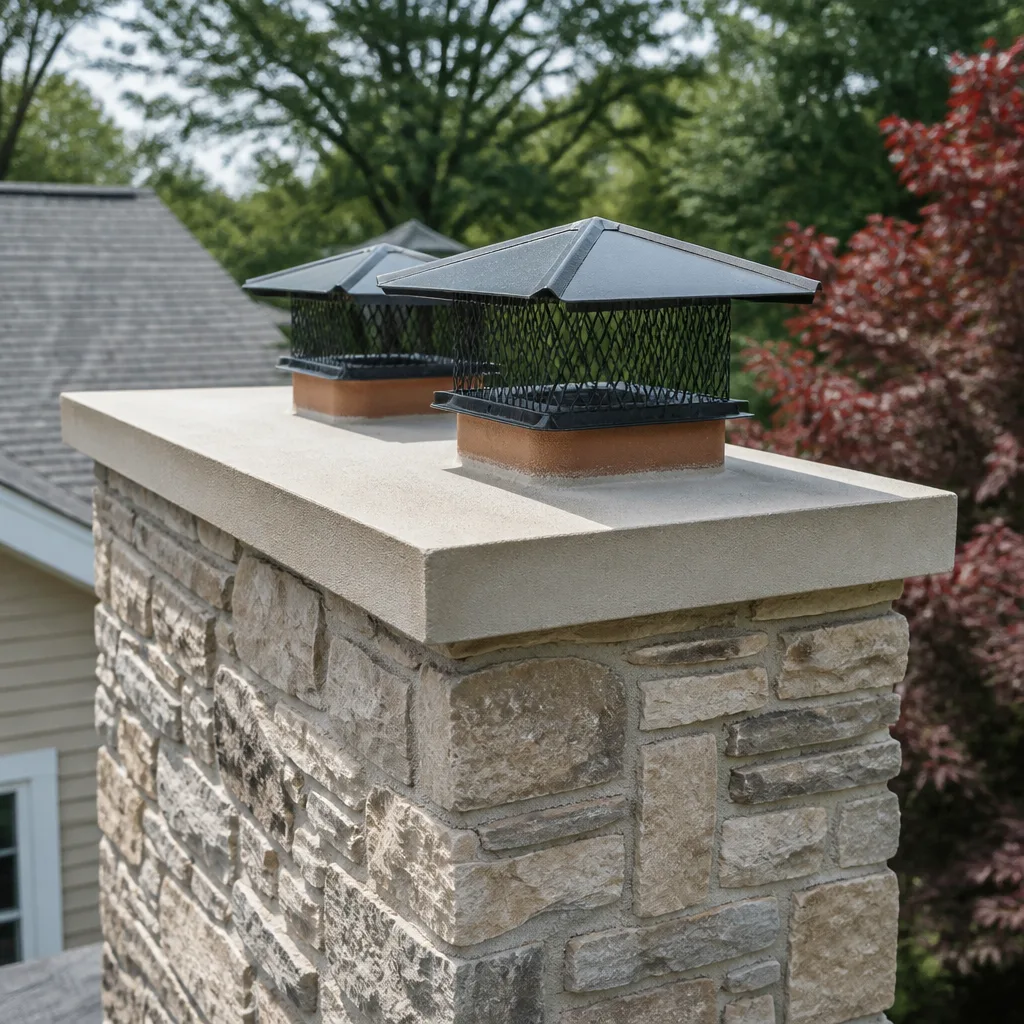 Caps & crowns
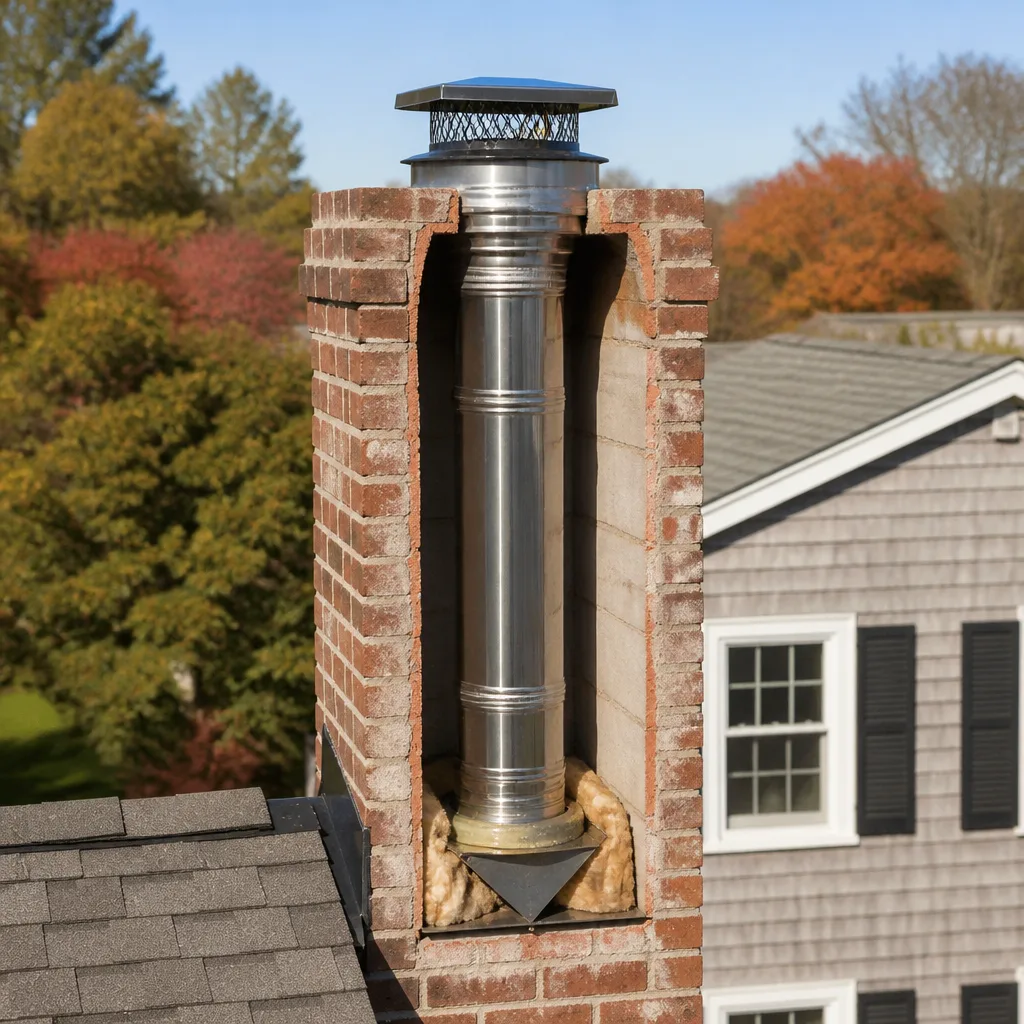 Flue relining
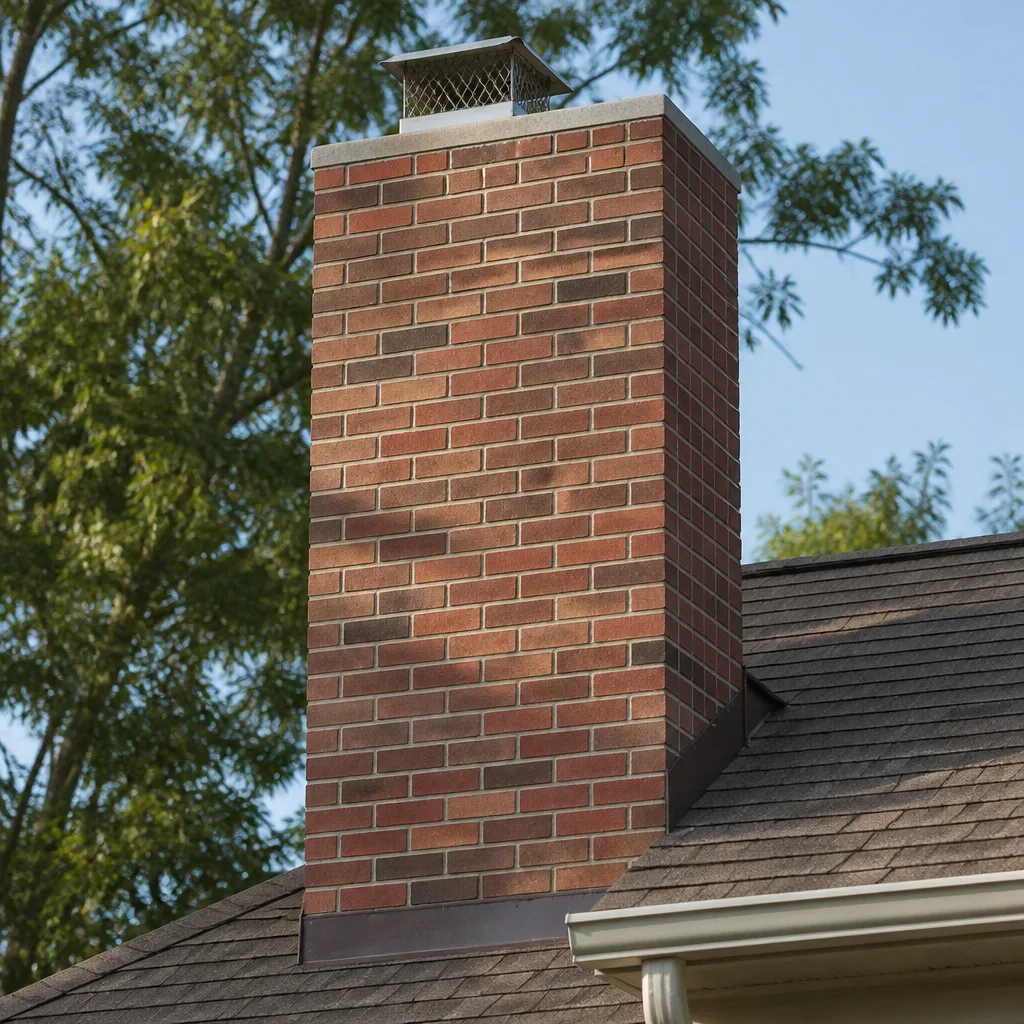 Masonry repair
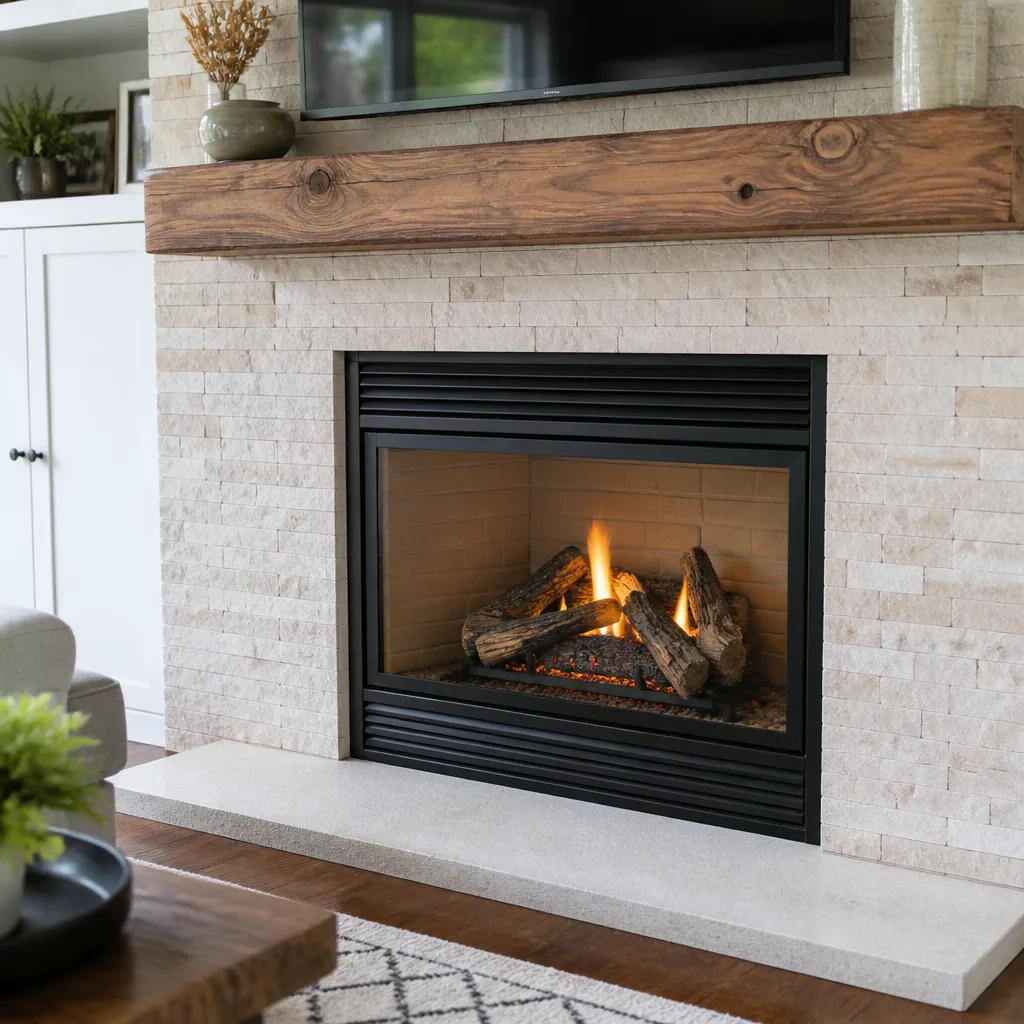 Gas fireplace service
Level 1 sweep and inspection to the NFPA 211 annual standard - flue, crown, cap, and flashing checked and photographed
Chimney sweep logs do not sweep chimneys. They loosen some creosote - which then falls where a brush and vacuum still have to collect it.
How to Hire a Chimney Cleaning Contractor in Taylorsville: A Step-by-Step Guide
Utah doesn’t require a state-issued license to clean a chimney. Anyone with a van and a set of brushes can legally be sweeping flues in Taylorsville tomorrow, which means the usual credential question (“are you licensed?”) tells you almost nothing here. The question that actually matters is different: what does their inspection cover, and what do they do when they find something wrong? A sweep who only brushes and leaves is not the same professional as one who can diagnose a cracked liner, resurface it, and source the right cap for the flue. This guide walks you through how to tell the two apart before any money changes hands, with the specific questions to ask and the answers that separate a full-service chimney specialist from a brush-and-go operation.
Quick Answer
To hire a chimney cleaning contractor in Taylorsville, ask three questions before you book: what does your inspection cover, what brands do you source for liner and crown work, and will you give me a written report after the job. A contractor who can answer all three clearly is a diagnostician. One who quotes a flat price over the phone before seeing the chimney, or who only offers brushing, is not equipped for anything beyond the surface. The written estimate and the written report are your two best filters.
Styles & brands we work with
- Sweep & inspection
- Caps & crowns
- Flue relining
- Masonry repair
- Gas fireplace service
Table of Contents
- Why Hiring a Chimney Contractor in Taylorsville Is Different
- Reading the Scope of Work From the First Phone Call
- Level 1 vs. Level 2 Inspection: What Your Contractor Should Explain
- Does CSIA Certification Matter?
- Pricing Red Flags: The Flat Quote Before the Assessment
- How to Verify Professional Chimney Materials, Not Hardware-Store Substitutes
- What a Written Report Should Contain After the Job
- Common Mistakes to Avoid
- When to Call a Professional
- Frequently Asked Questions
Why Hiring a Chimney Contractor in Taylorsville Is Different
Taylorsville sits in the Salt Lake Valley, which means several things for a chimney. Winters are cold and long enough that a wood-burning fireplace gets real use, not occasional decoration. The valley also traps inversions, so the smoke from a poorly drafting flue doesn’t just leave – it lingers over the neighborhood until the weather shifts. A chimney that drafts poorly in Taylorsville doesn’t just smell; it pushes combustion byproducts back into the house during the seasons when the windows are shut.
The housing stock matters too. Taylorsville has a wide mix of homes, from mid-century ranches to newer construction, and the older homes often have flues that were built to a different standard than what’s expected now. Some have offset flues, where the liner doesn’t run straight from the firebox to the top – a detail that rules out rigid relining and calls for a flexible system. Others have original clay tile that has cracked and spalled over decades of heating and cooling cycles. A contractor who only sweeps won’t find either problem, and one who doesn’t work with the right materials won’t be able to fix it.
The licensing gap makes all of this harder. Since the state doesn’t issue a chimney sweep license, homeowners in Taylorsville have to evaluate the contractor on the work itself: what the inspection covers, what the materials are, and whether there’s a written record. That’s the whole basis of this guide. The credential you’re checking isn’t a piece of paper – it’s the depth of the process.
One more local factor: the dry summer months and the freeze-thaw cycle of valley winters are hard on masonry. A crown that looks fine in July can develop hairline cracks by February, and those cracks let water into the chimney structure. When a contractor comes out to sweep, they should be looking at the crown, the cap, and the flashing while they’re up there. If the sweep never leaves the ground floor, the inspection isn’t complete.
Reading the Scope of Work From the First Phone Call
The initial phone call tells you more about a chimney contractor than most homeowners realize. It’s not about how friendly they sound or how fast they can book you – it’s about what they ask you and what they promise. A full-service contractor will want to know the age of the home, whether the fireplace is wood or gas, and whether you’ve had any drafting issues. A brush-and-go operation will ask for your address and quote you a price.
Here are the specific questions that reveal whether you’re talking to a sweep or a diagnostician:
- “What does your inspection actually cover?” A good answer includes the firebox, the damper, the smoke chamber, the flue, the crown, the cap, and the exterior flashing. A poor answer is “we run a brush through and check for blockages.”
- “Do you do a video scan of the flue?” A camera inspection shows the inside of the liner – cracks, gaps, missing mortar joints, and creosote glazing that a brush can’t reach. If they don’t offer one, they can’t see the most common failure points.
- “What happens if you find a cracked liner?” Listen for a specific answer. A specialist will talk about the condition of the tile, whether resurfacing is an option, and what a flexible liner system can do that a rigid one can’t. A generalist will say “we’d have to reline it” without explaining why or what with.
- “What brands do you work with for liner and crown materials?” The answer should name professional chimney-industry brands. If the response is vague (“we use good stuff”) or the names are hardware-store generic, the contractor isn’t sourcing from purpose-built supply channels.
- “Will I get a written report?” A specialist says yes without hesitation. A sweep who plans to brush and leave will hedge.
You don’t have to ask all five in one call. Two or three are enough to get a read. The contractor who can answer the liner question without pausing is the one who does liner work. The one who can’t is the one who doesn’t.
Level 1 vs. Level 2 Inspection: What Your Contractor Should Explain
The chimney industry recognizes three levels of inspection, and a contractor who can explain the difference without prompting is signaling that they’ve been trained to a standard rather than improvising. Here’s the short version you can hold them to.
A Level 1 inspection is the basic visual check that comes with a routine sweep. The contractor looks at all accessible parts of the chimney and venting system – firebox, damper, flue from the top and bottom, crown, cap – without any tools that would open up the system. It’s the right level for a chimney that’s in known good condition and being used normally.
A Level 2 inspection goes further. It includes everything in a Level 1 plus a video scan of the flue interior, and it’s the level you want when something has changed: a new appliance connected, a change in fuel type, a chimney that’s been through a fire, a home you’ve just bought, or a persistent drafting problem. The video scan is what catches a cracked tile or a gap in the liner that a visual check from the firebox can’t see.
A Level 3 inspection is diagnostic and may involve opening walls or removing parts of the chimney to access a problem area. It’s rare, but it’s the right level when a Level 2 finds something that can’t be explained from the accessible parts.
When you talk to a contractor in Taylorsville, ask which level they plan to do and why. If the answer is “we just do a standard inspection” without explaining what that means, you’re talking to someone who hasn’t internalized the framework. If they ask you about the home’s history and recommend a Level 2 because you just bought the place, that’s a good sign. The inspection level should match the situation, not a fixed script.
For a routine annual chimney sweep, a Level 1 is usually adequate. For a home you’ve recently purchased or a chimney you’ve never had looked at, a Level 2 is the safer choice. Ask the contractor to walk you through the camera footage when they’re done – a specialist will be glad to.
Does CSIA Certification Matter?
CSIA certification matters, but not in the way most homeowners assume. The Chimney Safety Institute of America is a real credentialing body, and a certified sweep has passed a test and agreed to a code of ethics. That’s worth something. But certification alone doesn’t tell you whether the contractor can do liner work, crown repair, or cap installation – it tells you they’ve met a baseline for sweeping and inspection.
In Utah, where no state license is required, CSIA certification is one of the few third-party signals available. So it’s worth checking. But here’s the catch: the certification question is easy to game in conversation. A contractor can say “we’re certified” and a homeowner has no way to verify it on the spot. The question that actually reveals competence is whether they can explain the inspection levels and the material choices without prompting. A certified contractor who can’t explain a Level 2 is less useful than an uncertified one who can – though in practice, the contractors who can explain it well are usually the ones who pursued certification in the first place.
What we look for when evaluating a chimney contractor in Taylorsville:
- Can they explain the difference between a Level 1 and Level 2 inspection without being prompted?
- Do they mention a video scan as part of their process, or only when asked?
- Do they name specific professional brands when talking about liner and crown materials, or do they stay vague?
- Do they offer a written report, and can they describe what’s in it?
- Do they ask about your home’s history before quoting a price?
Certification is a good tiebreaker. The process questions are the real test. If a contractor passes the process questions and happens to be certified, that’s the combination you want. If they’re certified but can’t explain their inspection protocol, the certification isn’t doing much work.
Pricing Red Flags: The Flat Quote Before the Assessment
The single biggest red flag in chimney contractor pricing is a flat-rate quote issued before anyone has looked at the chimney. A sweep who quotes you a price over the phone, sight unseen, is telling you something important: their inspection isn’t going to find anything, because the price is already locked. That’s fine for a basic brush-and-go, but it’s a problem if there’s anything wrong in the flue that needs diagnosing.
Here’s why. A chimney sweep’s job isn’t just to remove creosote – it’s to assess the condition of the system. A flat price quoted before the assessment means the assessment has already been priced out of the job. The contractor has no incentive to look carefully, because finding a problem would mean changing the price they already quoted. In practice, the careful contractors price after they’ve seen the chimney, or they price a sweep and a separate inspection so the homeowner knows what each part costs.
Other pricing patterns worth noticing:
- A price that’s dramatically lower than everyone else’s. The sweep may be planning to upsell you on repairs once they’re inside, or they may be skipping the inspection entirely. Either way, the low price isn’t the whole price.
- A price that includes “free” repairs or add-ons. If a flat rate includes a cap, a liner treatment, or anything else without seeing the chimney, the math doesn’t work. Something is being compressed.
- No written estimate before work begins. A written estimate protects you. A verbal price and a handshake doesn’t, especially when the scope changes mid-job.
- A quote that doesn’t break out the inspection from the sweep. A full-service contractor can tell you what each part costs. A brush-and-go operation can’t, because there’s only one part.
The right sequence is: they look at the chimney, they tell you what they found, they give you a written estimate for whatever needs doing, and you decide. If the estimate is for a sweep only, that’s a legitimate outcome. If it includes repair work, the estimate should explain why and show you the evidence. Nothing is recommended without camera evidence you can see for yourself, and if the work can safely wait until next season, a good contractor will say so. The final price is set by the written estimate – not by a number quoted before anyone looked.
How to Verify Professional Chimney Materials, Not Hardware-Store Substitutes
The materials question is where the gap between a specialist and a generalist gets widest. Chimney liners, caps, and crown materials are not general-purpose hardware. They’re engineered to specific dimensions, draft standards, and temperature ratings, and the difference between a purpose-built product and a hardware-store substitute isn’t cosmetic – it’s whether the system works the way it’s supposed to.
When a contractor talks about liner or crown repair, listen for brand names that belong to the chimney industry. HeatShield is a ceramic resurfacing system applied to damaged liner sections; it’s a proprietary product that requires trained application, and it’s often the difference between restoring a liner and replacing it entirely. DuraFlex makes flexible liner systems designed for older homes with offset or non-standard flues – the kind that rigid liners can’t navigate. Famco and Gelco make caps and ventilation hardware to chimney-specific dimensions and draft standards. Olympia Chimney is another name you’ll hear in professional liner and venting work.
Here’s how to verify the contractor sources from those channels:
- Ask what brand they’ll use for the repair. A specialist names a product. A generalist says “a liner” or “a cap” without a brand, because they’re buying generic.
- Ask why that brand. A trained contractor can explain the application – why a flexible liner fits an offset flue, why a ceramic resurfacing product is appropriate for a particular section of damage, why a cap has to match the flue dimensions.
- Ask whether the product is rated for the application. Chimney products carry application-specific ratings. If the contractor can’t tell you what the product is rated for, they may be improvising.
- Ask about the warranty on the materials. Purpose-built products carry manufacturer warranties. Hardware-store substitutes usually don’t, or they’re void the moment they’re used outside their intended application.
This is where “restore before you replace” becomes a real option. A HeatShield resurfacing can restore a damaged liner section without a full reline, which is structurally sound and often less expensive than replacing the whole liner. But it only works if the contractor has access to the product and the training to apply it. A generalist with a hardware-store liner can only offer replacement, because that’s all they can source.
For the homeowner, the takeaway is simpler: when a contractor recommends liner or crown work, ask what product and why. The answer tells you whether they’re a full-lifecycle chimney specialist or a generalist improvising with whatever’s at the supply house.
What a Written Report Should Contain After the Job
A contractor who won’t put the findings in writing is not a full-lifecycle specialist. That’s the simplest way to say it. The written report is the record of what was found, what was done, and what needs watching – and it’s the thing you’ll rely on if a problem develops or if you sell the home.
Here’s what a complete report should contain:
- The inspection level performed. Level 1, 2, or 3, and why that level was appropriate.
- What was inspected. Firebox, damper, smoke chamber, flue, crown, cap, and flashing, listed explicitly. If a component wasn’t inspected, the report should say so.
- The condition of each component. Not just “good” or “bad” – specific observations. Hairline cracks in the crown. Creosote glaze in the upper flue. A damper that doesn’t seat fully.
- Photos or video stills. A camera scan should produce images the homeowner can see. The report should include them, not just describe them.
- What was cleaned and how. The sweep method, any creosote removed, and the condition of the flue after cleaning.
- What was repaired, and with what materials. Brand names, product types, and the reason for the choice.
- What needs watching. A component that’s not failing yet but should be checked again next season. A crown that will need rebuilding in a few years. A liner that’s showing early wear.
- The written estimate for any recommended work. If something needs doing, the price is documented, not verbal.
The “what needs watching” section is the mark of a contractor who’s thinking about the whole system over time, not just the job in front of them. A specialist will tell you when work can safely wait. A generalist will either not mention it or push for the work now. In Taylorsville, where the freeze-thaw cycle is hard on masonry, knowing what’s marginal and what’s failing is genuinely useful – it lets you plan, rather than react.
Ask for the report before you book. Ask what’s in it. A specialist will describe it in detail. A brush-and-go operation will change the subject.
Common Mistakes to Avoid
- Booking on price alone. The cheapest sweep in Taylorsville is often the one who skips the inspection, because the inspection is what costs time. You’re paying for a brush through the flue, not a diagnosis, and the problems that matter are the ones a brush doesn’t find.
- Assuming a license check is the whole story. Utah doesn’t license chimney sweeps, so “are you licensed?” gets a yes from everyone. The question that separates contractors is what the inspection covers.
- Accepting a flat quote before anyone looks at the chimney. A price issued sight unseen means the assessment is already priced out of the job. Ask for the price after the inspection, in writing.
- Not asking about the camera scan. A flue interior can’t be seen from the firebox. If the contractor doesn’t do a video scan, they can’t tell you the condition of the liner, and that’s where the expensive problems hide.
- Skipping the materials question. A cap that doesn’t match the flue dimensions or a liner that isn’t rated for the application will cause problems down the road. Ask what brand, and why.
- Not asking for a written report. A verbal “all good” is not a record. Without a written report, you have no baseline for next year and no evidence if a problem develops.
- Treating a wood-burning fireplace as maintenance-free. Creosote builds up with use, and in a cold-winter climate like Taylorsville’s, the fireplace gets real use. An annual sweep and inspection is the baseline, not an option.
When to Call a Professional
Some chimney situations can wait for the annual sweep. Others shouldn’t. Call a professional now if you smell smoke in the house when the fireplace is running, if the fire doesn’t draw well, if you see creosote buildup on the firebox walls, if the damper doesn’t open or close smoothly, or if you’ve had a chimney fire – even a small one. Call if the crown has visible cracks, if the cap is missing or damaged, or if water is getting into the chimney structure. And call if you’ve just bought a home in Taylorsville and don’t know when the chimney was last inspected – a Level 2 inspection will tell you what you’re working with.
If it’s been more than a year since the last sweep, that’s reason enough. Creosote accumulates with every fire, and the longer it sits, the harder it is to remove and the more it restricts draft. A chimney repair that could have been a simple crown patch can become a rebuild if water gets in and freezes. The earlier the inspection, the more options you have.
Taylorsville Chimney Sweep offers free estimates in Taylorsville – call (833) 513-8777. We answer 24/7. Fast dispatch from 7am to 7pm, Sunday through Friday. We start with a full evaluation of your chimney system – firebox, damper, smoke chamber, flue, crown, cap, and flashing – and we show you what we find, on camera, before we recommend anything. Nothing is recommended without evidence you can see for yourself, and if the work can safely wait, we’ll tell you so.
Frequently Asked Questions
A routine chimney sweep in Taylorsville is typically priced per job by a written estimate, based on the condition of the flue, the creosote level, and whether a Level 2 camera inspection is included. The estimate is free and sets the final price – there’s no flat quote issued before anyone looks at the chimney. Call (833) 513-8777 for an exact quote.
Not always. A cracked or damaged liner section can often be restored with a ceramic resurfacing system rather than replaced entirely, depending on the extent and location of the damage. The only way to know which applies is a camera inspection of the flue interior. We show you the footage and explain the options before recommending relining. Call (833) 513-8777 for a free estimate.
Once a year is the baseline for a wood-burning fireplace, and it’s the right schedule for most homes in Taylorsville that use their fireplace through the winter. A gas fireplace may need less frequent sweeping but still needs an annual inspection, because the venting system can develop problems that don’t involve creosote. If you burn heavily or notice drafting issues, call for an inspection sooner.
No. Utah doesn’t require a state license or CSIA certification to clean chimneys, which is why the certification question alone doesn’t tell you much. What matters more is whether the contractor can explain their inspection protocol – the difference between a Level 1 and Level 2 inspection, when a camera scan is needed, and what happens if they find a problem. Call (833) 513-8777 and we’ll walk you through our process.
Because the flue interior can’t be seen from the firebox, and that’s where the most common failures – cracked tiles, gaps in the liner, glazed creosote – are found. A camera scan is part of a Level 2 inspection and it’s how a contractor moves from sweeping to diagnosing. If a contractor doesn’t offer one, they can’t tell you the true condition of your liner. Call (833) 513-8777 for an inspection that includes one.
Creosote accumulates with every fire, and beyond a certain point it restricts draft and raises the risk of a chimney fire. In Taylorsville’s cold winters, a fireplace that gets real use builds creosote faster than one used occasionally. Skipping a year doesn’t cause a problem overnight, but skipping several years lets a small issue become a structural one. Call (833) 513-8777 to book a sweep before the burning season starts.
The Bottom Line
Hiring a chimney contractor in Taylorsville comes down to evaluating the work, not the credentials, because the credentials don’t exist in the way they do in licensed trades. Ask what the inspection covers. Ask about the camera scan. Ask what brands they source for liner and crown work. Ask for a written report. A contractor who can answer all four is a full-lifecycle specialist who can handle everything from a routine Taylorsville Chimney Sweep visit through liner restoration and crown repair. One who can’t is a brush-and-go operation, and your chimney deserves better than that. If you’d rather talk it through, call (833) 513-8777 – the estimate is free, and we’ll show you what we find before we recommend anything.
Written by the team at Taylorsville Chimney Sweep.
See the difference
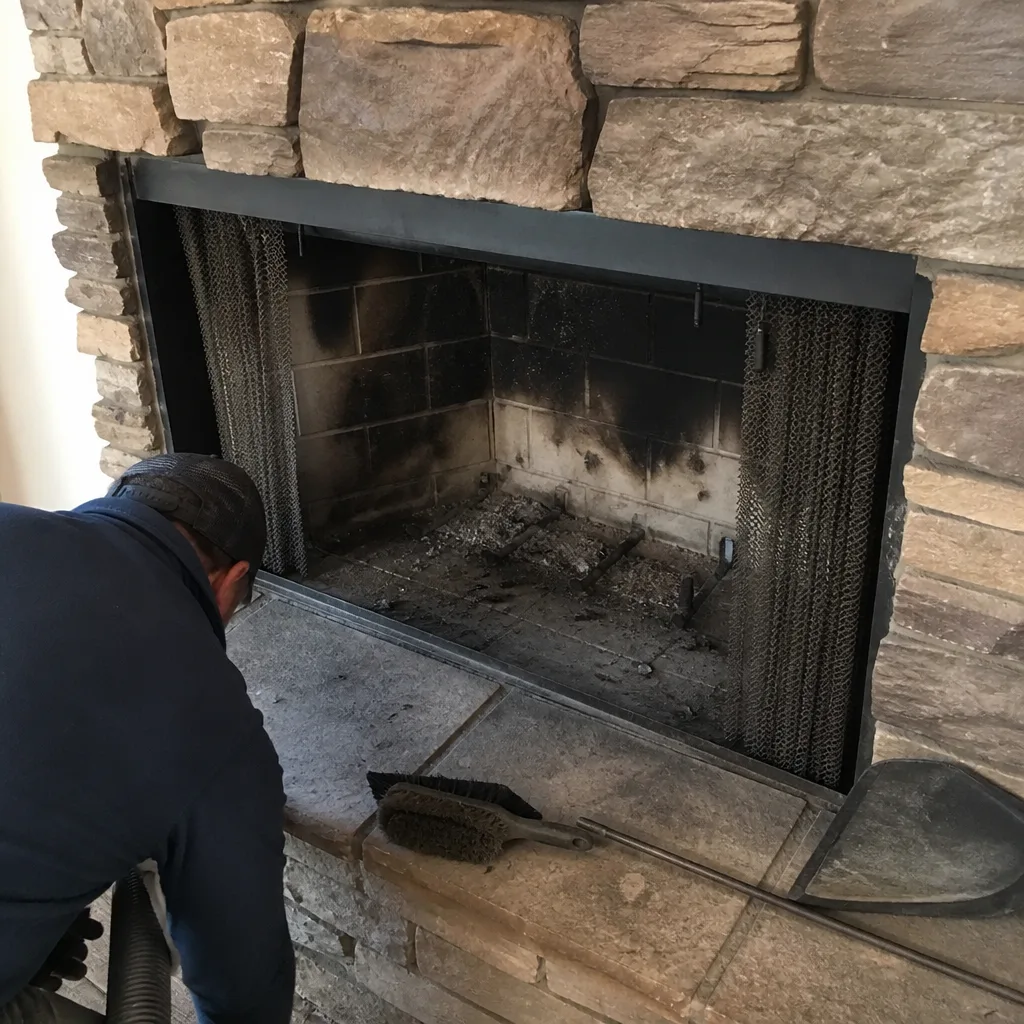 Before
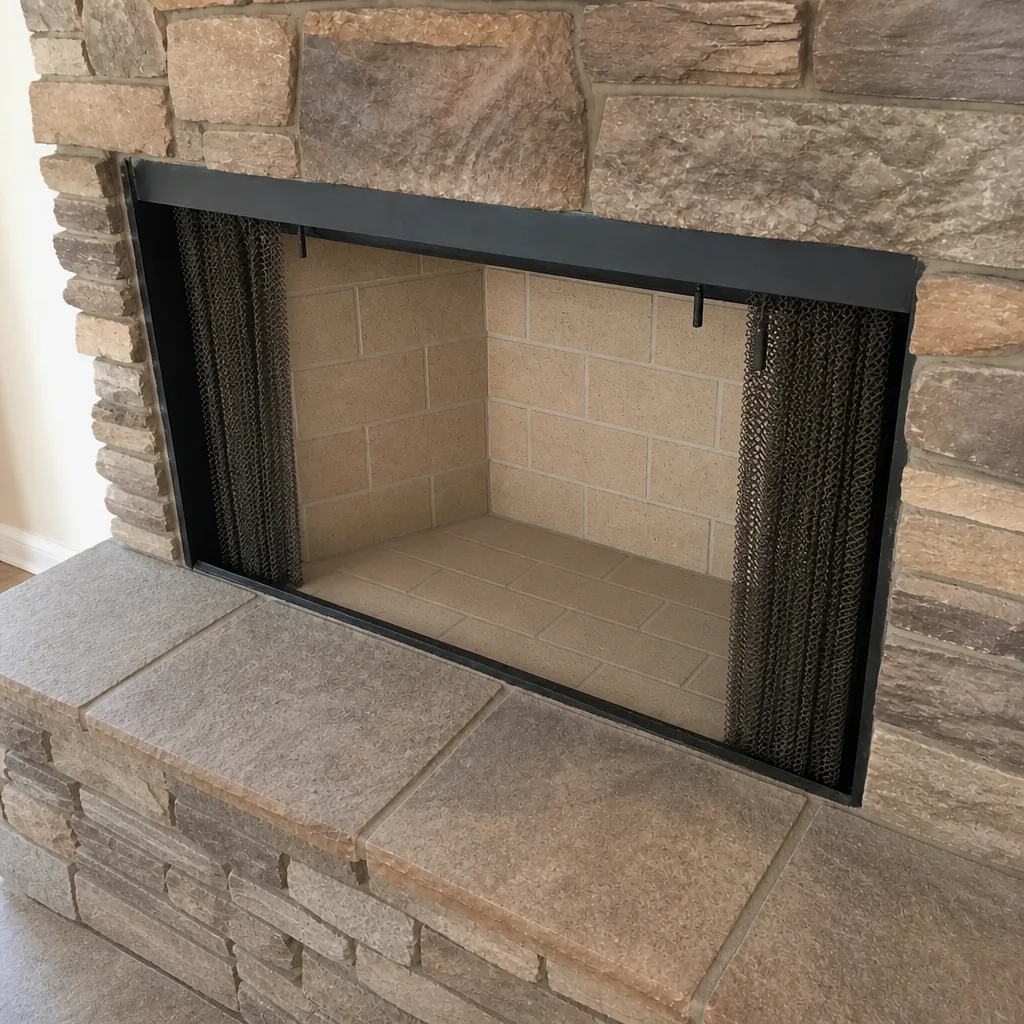 After
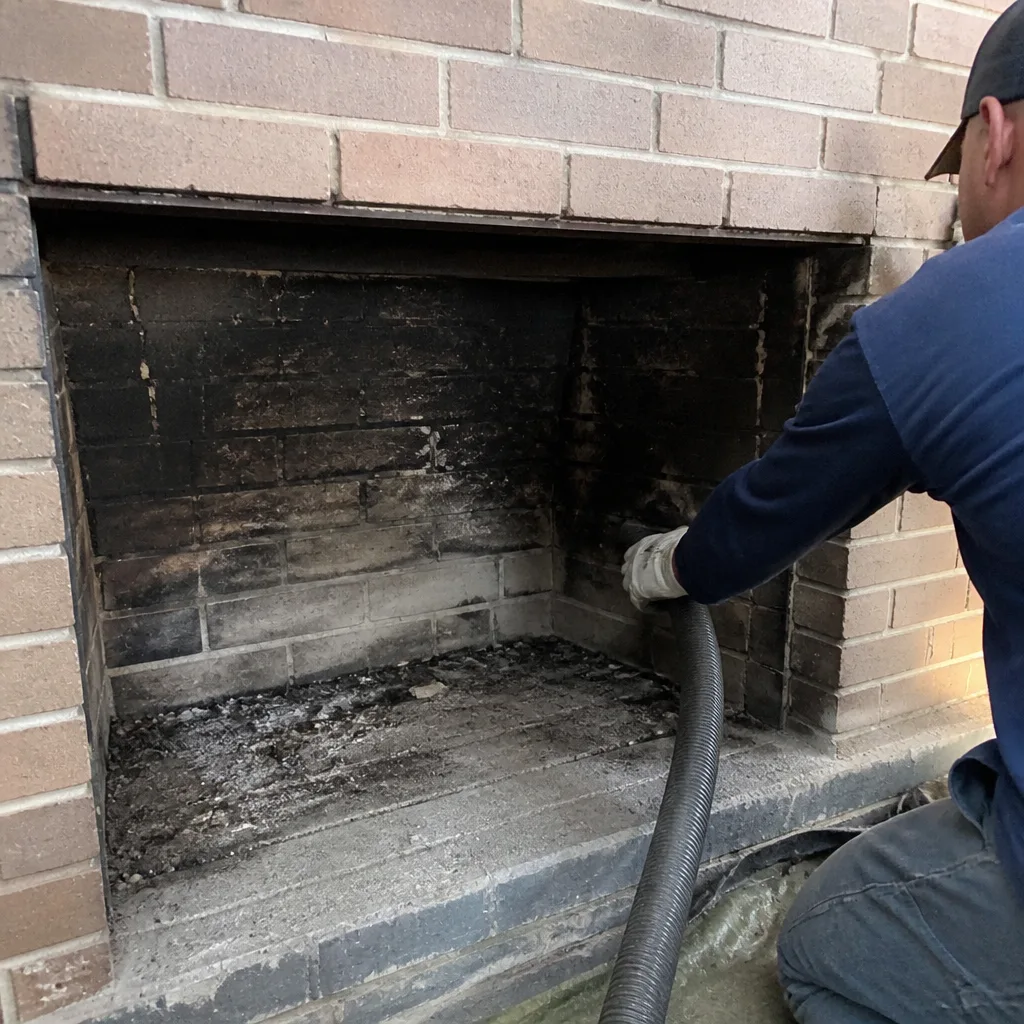 Before
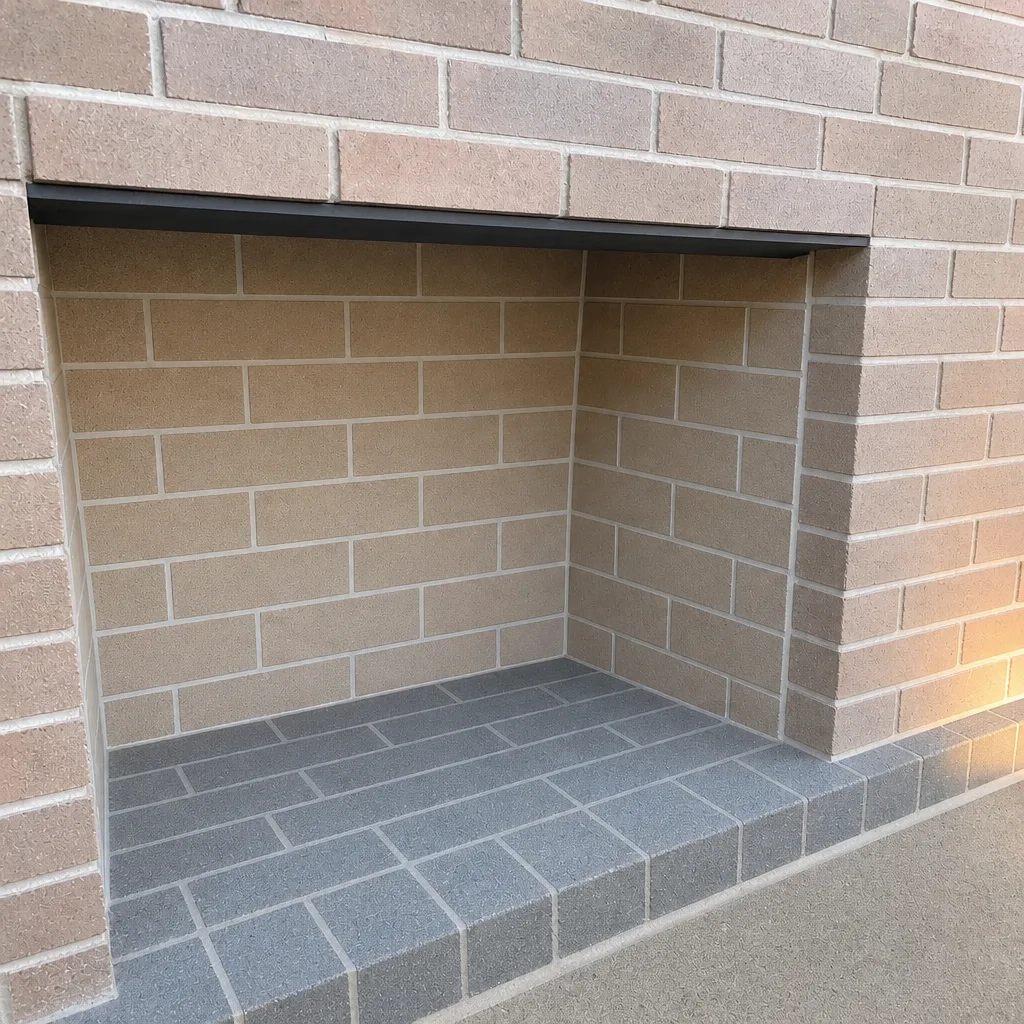 After
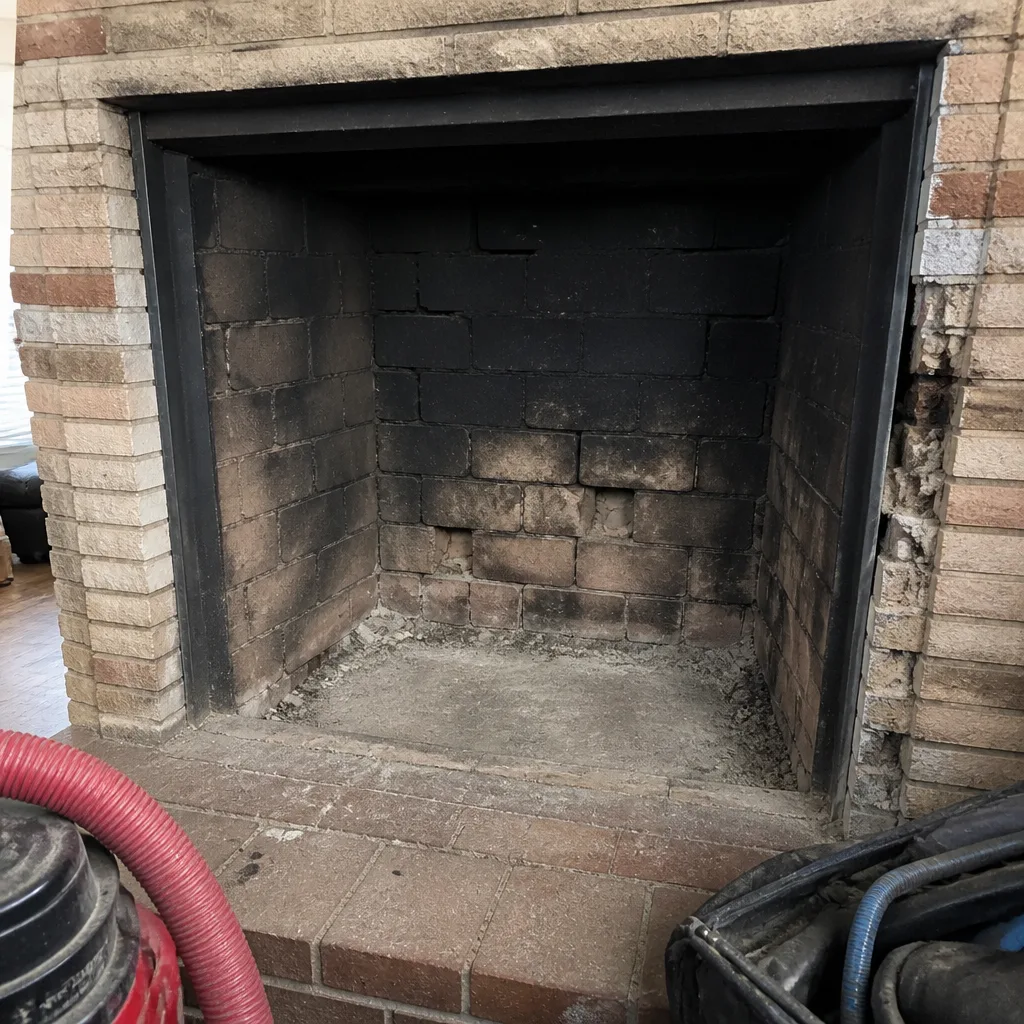 Before
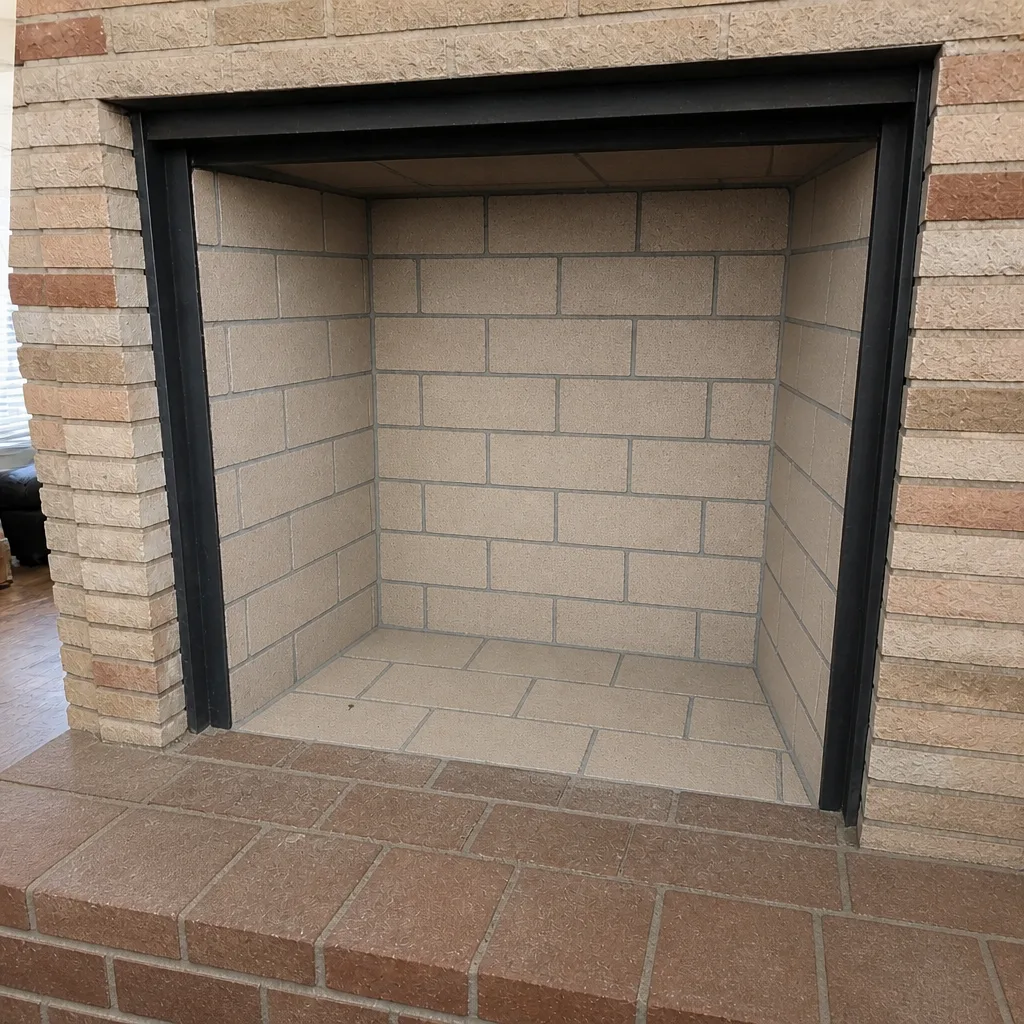 After